Welcome to SEPLOS
Sign in to access product documents, firmware, manuals and technical resources.
New to SEPLOS?
Create an Account
Sign in to access product documents, firmware, manuals and technical resources.
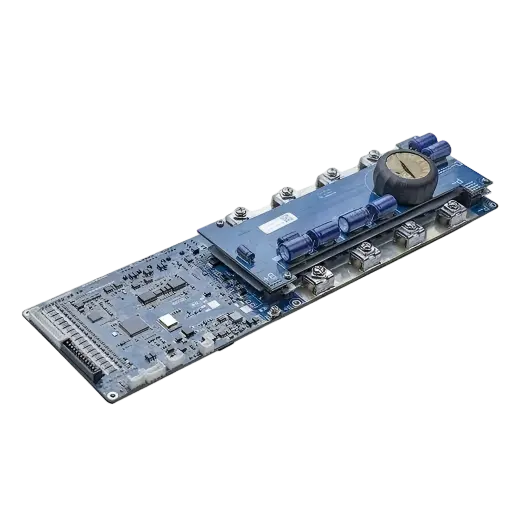
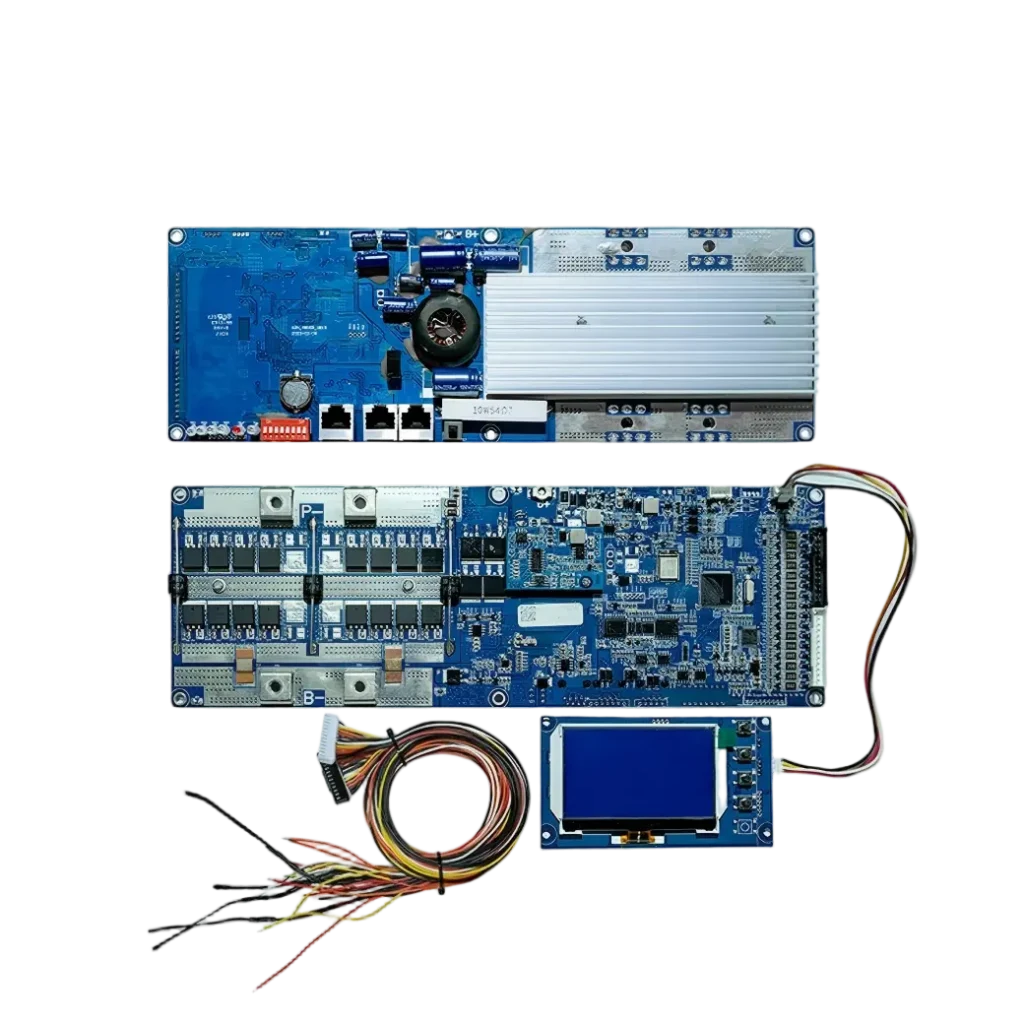
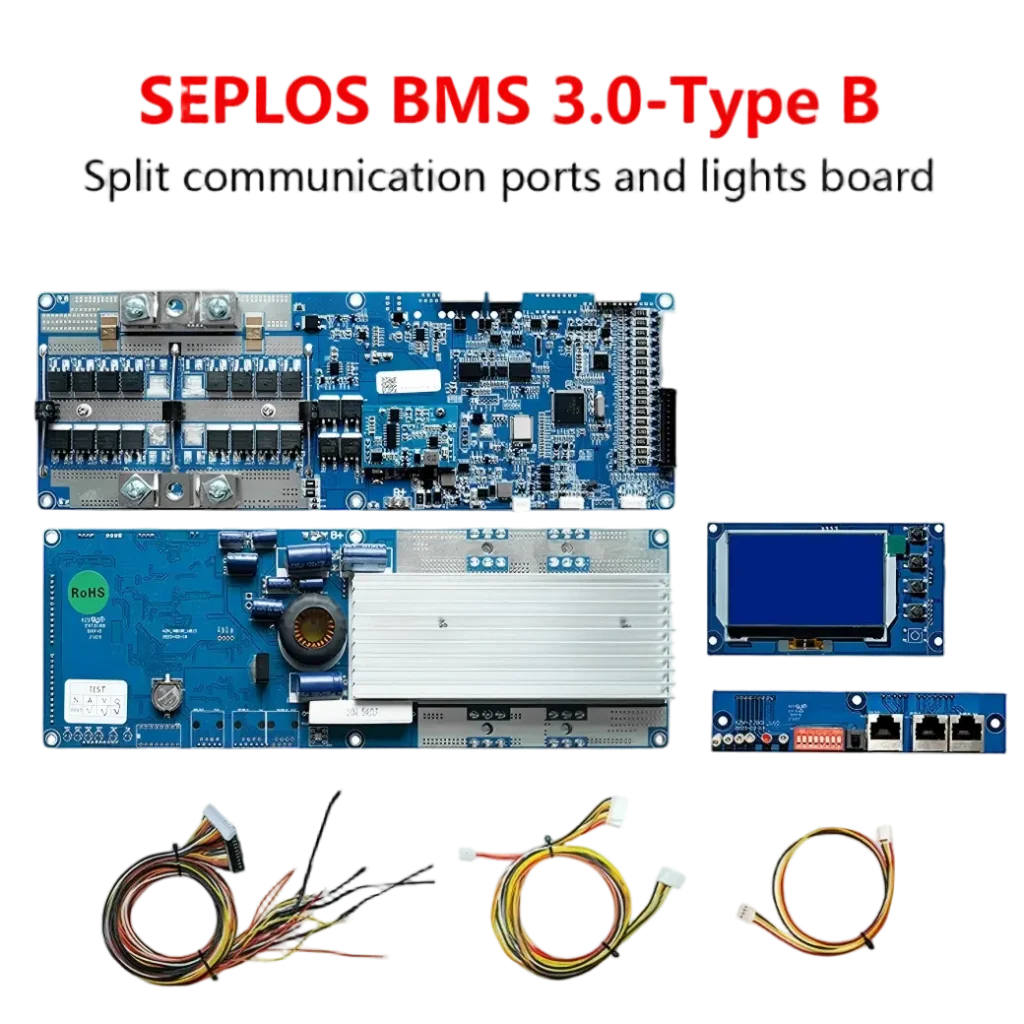
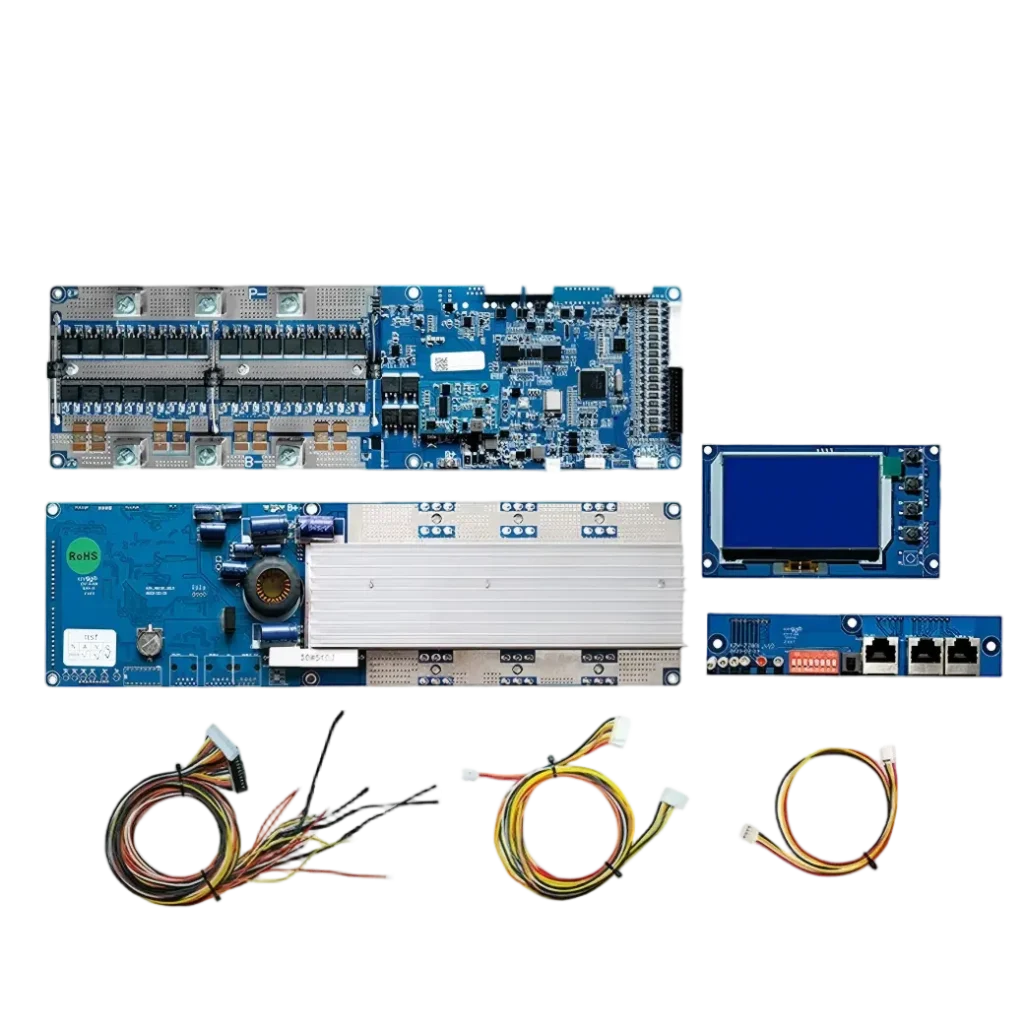
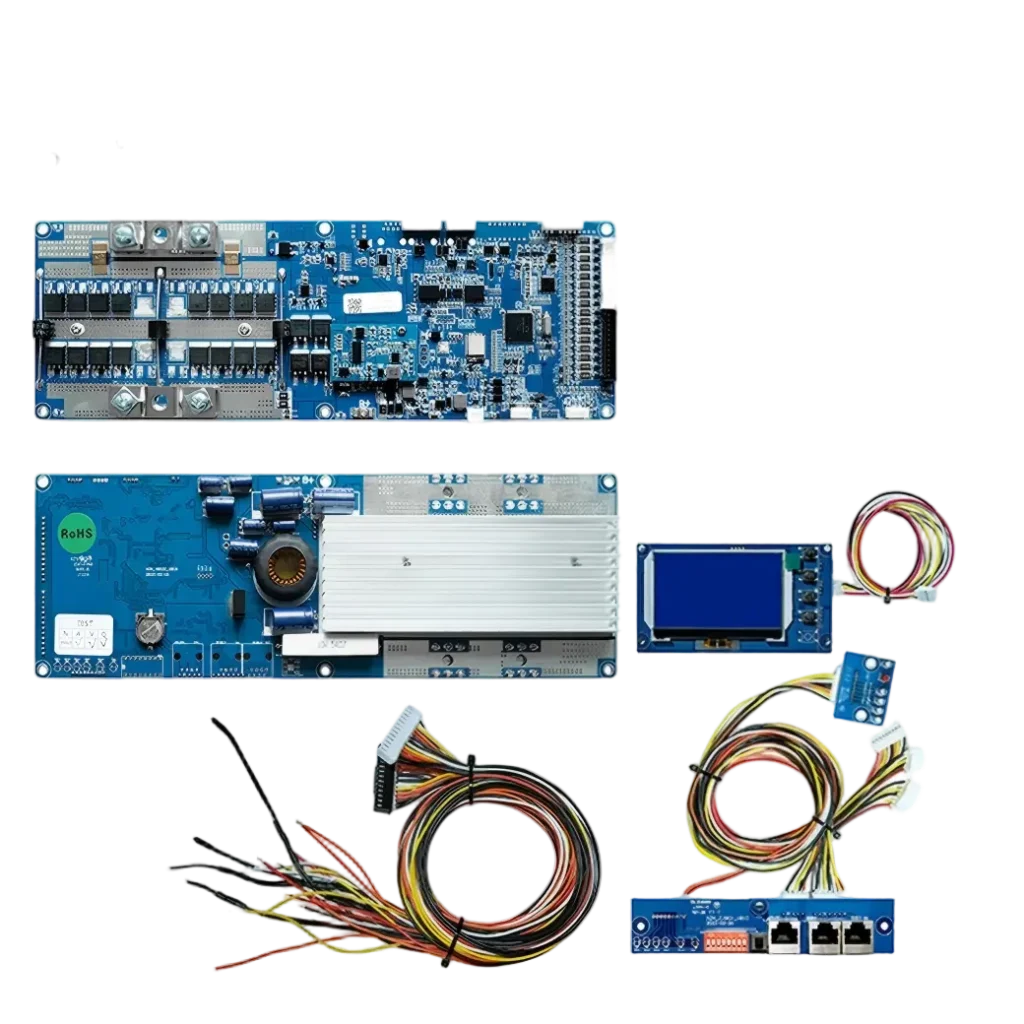
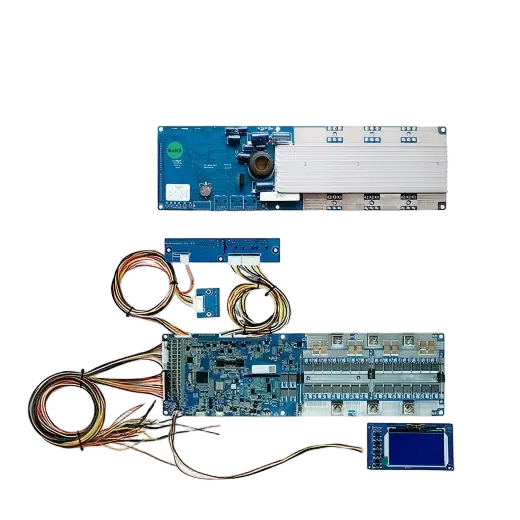
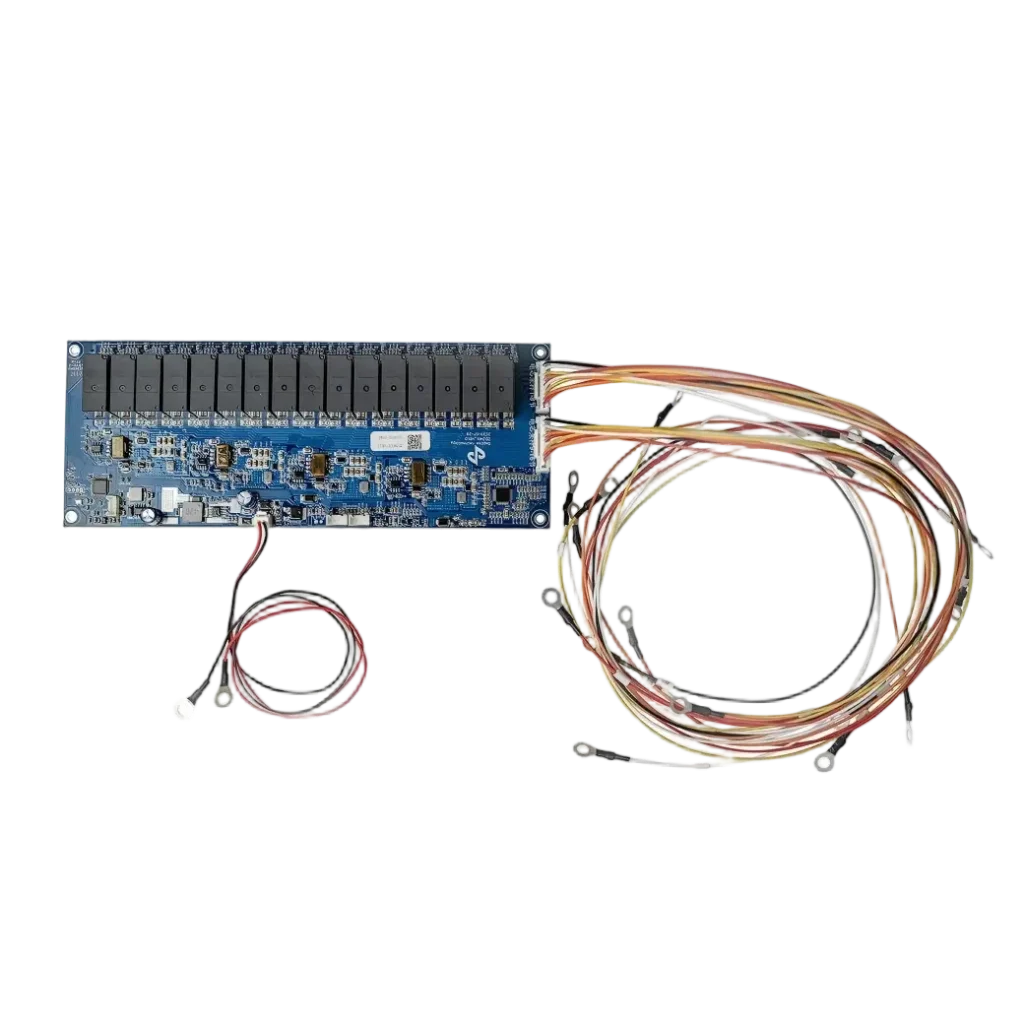
Explore Seplos smart BMS solutions for 48V and high-voltage LiFePO4 energy storage batteries, with cell monitoring, protection, balancing and system communication functions.
A LiFePO4 battery management system (BMS) monitors and protects the cells inside a lithium iron phosphate battery pack. It tracks operating conditions such as cell voltage, current and temperature, manages charge and discharge protection, supports cell balancing, and helps coordinate the battery with other energy storage components. The correct BMS should match the battery voltage, cell configuration, current requirements and application. For complete battery storage configurations, explore our energy storage systems.
A battery management system monitors individual cells and battery operating conditions so that charging and discharging remain within the limits defined for the battery system. Depending on the BMS design, protection functions can include over-voltage, under-voltage, over-current, short-circuit and temperature protection. Cell balancing helps reduce voltage differences between cells so the battery pack can operate more consistently.
Start by confirming the battery chemistry, series cell count, nominal and maximum voltage, required continuous charge and discharge current, inverter or charger requirements, communication needs, and operating environment. The BMS current rating should be selected according to the actual system load rather than battery capacity alone. Compatibility should be confirmed before installation or replacement. If you are selecting the battery cells together with the BMS, explore our LiFePO4 battery cells.
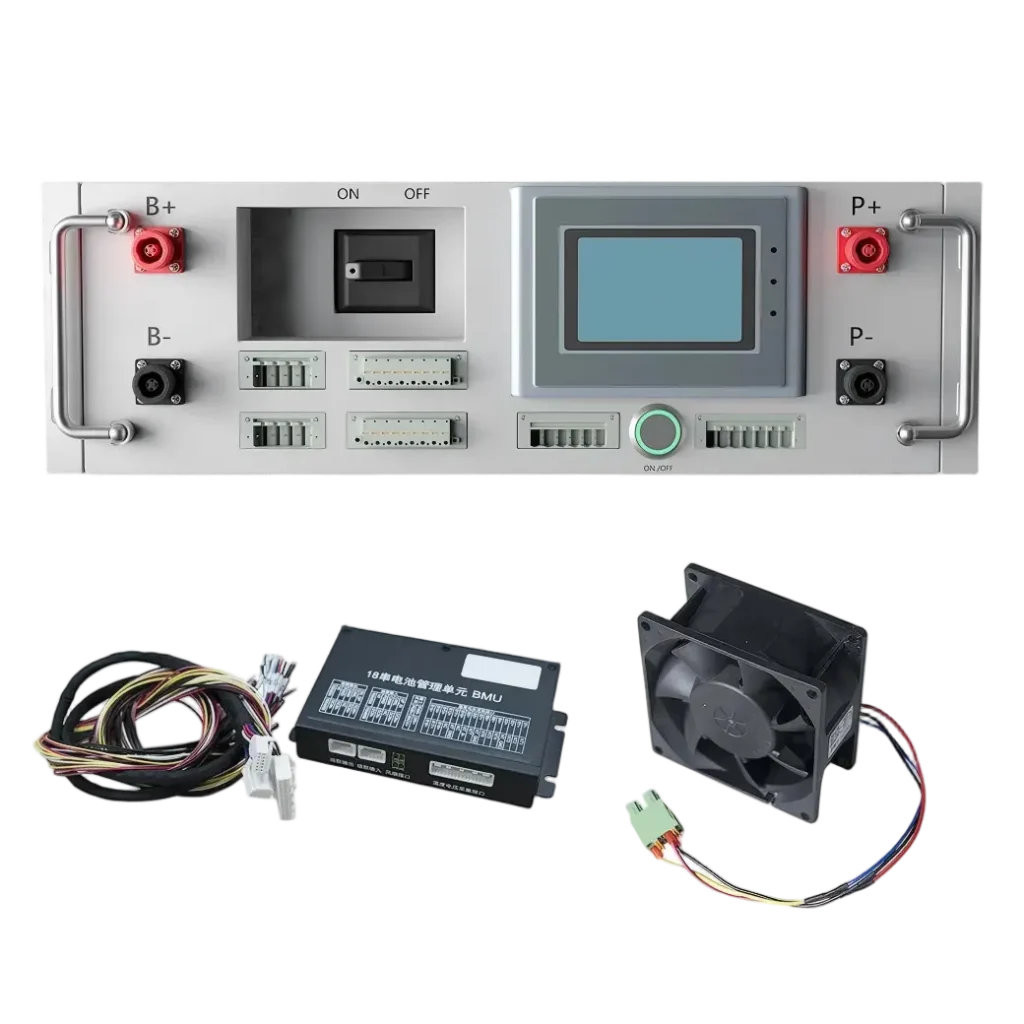
Seplos provides BMS solutions for 48V LiFePO4 battery storage as well as high-voltage energy storage applications. Low-voltage and high-voltage systems use different battery architectures, control requirements and system interfaces, so the BMS must be selected according to the complete battery and energy storage design rather than voltage alone.
Seplos provides software, monitoring tools, apps, firmware and technical documents for supported BMS products. Software and firmware requirements depend on the BMS model and hardware version, so always select the correct resource before connecting or updating a system.
Visit the Seplos Download Center for BMS software, apps, firmware and manuals.
A LiFePO4 BMS monitors battery cells and operating conditions, manages protection functions, supports cell balancing, and helps control safe charging and discharging within the limits defined for the battery system.
The BMS current rating should match the maximum continuous charge and discharge current required by the system, with consideration for the battery voltage, inverter or load power, cell configuration, and application. Battery capacity in Ah alone does not determine the required BMS current.
A 48V BMS is designed for low-voltage battery architectures commonly used in residential and smaller storage systems. High-voltage BMS solutions manage battery systems with higher overall operating voltages and typically require different control, communication, and system architectures.
Yes, compatible BMS designs can support cell balancing to reduce voltage differences between cells. The balancing method and current depend on the specific BMS model and whether passive or active balancing is used.
Communication compatibility depends on the BMS model, inverter brand and model, communication protocol, and system configuration. Provide the inverter information before ordering so compatibility can be reviewed.
Seplos BMS software, monitoring tools, compatible apps, firmware and technical documents are available through the Seplos Download Center. Always confirm the BMS model and hardware version before using firmware or software resources.
Share your battery voltage, series cell count, required charge and discharge current, inverter or charger model, and communication requirements. The Seplos team can help review compatibility and recommend a suitable BMS configuration.
Your project information will only be used to evaluate your inquiry and provide relevant product or technical support.