What Is an Energy Storage System (ESS)?
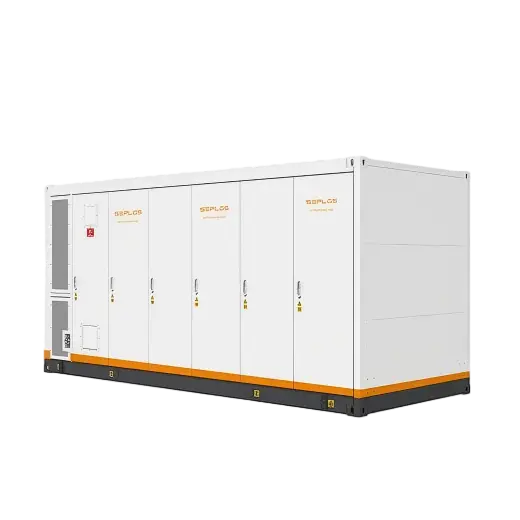
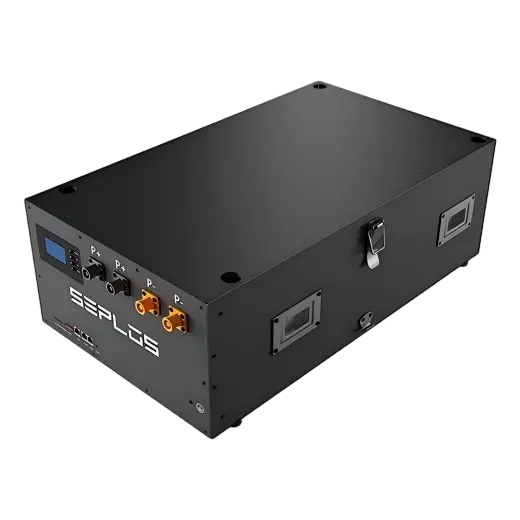
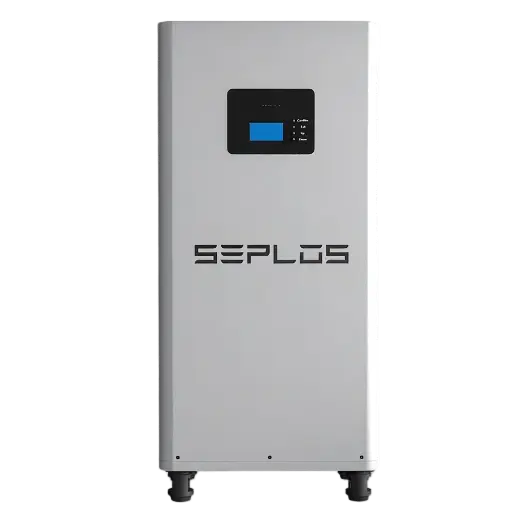
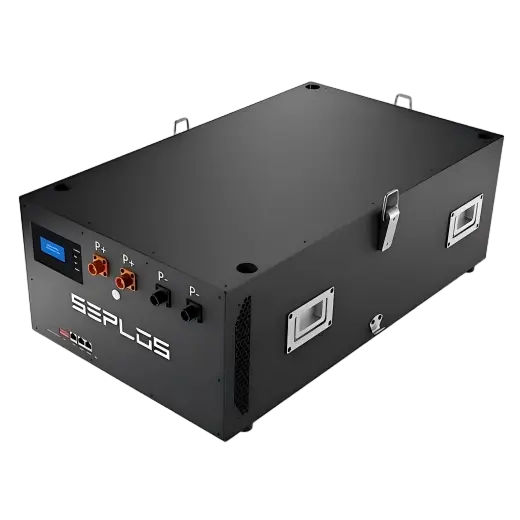
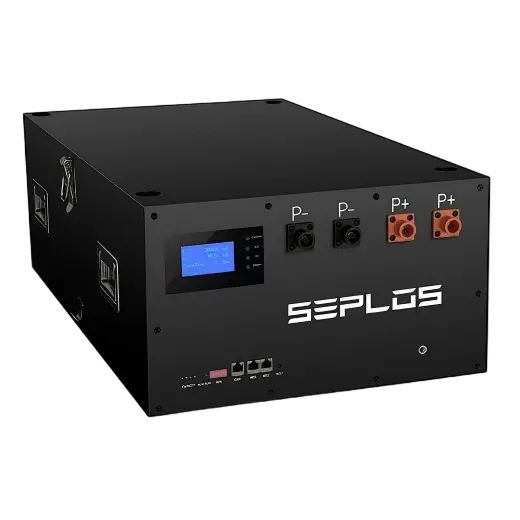
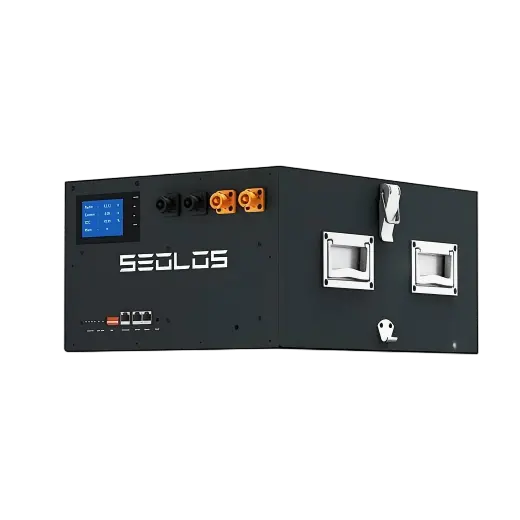
An energy storage system (ESS) stores electricity from solar PV, the grid, or other energy sources and supplies it when demand increases, renewable generation decreases, or backup power is required. A battery energy storage system combines battery modules with a BMS, inverter or power conversion system, monitoring, protection, and other system components to manage energy safely and efficiently.
How Does a Battery Energy Storage System Work?
During charging, electricity is stored in the battery system for later use. When power is required, the stored energy is discharged through the inverter or power conversion system to supply connected loads or support the grid. The BMS monitors battery voltage, temperature, current, and operating conditions, while system controls coordinate charging, discharging, and energy use.
Energy Storage for Residential and Commercial Applications
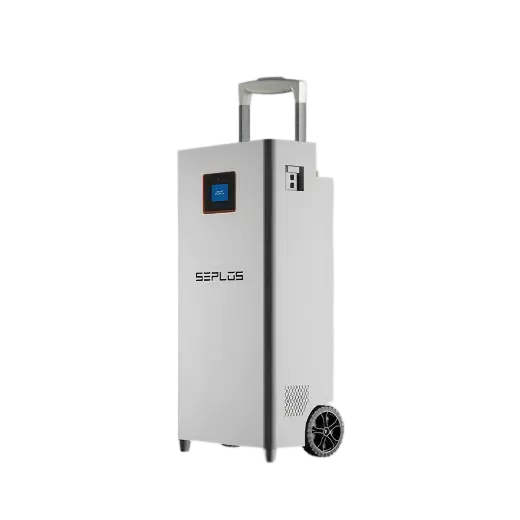
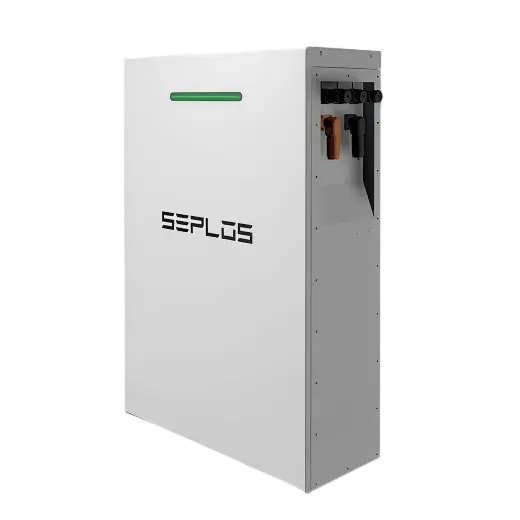
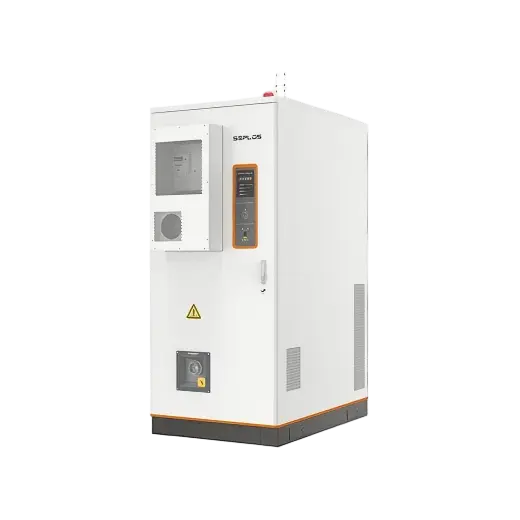
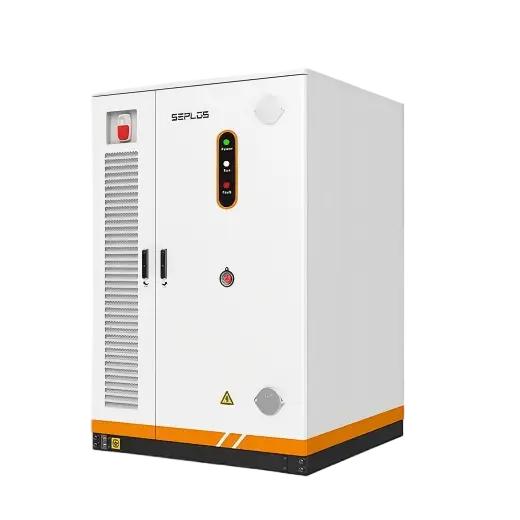
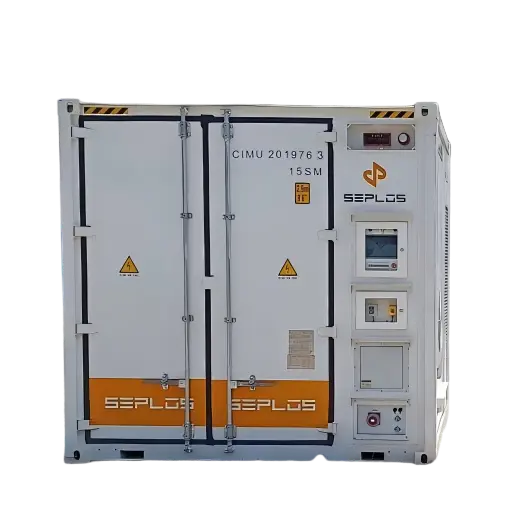
Residential energy storage can support solar self-consumption, backup power, and greater energy independence. Commercial and industrial energy storage systems can support peak-load management, backup power, microgrids, renewable energy integration, and other site-specific energy requirements. Seplos offers low-voltage and high-voltage ESS platforms for different project scales.
How to Choose the Right Energy Storage System
Start by confirming the required capacity, system voltage, charging and discharging power, inverter compatibility, installation environment, backup requirements, and future expansion needs. For project-specific configurations, Seplos can help review these requirements and recommend a suitable energy storage system.