How Do Solar Panels Work in Off-Grid and Battery Storage Systems?
Solar panels convert sunlight into direct-current (DC) electricity that can be used immediately, converted by an inverter for AC loads, or stored in a battery energy storage system for later use. In off-grid and hybrid systems, solar generation is typically coordinated with an inverter, battery storage and system controls so energy can remain available when solar production is low or when backup power is required.
Why Choose Monocrystalline Solar Panels?
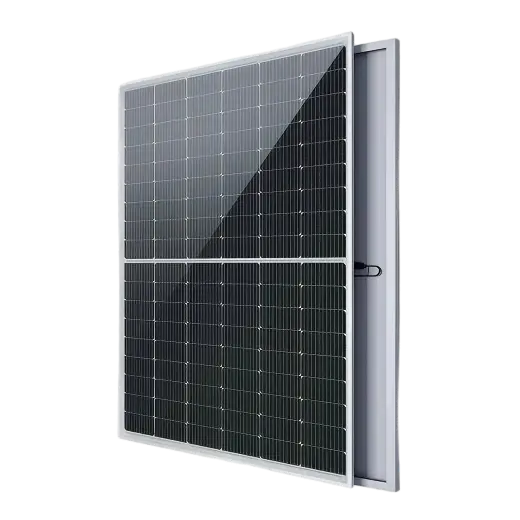
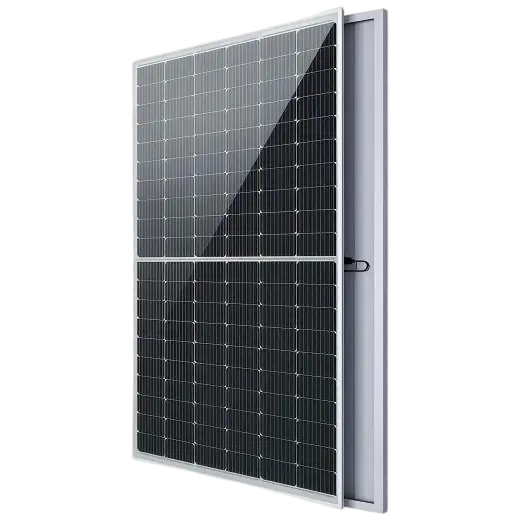
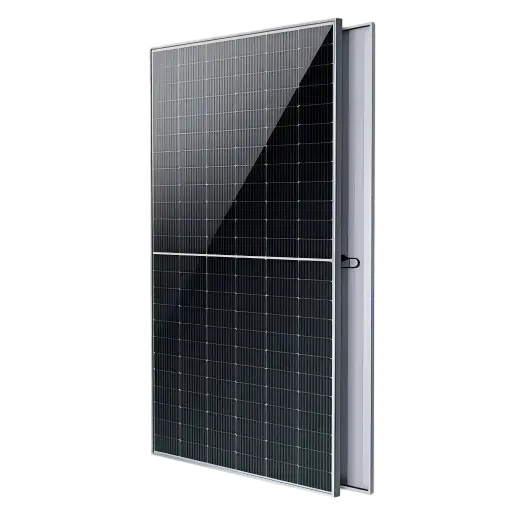
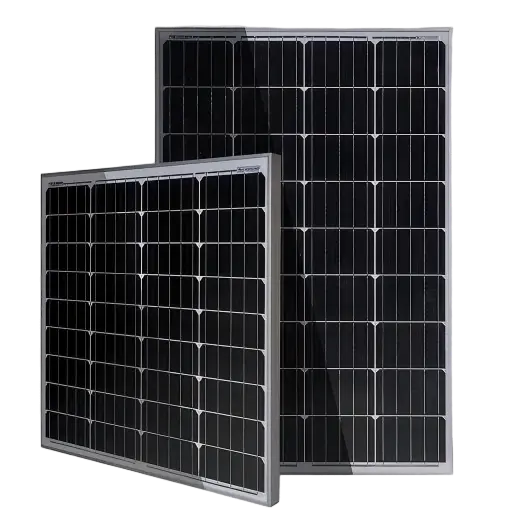
Monocrystalline solar panels use silicon cells manufactured from a single-crystal structure and are widely used where high power output and efficient use of installation area are important. Seplos offers monocrystalline PV modules across multiple power classes, allowing system designers to select panel output according to available space, solar resource, inverter configuration and total project capacity.
Monofacial vs. Bifacial Solar Panels
Monofacial solar panels generate electricity primarily from sunlight reaching the front surface. Bifacial modules can also capture reflected light on the rear side when installation conditions allow. The actual energy gain from bifacial modules depends on mounting height, surface reflectivity, shading, orientation and site conditions, so the module type should be selected according to the project rather than rated wattage alone.
How to Choose the Right Solar Panel Wattage
Solar panel wattage should be selected together with the total system size, available installation area, expected solar irradiation, inverter input limits and battery storage requirements. Higher-wattage modules can reduce the number of panels needed for a given array capacity, but voltage, current, string design and inverter compatibility must also be confirmed before installation.
Solar Panels for Battery Energy Storage Systems
In a solar-plus-storage system, solar panels generate electricity during daylight hours while the battery stores surplus energy for later use. The inverter or power conversion system coordinates energy flow between the PV array, battery, electrical loads and grid where applicable. Residential energy storage projects may prioritize solar self-consumption and backup power, while commercial and industrial energy storage systems may also use solar and storage for peak-load management or microgrid operation.