Welcome to SEPLOS
Sign in to access product documents, firmware, manuals and technical resources.
New to SEPLOS?
Create an Account
Sign in to access product documents, firmware, manuals and technical resources.
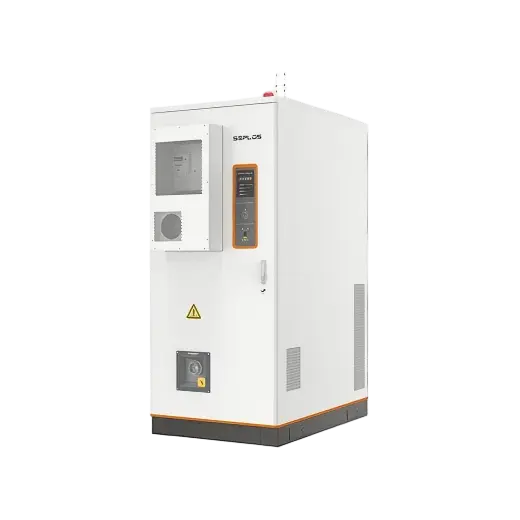
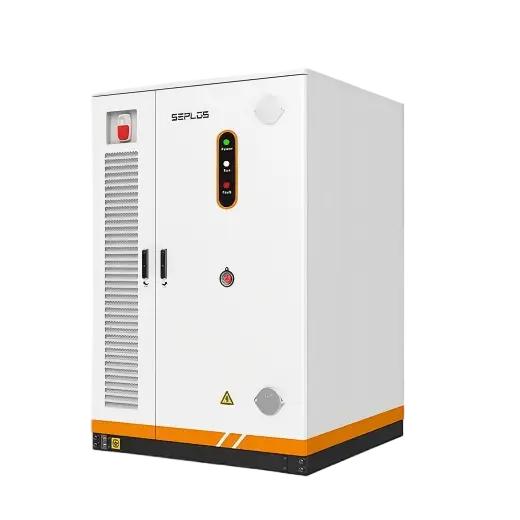
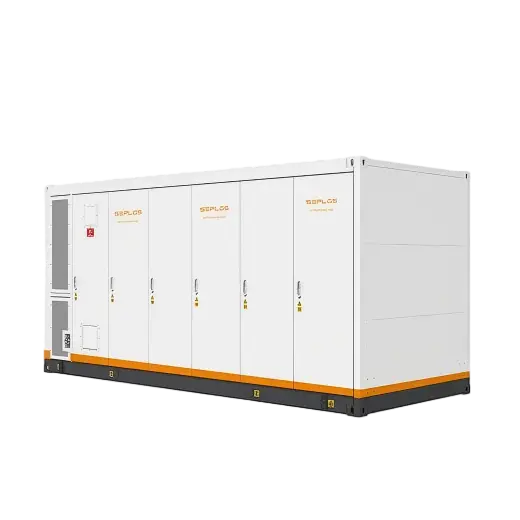
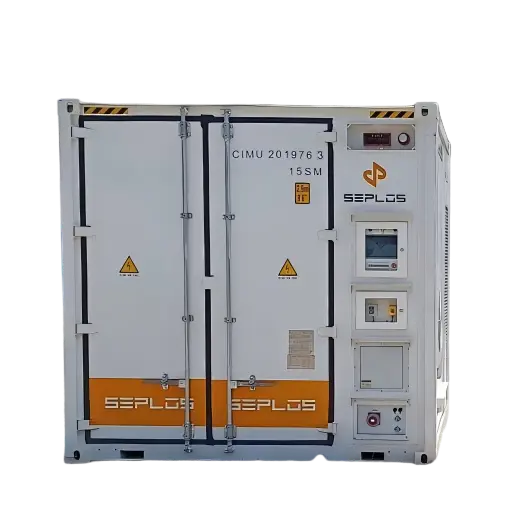
Explore Seplos commercial and industrial battery energy storage systems for peak shaving, backup power, renewable integration, microgrids, and scalable business energy projects.
A commercial and industrial energy storage system stores electricity for later use across factories, warehouses, commercial buildings, EV charging sites, microgrids, and other business facilities. C&I battery storage can support peak-load management, backup power, renewable energy integration, and more flexible use of grid electricity. System design should be based on the facility load profile, required power, storage duration, site conditions, and grid connection requirements.
Commercial and industrial facilities may use 400V, 415V, or 440V AC distribution depending on the market and site electrical architecture. When selecting a C&I energy storage system, confirm the PCS or inverter output voltage, grid connection, rated power and current, battery voltage range, enclosure protection rating, cooling method, and communication requirements. Selected Seplos systems are designed for high-voltage commercial and industrial applications, while exact electrical specifications and IP ratings depend on the product model.
A C&I battery energy storage system can charge when electricity demand or pricing is lower and discharge when site demand increases. Depending on the system design and local electricity market, battery storage can support peak shaving, backup power, solar or wind integration, microgrid operation, and EV charging infrastructure. The operating strategy should be configured around the facility’s actual load profile and project objectives.
Start with the facility’s historical load profile, peak demand, required backup duration, available renewable generation, grid connection capacity, and expected future expansion. Power in kW determines how quickly the system can charge or discharge, while energy capacity in kWh determines how long that power can be supplied. For larger projects, site conditions, PCS sizing, EMS strategy, thermal management, and safety requirements should also be reviewed before final configuration.
A typical commercial and industrial energy storage system combines battery modules, a battery management system (BMS), a PCS or inverter, an energy management system (EMS), electrical protection, thermal management, communication, and safety components. These systems must be engineered to work together according to the required voltage, power, operating strategy, and installation environment.
A commercial and industrial energy storage system stores electricity for later use by factories, warehouses, commercial buildings, EV charging sites, microgrids, and other business facilities. It can support peak-load management, backup power, renewable energy integration, and other site-specific energy strategies.
System sizing should start with the facility load profile, peak demand, required backup duration, renewable generation, grid connection, and project objectives. Required power is normally expressed in kW, while storage capacity is expressed in kWh.
Yes, when the system architecture includes the required inverter or PCS, switching, controls, and backup configuration. The loads to be supported and required backup duration should be identified before the system is sized.
C&I systems are generally designed around the energy requirements of a specific facility or business site, while utility-scale BESS projects typically operate at larger capacities and may serve grid-level functions. System architecture, grid connection, power level, and operating strategy can differ significantly.
Yes. C&I battery storage can be integrated with solar PV, EV charging infrastructure, microgrids, and other site energy assets when the inverter, EMS, electrical architecture, and communication requirements are correctly matched.
Please provide the site load profile or electricity consumption data, required power and capacity, grid voltage, renewable generation, backup requirements, application, installation environment, destination country, and any preferred inverter, PCS, or communication requirements.
Share your load profile, required power and capacity, grid voltage, backup requirements, and application. The Seplos engineering team can help review the project and recommend a suitable C&I energy storage configuration.
Your project information will only be used to evaluate your inquiry and provide relevant product or technical support.