Sign in to access product documents, firmware, manuals and technical resources.
The Seplos HVS-R145P0050-M is a 145kWh high-voltage LiFePO4 energy storage system designed for commercial and industrial facilities requiring reliable energy management, backup power and renewable energy integration.
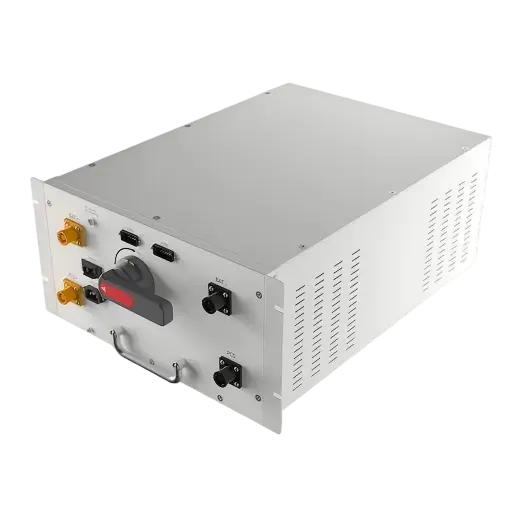
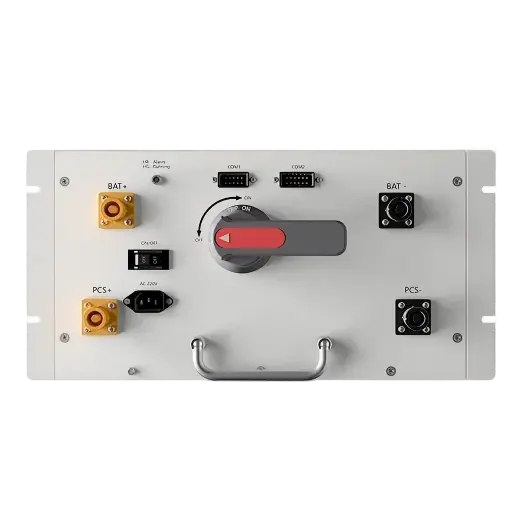
The system integrates nine battery modules using 3.2V 280Ah Grade A prismatic LiFePO4 cells, providing 145kWh of stored energy with a nominal system voltage of approximately 518V.
A 50kW power platform, industrial-grade air-conditioning system, intelligent BMS, CAN/RS485 communication and integrated fire protection provide a practical solution for peak shaving, load shifting and commercial backup applications.

Seplos energy storage systems combine advanced battery protection, intelligent monitoring and practical system architecture to support stable operation, flexible integration and long-term project performance.
Review the key electrical, battery, communication and environmental specifications required for preliminary system evaluation and project planning.
Use these values for preliminary product comparison, inverter matching and energy storage project assessment. Final configurations should be confirmed with the Seplos engineering team.
| Parameter | Specification |
|---|---|
| Model | HVS-R145P0050-M |
| Nominal Energy | 145 kWh |
| Battery Chemistry | LiFePO4 |
| Cell Type | 3.2V 280Ah Grade A Prismatic LFP |
| Nominal Capacity | 280 Ah |
| Nominal Voltage | 518 Vdc |
| Operating Voltage Range | 405–591.3 Vdc |
| Rated Power | 50 kW |
| Matched PCS | 50 kW |
| Battery Module Quantity | 9 Modules |
| Cooling Method | Fan / Industrial Air Conditioning |
| Fire Protection | Aerosol Extinguishing System |
| Communication | CAN / RS485 |
| Monitoring | Screen / App |
| Protection Rating | IP54 |
| Charge Temperature | -20°C to +50°C |
| Dimensions | 1950 × 1000 × 1845 mm |
| Weight | Approx. 2200 kg |
| Installation | Floor-Mounted Cabinet |
Technical specifications may vary by system configuration, battery module selection and project requirements. Contact Seplos for final engineering confirmation before procurement or system integration.
A connected energy storage architecture coordinates solar generation, grid power, battery charging and critical loads to support more flexible and resilient energy use.
Renewable energy is supplied to the site and excess generation can be directed to battery charging.
Grid electricity supports the site when required and can be managed according to project strategy.
Smart BMS and system controls coordinate charging, discharging, protection and energy dispatch.
Stored energy can help reduce peak demand, shift energy use and improve renewable energy utilization.
Selected equipment can receive stored power during grid interruptions, subject to system configuration.
Reduce high-demand grid consumption
Store excess solar energy for later use
Power essential loads during outages
Solar PV and grid sources supply power according to site conditions.
BMS and control logic monitor system status and available energy.
Energy is stored or released based on demand and project strategy.
Commercial and critical loads receive power through the configured system.
From lowering energy costs to ensuring power continuity, storage helps your business get more from every kilowatt-hour.
Reduce peak demand and demand charges with stored energy. Ideal for factories, data centers, and large commercial facilities
.
Store excess solar power and use it when your facility needs it most. Ideal for factories, warehouses, and commercial buildings.
Charge when rates are low and discharge when prices rise to reduce energy costs. Ideal for businesses with time-of-use tariffs.
Keep critical operations running during grid outages with reliable backup power. Ideal for factories, data centers, cold storage, and retail.
System voltage, communication protocol, inverter settings and site requirements should be confirmed before final configuration and ordering.
The final energy storage configuration depends on inverter compatibility, system voltage, communication protocol, load profile and the required backup duration.
Communication settings should match the selected inverter, EMS and project control requirements.
Inverter brand, model, voltage range and protocol compatibility should be reviewed before purchase.
The system can be integrated into a project energy management strategy subject to final configuration.
Seplos can review project requirements and help confirm a suitable battery system configuration.
Share your required capacity, inverter model, application and project location. The Seplos engineering team can help review compatibility and recommend a suitable system configuration.
Engineering review and final compatibility confirmation are recommended before ordering.
Your project information will only be used to evaluate your inquiry and provide relevant product or technical support.