What Is a Hybrid Solar Inverter?
A hybrid solar inverter manages power between solar panels, battery storage, the utility grid and connected electrical loads. It converts solar or battery DC power into usable AC electricity while coordinating battery charging, discharging, solar self-consumption, grid interaction and backup operation according to the system configuration. The correct inverter must match the battery voltage, grid type, power requirements and communication needs of the complete energy storage system.
Single-Phase, Split-Phase and Three-Phase Hybrid Inverters
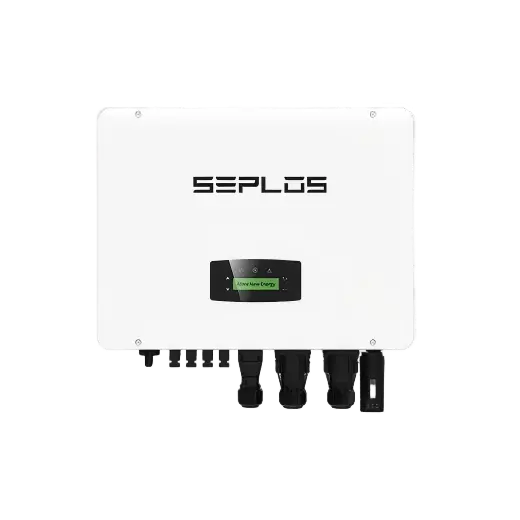
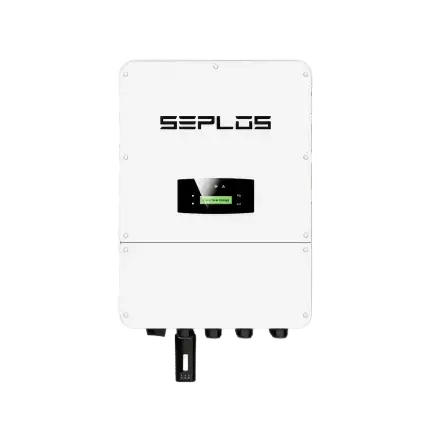
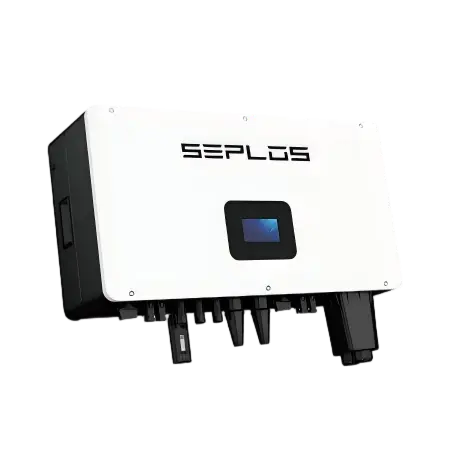
The required phase type depends on the electrical system and application. Seplos offers an 8–12kW single-phase platform for low-voltage residential energy storage, a 3–9.6kW split-phase platform for high-voltage residential systems, and a 3–30kW three-phase platform for high-voltage residential and commercial and industrial energy storage. Always confirm the local grid configuration and electrical requirements before selecting an inverter.
Low-Voltage vs. High-Voltage Battery Compatibility
Battery voltage is one of the most important inverter compatibility requirements. The Seplos 8–12kW single-phase series supports a 40–60V battery platform, while the 3–9.6kW split-phase series supports 80–495V batteries and the 3–30kW three-phase series supports 150–800V battery systems. Battery voltage, BMS communication and inverter specifications should all be confirmed before system integration.
How to Choose the Right Hybrid Inverter Power
Start with the maximum electrical load, required backup loads, solar PV capacity, battery charge and discharge capability, grid phase, and future expansion requirements. Inverter power in kW determines how much AC load the system can support at one time, while battery capacity determines how long stored energy can be supplied. For commercial or larger residential projects, PV input limits, battery voltage range and grid connection requirements should also be reviewed before final selection.