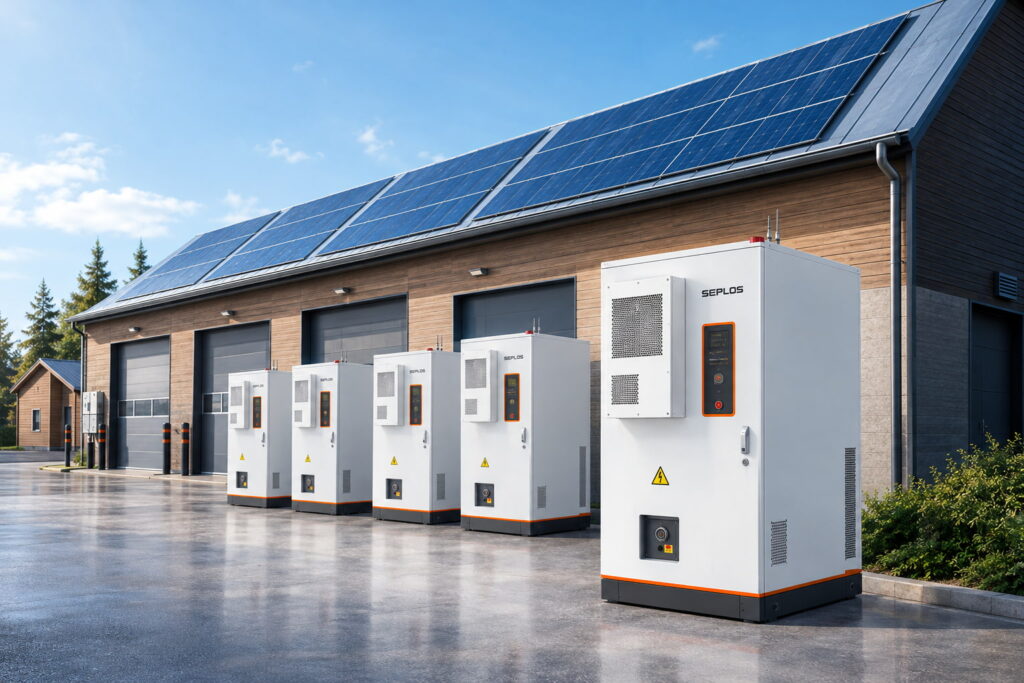
Maintaining your energy storage battery is not just a technical recommendation—it’s a vital step to ensure your system delivers maximum performance, longevity, and safety.
Regular battery storage maintenance helps prevent unexpected failures, improve system reliability, and extend the service life of energy storage systems used in residential and commercial applications.
Whether you are running a home lithium battery system or a large-scale commercial energy storage solution, proper maintenance ensures stable operation and safeguards your investment.
In this guide, you’ll learn the complete energy storage battery maintenance checklist: from understanding its purpose and frequency to knowing the essential tools, procedures, and safety precautions. By the end, you will know exactly how to keep your Seplos battery system in top condition.
Following proper maintenance procedures helps Seplos battery systems maintain stable performance, safety, and reliable operation throughout their service life.

This energy storage battery maintenance process includes battery condition monitoring, electrical inspection, software checks, and preventive actions to keep the system operating safely.
What is the Purpose of Battery Maintenance?
The main goal of energy storage battery maintenance is to ensure the safe, stable, and long-life operation of your system. A well-maintained battery system prevents unexpected failures, reduces downtime, and extends the usable life of your LiFePO4 energy storage solution. Early inspection can also help identify potential issues before they require battery storage repair or replacement of system components.
This is especially critical for residential and commercial users where continuous power supply is essential.
How Often Do Energy Storage Batteries Need Maintenance?
Regular maintenance keeps your system running smoothly. According to Seplos guidelines:
- Weekly inspection – Conduct visual checks on-site or remotely.
- Monthly inspection – Once a month, check key performance parameters.
- Quarterly inspection – Perform deep inspections and cleaning.
- Annual maintenance – A full system check-up, requiring shutdown, to assess every component.
Following this lithium battery maintenance schedule helps prevent minor issues from becoming costly repairs.
What Are the Maintenance Contents for Batteries?
1. Appearance & Environmental Check
- Look for deformation, swelling, or leakage in the battery casing.
- Detect unusual smells, sounds, or overheating.
- Remove dust and debris; ensure proper ventilation.
- Confirm fire safety equipment is functional.
- Check for signs of rodents or insects.
2. Battery Status Check
- Ensure cell voltage difference is ≤ 50mV.
- Verify battery SOC balance.
- Check records for overcharge or over-discharge events.
- Confirm temperature sensors are working correctly.
- Inspect BMS for alarms or fault codes.
- Record total voltage, current, temperature, and remaining capacity.
3. Electrical System Check
- Tighten loose or oxidized terminals.
- Inspect positive/negative terminals for burn marks.
- Test insulation resistance (≥ 1MΩ).
- Verify grounding is in good condition.
- Confirm BMS and PCS communication is stable.
4. Software & Data Check
- Export BMS historical logs.
- Update BMS firmware if necessary.
- Remove redundant data.
- Review logs for overheating, overcurrent, or short-circuit events.
Checking BMS settings and communication parameters regularly can help ensure accurate monitoring and proper protection of the battery system.
What Tools Do You Need to Maintain the Battery?
- Infrared thermometer – Detect localized overheating.
- Insulation resistance tester – Measure system insulation.
- Battery tester – Check cell voltage differences.
- Computer with monitoring software – Read battery parameters.
- Cleaning tools – Remove dust and debris.
What Precautions Do You Need to Take to Maintain the Battery?
- Only qualified professionals should perform maintenance.
- Wear insulated gloves and safety glasses.
- Disconnect the main battery output before starting.
- Never plug or unplug communication/sensor cables while powered.
- Stop using the battery immediately if swelling or leakage occurs.
- Document all maintenance steps with photos and written records.
- After servicing, restart the system and monitor for at least one hour.
Common Faults and Solutions
| Fault | Possible Cause | Recommended Action |
| SOC fluctuates abnormally | Battery has not been calibrated for a long time | Calibrate SOC and perform a full charge-discharge cycle |
| Battery won’t shut down | BMS lock-up | Disconnect external power and B+ cable |
| Communication failure | Loose cable or BMS fault | Check cables, replace module if needed |
| Cannot charge/discharge | Inverter settings error, poor cable contact, or tripped breaker | Check settings, wiring, and replace faulty components |
Protecting Your Energy Storage Investment
Performing regular maintenance on your energy storage battery system not only ensures reliable power supply but also protects your safety. From weekly checks to annual inspections, each step safeguards the performance and lifespan of your Seplos system. In a broader sense, good battery maintenance helps protect your energy storage investment and guarantees that your system continues to deliver optimal returns for years to come.
FAQs About Battery Storage Maintenance
Battery storage maintenance helps ensure safe operation, improve system reliability, reduce unexpected failures, and extend the lifespan of energy storage systems.
Maintenance frequency depends on the system design and usage conditions. Regular inspections, monthly checks, and annual system reviews are commonly recommended.
Battery maintenance usually includes checking battery status, voltage balance, temperature conditions, electrical connections, BMS operation, and system communication.
Yes. Regular inspections can identify potential issues early and reduce the possibility of major battery storage repair or component replacement.
The BMS monitors battery voltage, temperature, current, and safety conditions while helping maintain stable operation and protection.
Proper maintenance, suitable operating conditions, regular monitoring, and correct charging practices can help maximize battery lifespan.