Choosing the right solar battery energy storage system is important for improving energy use, backup capability and solar self-consumption. The required battery size depends on several factors, including daily energy consumption, energy goals, backup duration, peak load and the size of the solar system.
Understanding these factors can help homeowners, businesses and project developers select a battery capacity that matches their actual requirements.
Quick Answer: What Size Solar Battery Storage System Do You Need?
Solar battery storage size should be based on how many kilowatt-hours of energy need to be stored and how much power the system must deliver at one time.
Start by reviewing daily electricity consumption, identifying the loads that need backup power and deciding how many hours those loads should operate. Solar generation, usable battery capacity, inverter efficiency, discharge limits and future expansion should also be considered.
General battery capacity ranges can provide an initial reference, but the final size should be based on actual load and system data.
Determine Your Energy Consumption
The first step in choosing the right solar battery energy storage system is to assess your daily energy consumption. Reviewing past electricity bills can give you a clear picture of your average usage, measured in kilowatt-hours (kWh). Homes with higher energy demands, such as those with electric heating systems like heat pumps, will require a larger storage capacity. These systems typically use more electricity than homes with gas or oil heating, impacting the battery size you’ll need.
Understand Your Energy Goals
Your energy goals will significantly influence the size of the battery you need. If you only want to offset some of your grid usage or have a few hours of backup power during a blackout, a smaller battery (3-5 kWh) could suffice. This size is ideal for homes that need to power essential systems during power outages.
For those who want to store enough energy to run their home during the night or on cloudy days, a medium-sized solar battery energy storage system (6-10 kWh) is a more suitable option. It will provide sufficient energy to keep your household running when solar generation is low, ensuring you have power even when the sun isn’t shining.
Match Battery Size to Your Household Needs
For average-sized homes, a battery in the 10-15 kWh range will typically meet your needs. This is the most common size for homeowners aiming to reduce their reliance on the grid while still having enough power to cover the essentials during cloudy days or at night.
However, if you live in a larger home or have higher energy consumption due to appliances or electric heating, you might need a battery system larger than 15 kWh. Larger homes or those with high electricity usage will benefit from a more substantial system that can store more energy for longer periods, ensuring a steady power supply throughout the day and night.
Frequently Asked Questions
How do I calculate the solar battery storage size I need?
Start with the energy consumption of the loads you want to support and multiply it by the required operating time. Then consider usable battery capacity, system losses, discharge limits and available solar generation.
Is battery capacity measured in kW or kWh?
Battery energy capacity is measured in kilowatt-hours, while power output is measured in kilowatts. Both must be considered when sizing a solar battery system.
Is a 10 kWh solar battery enough for a home?
A 10 kWh battery may be suitable for some homes, but the result depends on daily energy use, backup loads, solar generation and required operating time. It should not be selected based on property size alone.
Can a solar battery power an entire business during an outage?
It is possible only when the battery capacity, inverter power and system design are sufficient for the connected loads. Many businesses prioritize essential equipment instead of supporting the entire facility.
What information is needed to select a commercial battery size?
Provide daily energy use, peak load, required backup duration, solar capacity, system voltage, inverter model, installation conditions and future expansion requirements.
Conclusion
The correct solar battery storage size depends on energy consumption, load power, backup duration, solar output and overall system design.
General capacity ranges can provide a starting point, but the final system should be selected using actual project data. Battery capacity, power output, usable energy and component compatibility must be evaluated together.
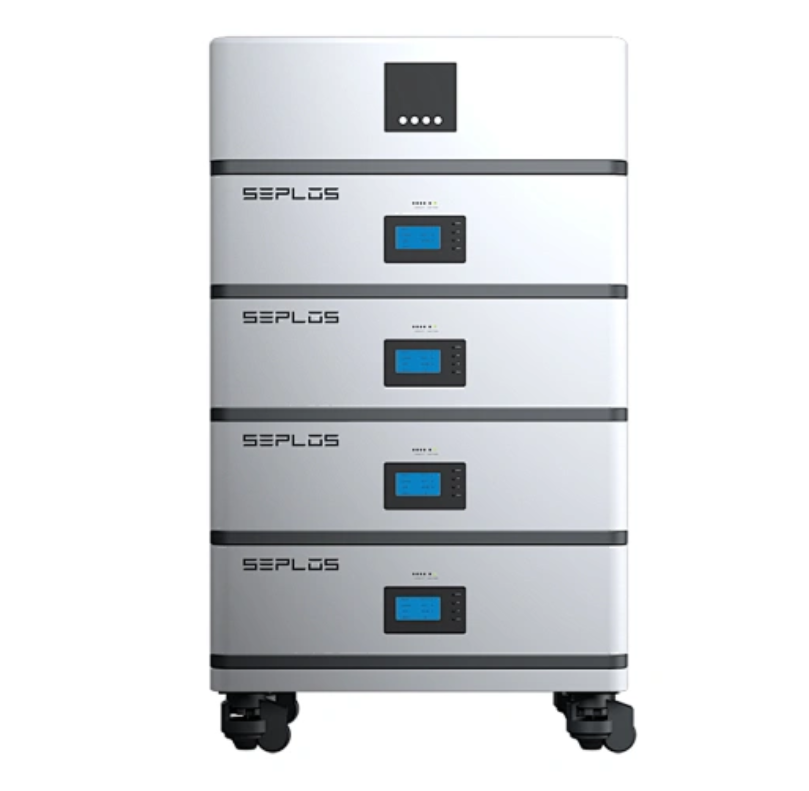
Seplos provides lithium battery and energy storage solutions for residential, commercial and stationary applications.
To discuss a suitable battery configuration, provide your daily energy consumption, peak power, required backup duration, system voltage, solar capacity, inverter information and installation application.
Contact Seplos to discuss solar battery sizing and system compatibility for your project.