The growing popularity of renewable energy sources, particularly solar power, has elevated the importance of residential battery energy storage systems. These systems allow homeowners to store excess energy generated during the day for use when sunlight is not available. However, the lifespan of these batteries can vary significantly based on several factors. Understanding what contributes to a longer life for residential battery energy storage system is essential for maximizing investment and ensuring reliable energy availability.
A typical home battery lifespan depends on battery chemistry, usable depth of discharge, operating temperature, charging frequency, BMS settings, installation quality, and maintenance. Many lithium-based home batteries are designed to operate for roughly 10 to 15 years, although actual service life varies by product and usage conditions.
How Long Does a Home Battery Last?
A home battery may last around 10 to 15 years in regular residential use, while some systems may operate for a shorter or longer period. Buyers should compare expected cycle life, warranty terms, usable capacity, degradation rate, and the operating conditions stated by the manufacturer.
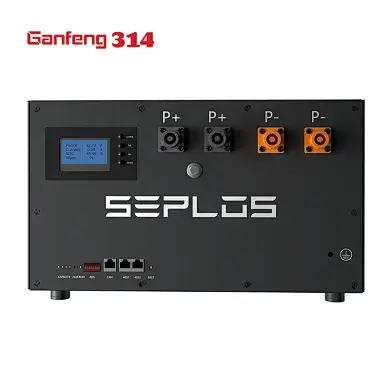
The energy storage battery pack lifespan depends not only on the battery cells but also on BMS configuration, inverter settings, thermal management, charging strategy, and the consistency of the complete battery system.
Quality of Battery Chemistry
The chemistry of the battery plays a crucial role in determining its lifespan. Currently, the most common types of batteries used in residential energy storage are lithium-ion and lead-acid batteries. Lithium-ion batteries typically offer a longer lifespan, often lasting between 10 to 15 years or more, depending on the specific model and usage patterns. On the other hand, lead-acid batteries generally have a lifespan of only 3 to 7 years.
A long cycle life home battery is designed to complete more charge and discharge cycles before its usable capacity falls below the manufacturer’s specified level. Cycle-life ratings should always be reviewed together with depth of discharge, temperature, charging rate, and warranty conditions.
Selecting high-quality lithium-ion batteries from reputable manufacturers can significantly improve longevity. The materials used, manufacturing processes, and design functionalities can affect how well a battery holds its charge over time and how effectively it maintains performance levels throughout its life. Homeowners should conduct thorough research to choose the best quality battery for their residential battery energy storage system.
Why LiFePO4 Batteries Are Commonly Used for Home Storage
LiFePO4 batteries are widely used in residential energy storage because they generally offer good thermal stability, long cycle life, low maintenance, and suitability for frequent charging and discharging. Actual longevity still depends on cell quality, battery design, BMS protection, operating temperature, and charging settings.
Proper Charging and Discharging Practices
How a battery is charged and discharged greatly influences its lifespan. For residential battery energy storage systems, it’s essential to avoid deep discharges, where the battery is drained to very low levels before recharging. Frequent deep discharges can cause significant wear and tear, leading to a decrease in overall capacity.
Instead, maintaining a healthy state of charge by regularly cycling the battery between roughly 20% to 80% can enhance its lifespan. Many modern battery management systems come equipped with features that help manage charging cycles effectively, and homeowners should take advantage of these technologies. Additionally, using energy during off-peak hours, when electricity rates are lower, can also contribute to optimal battery health.
Long-Term Battery Storage Practices
For long-term battery storage, avoid leaving the battery fully depleted or continuously at maximum charge unless the manufacturer specifically recommends it. Stored batteries should be kept within the approved temperature range, disconnected from unnecessary loads, and checked periodically for state of charge, voltage, alarms, and physical condition.
Regularly operating a battery close to its minimum and maximum charge limits may increase battery stress. Maintaining a moderate state-of-charge range can help reduce degradation, although the recommended limits should follow the battery and inverter manufacturer’s settings.
Temperature Management
Temperature is another critical factor affecting the longevity of residential battery energy storage systems. High temperature can accelerate chemical aging, while very low temperature may reduce available capacity and charging performance. Battery systems should be installed in locations that meet the manufacturer’s operating and storage temperature requirements.
Extreme heat can accelerate battery degradation, while excessively low temperatures can hinder performance. Therefore, ensuring that batteries are installed in climate-controlled environments can significantly extend their lifespan.
For example, lithium-ion batteries tend to perform optimally at a moderate temperature range. Homeowners should consult manufacturer guidelines regarding temperature recommendations to ensure their batteries operate within ideal conditions. Proper ventilation and insulation can help mitigate extreme temperature effects, ultimately improving the battery’s longevity.
Key Factors That Affect Home Battery Lifespan
Battery Chemistry and Cell Quality
Battery chemistry, cell consistency, manufacturing quality, and BMS protection directly affect cycle life, thermal stability, and long-term reliability.
Charging and Discharging Habits
Frequent deep discharge, excessive charging rates, and unsuitable inverter settings may increase battery stress and accelerate degradation.
Temperature and Installation Conditions
Operating temperature, ventilation, moisture, installation quality, and maintenance all influence the energy storage battery pack lifespan.
Evaluating these factors together provides a more realistic estimate than relying only on a quoted number of years or cycles.
Conclusion
In conclusion, several key factors contribute to the longevity of residential battery energy storage systems. By selecting high-quality batteries, practicing proper charging and discharging habits, and managing temperature effectively, homeowners can significantly enhance the lifespan of their energy storage solutions. Investing time and effort into understanding these aspects not only maximizes the utility of the residential battery energy storage system but also ensures a more sustainable and reliable energy future. As the demand for renewable energy continues to grow, prioritizing battery longevity will be paramount for effective energy management in homes.
FAQs About Home Battery Lifespan
Many lithium-based home batteries are designed to last around 10 to 15 years, but actual lifespan depends on battery chemistry, cycle frequency, depth of discharge, temperature, maintenance, and product quality.
Key factors include battery chemistry, cell quality, charging and discharging habits, operating temperature, BMS settings, inverter compatibility, installation conditions, and maintenance.
Frequent deep discharges may increase battery stress and accelerate capacity loss. Following the recommended depth-of-discharge limits can help support longer battery life.
LiFePO4 batteries are commonly used for home energy storage because they generally offer good thermal stability, long cycle life, and low maintenance. Actual performance still varies by product and system design.
Keep the battery within the manufacturer’s recommended state-of-charge and temperature range, disconnect unnecessary loads, and check voltage, charge level, alarms, and physical condition periodically.
Yes. Prolonged exposure to high temperatures can accelerate aging, while very low temperatures may reduce available capacity and charging performance.