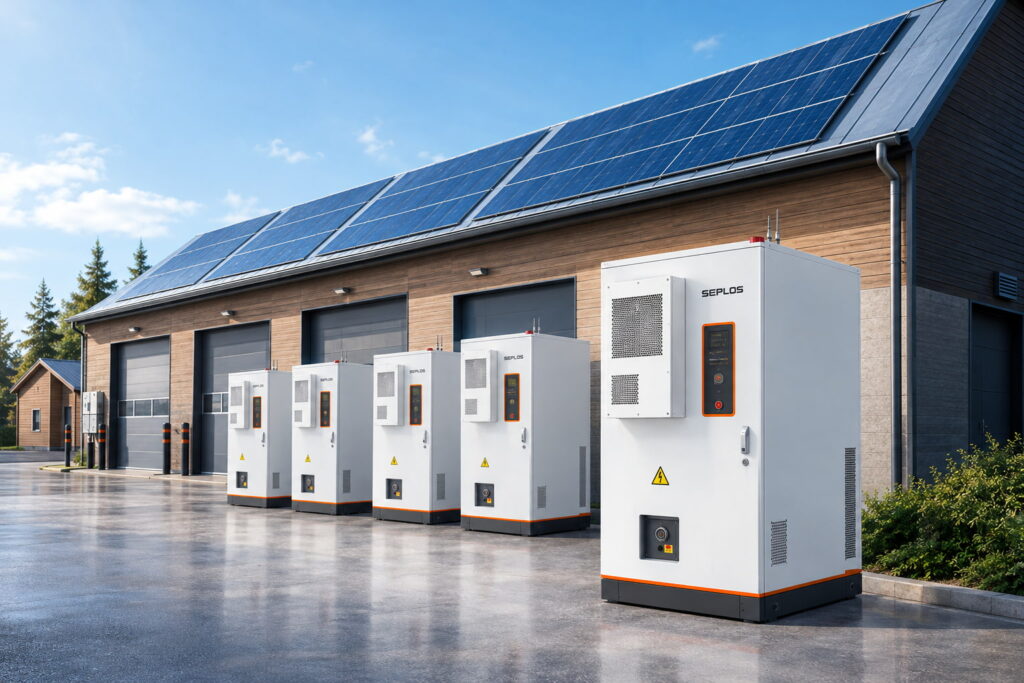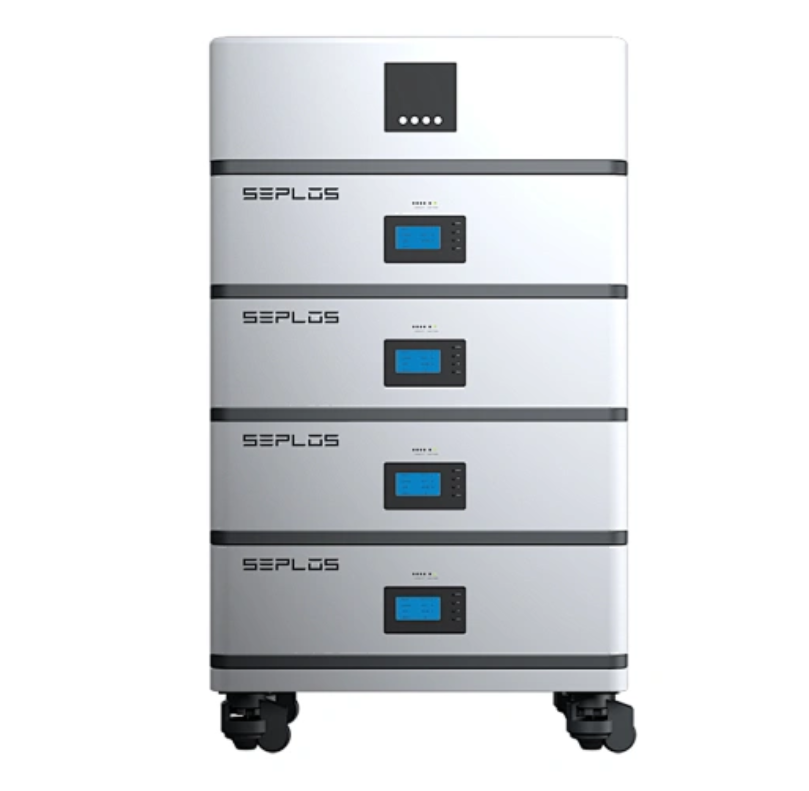
As energy demands rise and the push for sustainability intensifies, the interest in home energy storage batteries has grown significantly. Understanding the benefits of these systems is crucial for homeowners considering energy independence and efficiency.
Home energy storage is a battery-based system that stores electricity for later use. It can store energy generated by solar panels or electricity drawn from the grid, allowing homeowners to use the stored power during outages, peak-rate periods, or times when solar generation is unavailable.
The key benefits of home energy storage systems include greater energy independence, backup power, improved use of solar energy, better control of household electricity consumption, and potential savings during high-rate periods.

A residential home energy storage battery can store electricity from solar panels or the utility grid and make it available when household demand increases or the external power supply is interrupted.
Enhanced Energy Independence
One of the primary advantages of a home energy storage battery is the increased energy independence it offers. By storing excess energy generated from renewable sources—such as solar panels—homeowners can utilize this energy during peak demand times or outages. This capability reduces reliance on the grid and provides a reliable energy source even when external supply is disrupted.
One of the most practical benefits of residential energy storage is greater control over when electricity is stored and used. Homeowners can reserve energy for outages, shift consumption away from expensive peak periods, and make better use of electricity generated by a residential solar system.
During a power outage, a properly configured home energy storage system may continue supplying selected essential loads, such as lighting, refrigeration, communication devices, and basic household equipment. Actual backup duration depends on battery capacity, inverter output, reserved state of charge, and household electricity demand.
Moreover, home energy storage batteries empower homeowners to manage their energy consumption more effectively. By storing energy during low-cost periods and using it during high-cost times, individuals can significantly lower their electricity bills. This financial benefit is a compelling reason for many to invest in a home energy storage battery.
This home energy storage battery advantage is most relevant in areas with time-of-use electricity pricing. The battery can charge when electricity is cheaper and supply the home when grid prices are higher, although actual savings depend on local tariffs, system efficiency, battery capacity, and household energy use.
Improved Energy Efficiency
Home energy storage batteries contribute to improved energy efficiency in residential settings. These systems allow homeowners to optimize the use of their energy resources, minimizing waste. By capturing and storing excess energy, users can reduce their overall energy consumption and enhance the performance of their home’s energy systems.
A home energy storage system does not generate electricity by itself. Instead, it improves how available electricity is managed by storing energy when it is available and delivering it when the household needs it.
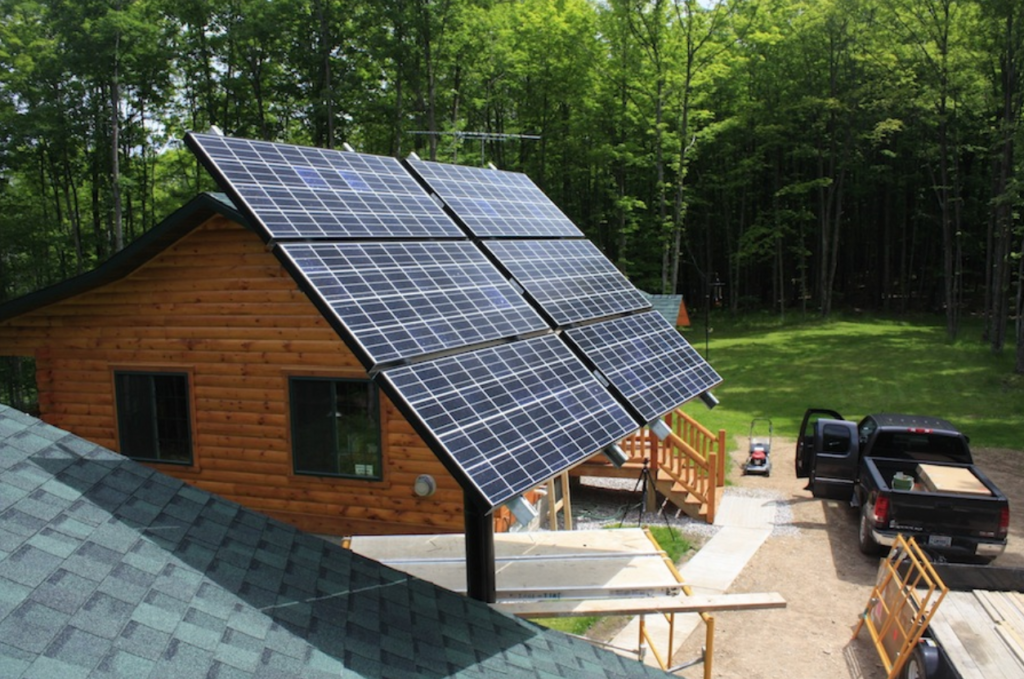
When paired with solar panels, home energy storage allows more locally generated electricity to be used inside the home. This can increase solar self-consumption and reduce the amount of electricity that must be purchased from the utility grid.
Additionally, a home energy storage battery can help mitigate the effects of peak demand charges. During times of high energy use, utilities often increase prices. By relying on stored energy, homeowners can avoid these elevated costs, leading to long-term savings. This efficiency not only benefits the homeowner financially but also contributes to a more sustainable energy grid by reducing peak load pressures.
Battery systems also experience charging, discharging, inverter, and standby losses. When evaluating efficiency, homeowners should compare usable battery capacity, round-trip efficiency, inverter efficiency, and expected capacity degradation over time.
Environmental Impact
Investing in a home energy storage battery also has positive environmental implications. By facilitating greater use of renewable energy, these systems help decrease reliance on fossil fuels. As homeowners store and use clean energy, they contribute to reducing greenhouse gas emissions and supporting a transition towards a more sustainable energy future.
The environmental benefits of home energy storage solutions are generally strongest when the battery stores renewable or lower-carbon electricity, increases the use of on-site solar generation, or reduces household demand during carbon-intensive peak periods.
The total environmental impact also depends on battery manufacturing, electricity sources, transportation, operating efficiency, service life, and end-of-life recycling. Therefore, battery durability and responsible recycling should also be considered when evaluating sustainability.
Furthermore, the adoption of home energy storage batteries is increasingly supported by government incentives and rebates. These financial incentives encourage homeowners to make environmentally friendly choices, further promoting the integration of renewable energy sources.
Incentives, rebates, tax credits, electricity tariffs, and installation requirements vary by country and region. Homeowners should confirm current local policies and eligibility requirements before calculating the expected return on a residential energy storage investment.
In conclusion, the benefits of home energy storage batteries are manifold. They offer enhanced energy independence, improved energy efficiency, and a positive environmental impact. With the growing importance of sustainable energy solutions, these systems play a crucial role in modern residential energy management. At Seplos, we are committed to providing innovative home energy storage solutions that empower users and support a sustainable future.
What to Consider Before Choosing a Home Energy Storage System
Before choosing a residential energy storage system, compare:
- Usable battery capacity
- Continuous and peak output power
- Essential backup power requirements
- Battery chemistry and expected cycle life
- Round-trip efficiency
- Solar inverter and BMS compatibility
- Installation space and operating temperature
- Product warranty and technical support
- Local electricity tariffs and available incentives
- Future battery expansion options
The most suitable system should match the household’s daily electricity consumption, essential backup loads, solar generation profile, installation environment, and long-term energy goals.
FAQs About Home Energy Storage
Home energy storage uses a rechargeable battery system to store electricity from solar panels, the utility grid, or both. The stored electricity can be used during outages, peak-rate periods, or when solar generation is low.
The main benefits include backup power, greater energy independence, increased use of solar electricity, better control of household energy consumption, and potential savings under suitable electricity tariffs.
A home battery may reduce electricity costs by charging during lower-cost periods and supplying power during peak-rate periods. Actual savings depend on local electricity prices, household usage, battery efficiency, and system settings.
Yes, but the system must include compatible backup equipment and be configured for off-grid or backup operation. The available backup time depends on battery capacity, inverter output, essential loads, and energy consumption.
Home energy storage can increase the use of renewable electricity and reduce demand during peak periods. Its overall environmental impact also depends on battery production, efficiency, service life, electricity sources, and recycling.
Required capacity depends on daily electricity consumption, solar generation, essential backup loads, expected outage duration, and whether the main goal is backup power, lower electricity costs, or greater energy independence.