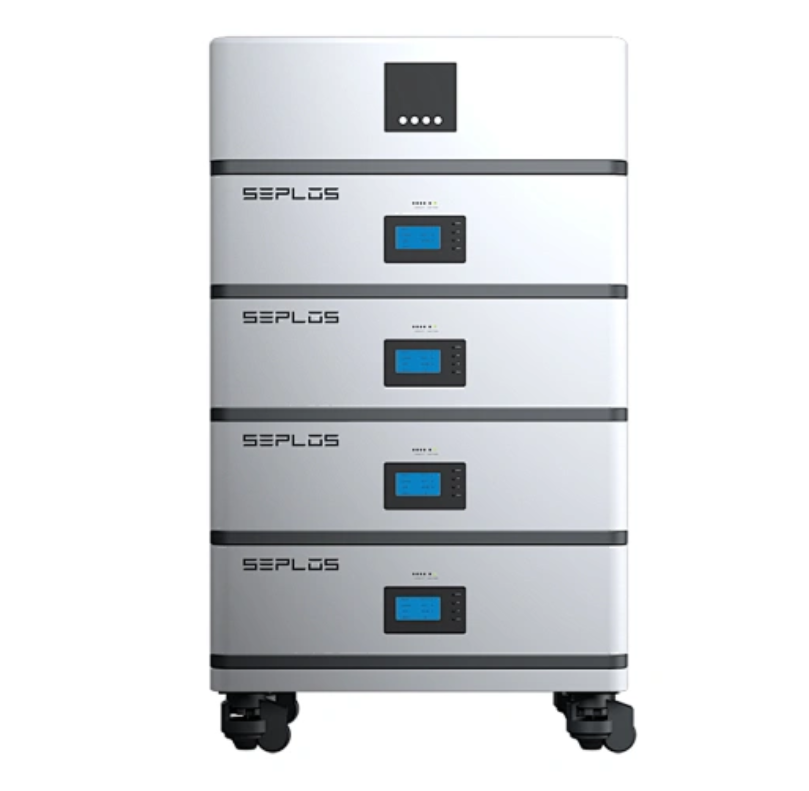
In the rapidly evolving world of energy storage, businesses are seeking reliable, cost-effective, and sustainable solutions. One such option that stands out is the LiFePO4 battery for energy storage. Known for its remarkable benefits, this advanced battery technology is transforming energy storage systems and offering businesses a competitive edge in sustainability and efficiency. Below, we explore the key advantages of adopting LiFePO4 batteries in energy storage systems.
Extended Lifespan for Long-Term Investment
One of the standout features of energy storage LiFePO4 batteries is their extended lifespan. Compared to other battery types like lead-acid and lithium-ion, LiFePO₄ batteries offer a significantly longer cycle life. For instance, while a lead-acid battery may last around 500 cycles, a LiFePO4 battery for energy storage can endure over 3,000 cycles before its performance drops to 80%. This remarkable durability translates into fewer replacements and long-term savings.
For businesses investing in energy storage, the long-term performance of LiFePO₄ batteries offers a compelling economic benefit. Fewer replacements mean reduced operational costs, making them a solid investment for any company looking to optimize its energy systems over time.
Enhanced Safety Features
Safety is a top concern when choosing a battery solution for energy storage. Energy storage LiFePO₄ batteries excel in this regard, offering superior safety features compared to traditional lead-acid and lithium-ion batteries. Unlike other battery chemistries, LiFePO4 chemistry generally provides strong thermal stability and a lower thermal-runaway risk than many nickel-based lithium-ion chemistries. Overall system safety still depends on cell quality, BMS protection, electrical design, thermal management, installation, and operating conditions, significantly reducing the risk of thermal runaway, overheating, and combustion.
Additionally, LiFePO₄ batteries do not emit toxic fumes like lead-acid batteries, which can be harmful in poorly ventilated spaces. With appropriate enclosure, thermal management, ventilation, and safety design, LiFePO4 battery systems can support a range of indoor and outdoor energy storage applications, allowing businesses to safely store and operate these batteries in a variety of environments.
Eco-Friendly and Sustainable Choice
As businesses increasingly prioritize sustainability, energy storage LiFePO₄ batteries provide a greener alternative to conventional battery technologies. These batteries are made without the toxic heavy metals found in other battery types, such as cadmium and lead. Furthermore, LiFePO₄ batteries do not require cobalt, a material often linked to ethical concerns in mining practices.
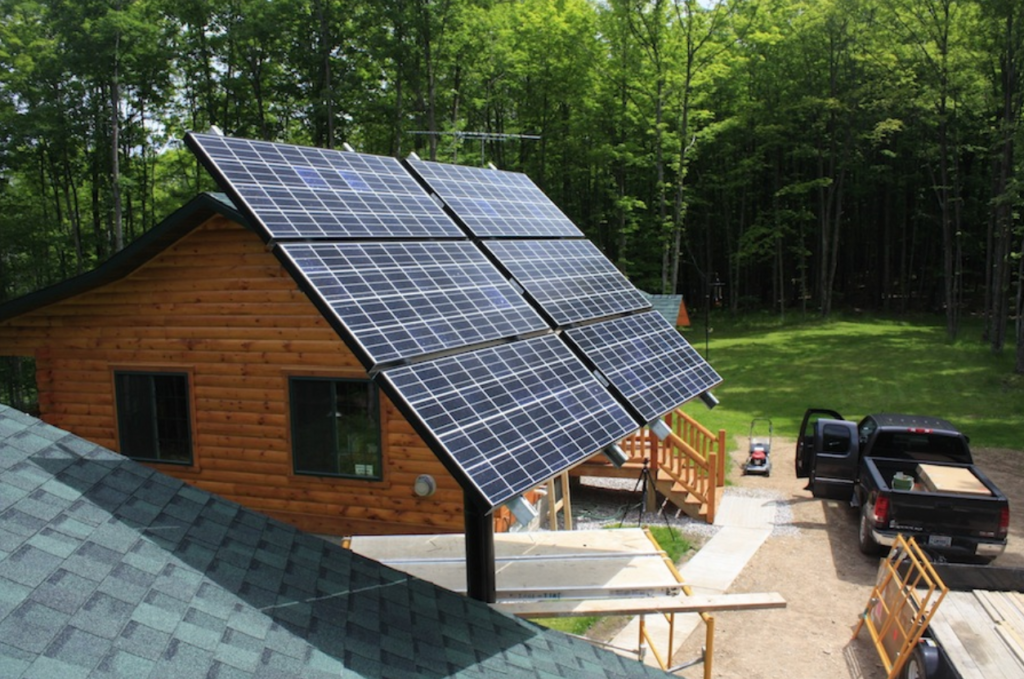
The environmental benefits of LiFePO₄ batteries extend beyond their composition. Due to their long lifespan and low self-discharge rate, these batteries require fewer replacements, which reduces the overall environmental impact. Additionally, when combined with renewable energy sources like solar power, LiFePO₄ batteries contribute to a fully sustainable energy storage solution that helps businesses reduce their carbon footprint.
What Businesses Should Evaluate Before Selecting LiFePO4 Batteries
Before selecting LiFePO4 batteries for energy storage, businesses should define the required usable capacity, peak power, backup duration, expected cycle frequency, system voltage, and operating environment. Compatibility with the BMS, inverter or PCS, communication protocol, protection equipment, and installation enclosure should also be confirmed.
The most suitable battery configuration depends on the application. A system designed for occasional backup power may require a different capacity, power rating, and control strategy from one used for daily solar energy storage, peak demand management, or frequent cycling.
FAQ
Provide the required capacity, peak power, system voltage, backup duration, load profile, installation environment, and intended application. Inverter or PCS details and communication requirements are also helpful.
It depends on voltage range, charge and discharge limits, communication protocol, and BMS compatibility. These details should be confirmed before installation.
Cold temperatures can reduce charging performance and available power. Insulation, battery heating, temperature monitoring, and BMS protection may be required.
Consider the initial price, usable capacity, efficiency, maintenance, replacement needs, operating conditions, and expected service life—not just the battery purchase cost.
Conclusion
LiFePO4 batteries can provide a strong combination of thermal stability, long service potential, frequent-cycle capability, and suitability for stationary energy storage applications. By investing in these advanced batteries, businesses can not only improve their energy storage systems but also benefit from cost savings, enhanced safety, and a reduced environmental footprint. For companies looking to stay ahead in the green energy revolution, adopting LiFePO₄ batteries is a smart choice for long-term success.
Planning a LiFePO4 energy storage project? Share your required capacity, system voltage, backup duration, inverter or PCS specifications, and installation conditions with the Seplos team for configuration review.