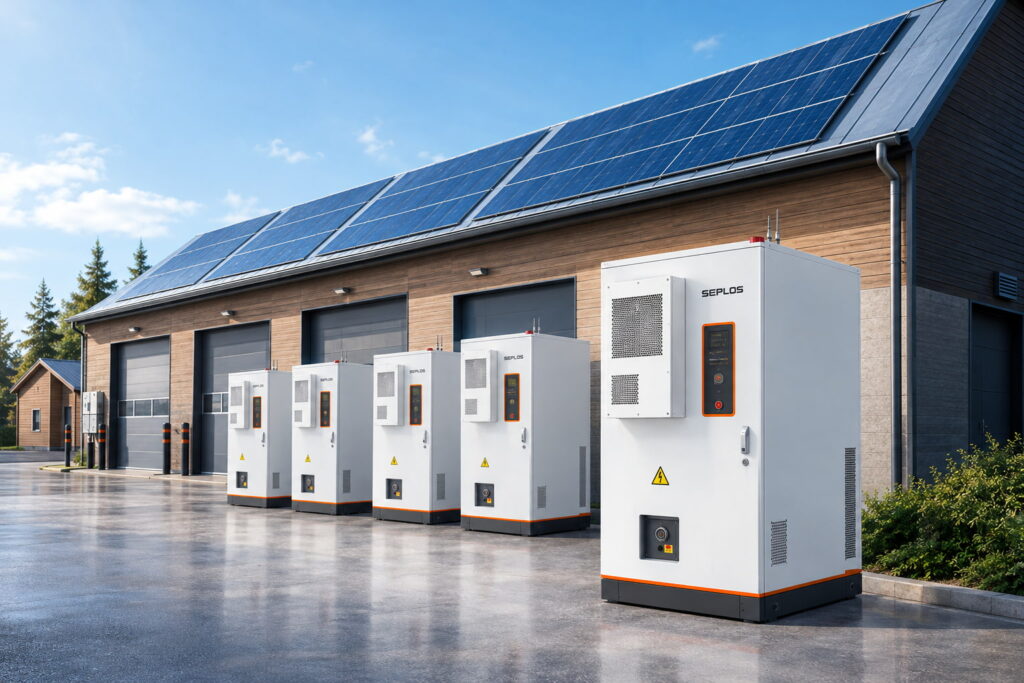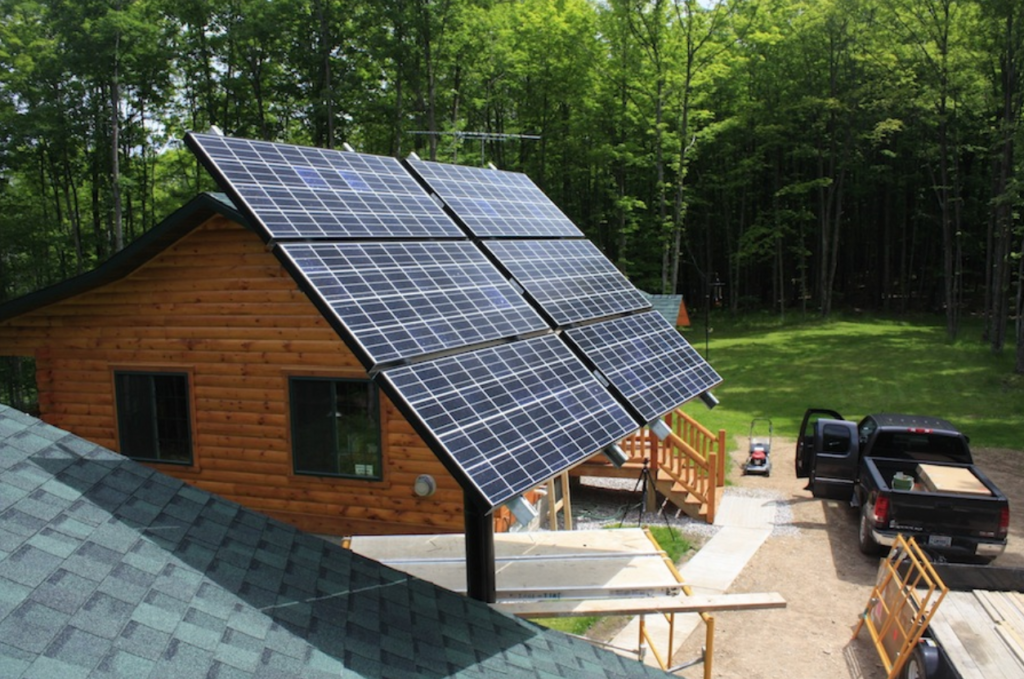
As the need for renewable energy solutions continues to rise, the popularity of LiFePo4 energy storage systems is gaining traction among homeowners and businesses alike. These advanced energy storage solutions, particularly the LiFePo4 battery for solar applications, offer numerous advantages that align with our goals of sustainability and efficiency. At Seplos, we are committed to providing high-quality, innovative LiFePo4 energy storage systems to meet the evolving needs of the renewable energy market.
A LiFePO4 energy storage system combines stable battery chemistry, long cycle life, and flexible capacity, making LiFePO4 energy storage suitable for residential solar, commercial backup, and renewable energy projects.
Enhanced Safety and Stability
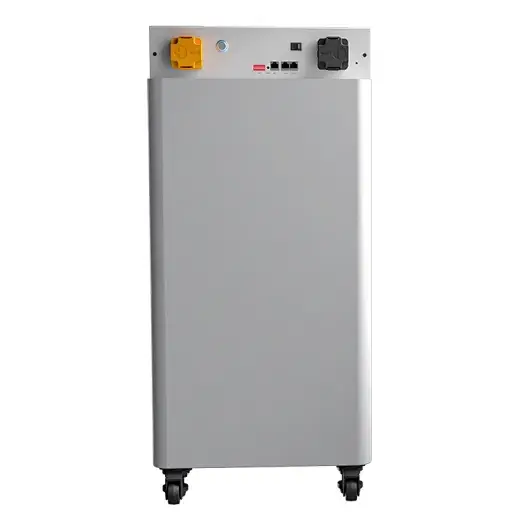
One of the foremost reasons LiFePo4 energy storage systems are becoming preferred choices in renewable energy is their superior safety profile. Unlike other lithium-ion batteries, LiFePo4 batteries possess a unique chemical structure that makes them less prone to overheating and thermal runaway. This characteristic translates into enhanced stability during operation and minimizes the risk of fire hazards, making the LiFePo4 battery for solar installations a safer option for residential and commercial use.
Additionally, the longevity of LiFePo4 batteries contributes to their growing popularity. With a lifespan of over 3,000 cycles, these energy storage systems provide a reliable and long-lasting solution for storing solar energy. Homeowners and businesses can thus invest with confidence, knowing that they are choosing a battery which will serve their energy needs for years to come.
Scalability and Flexibility
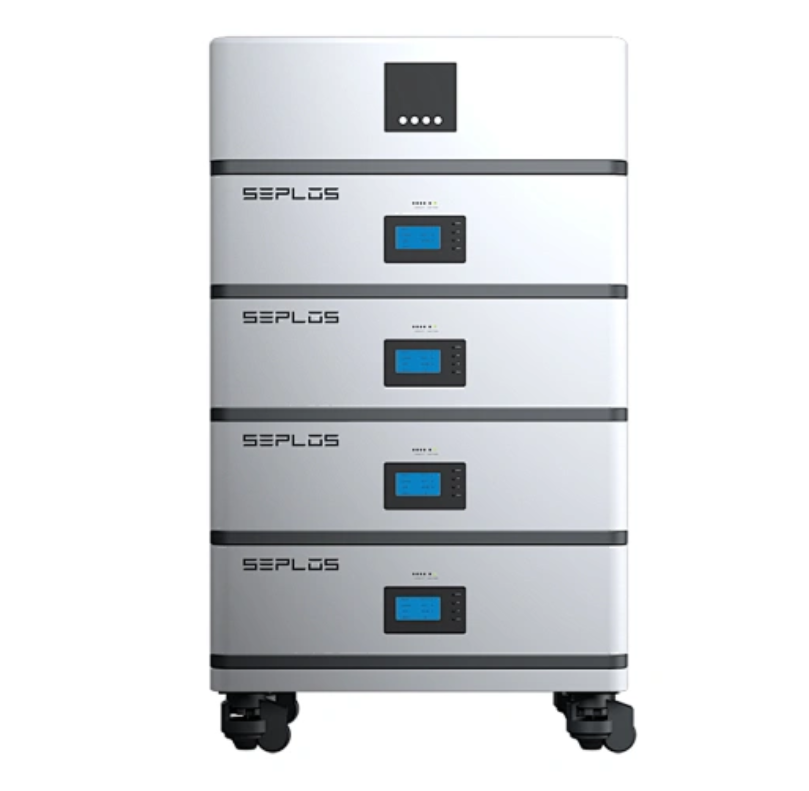
Another significant advantage of LiFePo4 energy storage systems is their scalability. As our energy requirements evolve, so too must our energy storage solutions. The Seplos LiFePo4 energy storage system is designed to grow with our needs, allowing us to effortlessly scale our solar energy storage capacity by adding batteries as necessary. This flexibility means we can start small and expand our system as our energy consumption increases, making it a cost-effective solution suited for both current and future demands.
Moreover, real-time performance monitoring features enhance our ability to manage energy usage efficiently. With Bluetooth monitoring capabilities integrated into our 48V LiFePo4 battery systems, we can track energy consumption and operational status easily through a clear LCD screen. This intelligent control not only optimizes performance but also empowers us to make informed decisions about our energy usage.
Environmental Benefits
Lastly, the environmental impact of using LiFePo4 energy storage systems cannot be overlooked. By incorporating these battery systems into our renewable energy projects, we are promoting the use of clean energy sources. The adoption of LiFePo4 batteries aligns with global efforts to transition towards more sustainable energy practices, reducing reliance on fossil fuels and lowering greenhouse gas emissions.
In conclusion, the growing popularity of LiFePo4 energy storage systems in renewable energy is driven by their safety, longevity, scalability, and positive environmental impact. For those looking to harness the benefits of solar energy while ensuring a reliable storage solution, we recommend exploring our offerings from Seplos. Our LiFePo4 battery for solar applications and innovative energy storage systems are designed to empower users in their journey toward sustainable energy management.
FAQs About LiFePO4 Energy Storage Systems
LiFePO4 systems offer strong thermal stability, long cycle life, reliable performance, and flexible capacity, making them suitable for residential and commercial renewable energy projects.
Yes. They can store excess solar electricity for use at night, during periods of low solar generation, or when grid power is unavailable.
Their service life depends on cell quality, depth of discharge, operating temperature, charging conditions, and BMS settings. Many systems can provide thousands of charge and discharge cycles.
Many modular systems support parallel expansion. However, users should confirm the manufacturer’s maximum number of batteries, inverter compatibility, and communication requirements.
A suitable system should include a reliable BMS, overvoltage and undervoltage protection, overcurrent protection, temperature monitoring, short-circuit protection, and properly rated electrical components.