
As solar energy systems become increasingly popular for residential and commercial use, many consumers are curious about the performance and longevity of solar batteries. A 10kWh battery is one of the most common energy storage sizes for residential solar systems because it provides a practical balance between storage capacity, installation flexibility, and daily energy needs.
A common question is: how long will a 10kW solar battery last? The answer depends on several factors, including battery type, usage patterns, maintenance, and environmental conditions. This article examines the key considerations that determine the lifespan of a 10kW solar battery system.
The actual lifespan of a 10kWh solar battery depends on battery chemistry, depth of discharge, charging frequency, operating temperature, and overall system management.
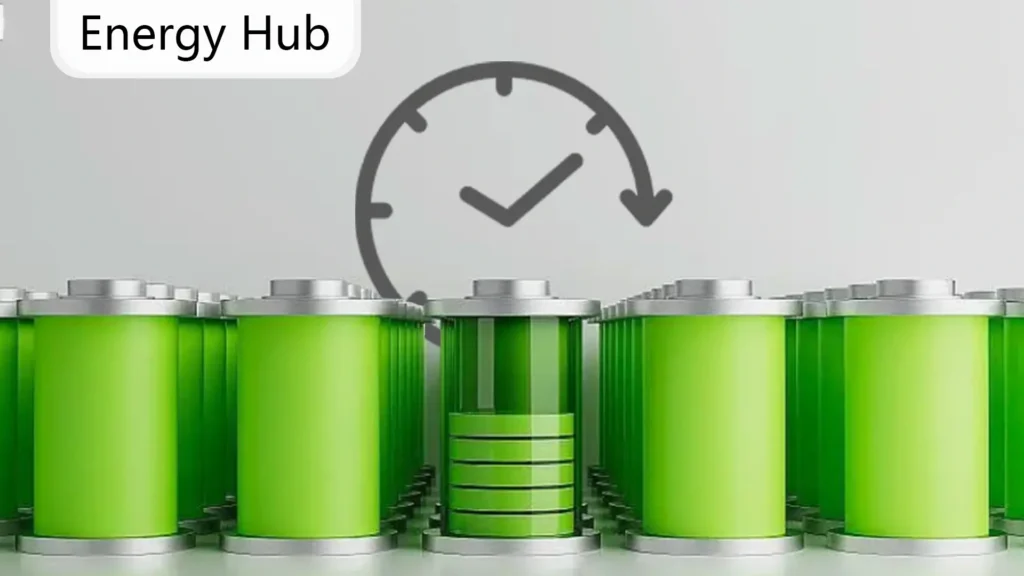
Understanding Battery Capacity
First, it’s important to clarify that “10kW” refers to the power output capacity (how much energy the battery can deliver at once), while “kWh” (kilowatt-hours) measures energy storage capacity. In simple terms, a 10kWh battery means the system can store up to 10 kilowatt-hours of electricity. Understanding this capacity helps homeowners estimate backup time and determine whether the battery matches their energy consumption.
Many people actually mean “10kWh” when asking this question. A 10kWh battery can theoretically power a 1kW load for 10 hours, a 2kW load for 5 hours, etc.
Types of Solar Batteries and Their Lifespans
1. Lead-Acid Batteries:
Typical lifespan: 3-5 years
Cycle life: 500-1,000 cycles (a cycle is one full discharge and recharge)
More affordable but shorter lifespan
2. Lithium-Ion Batteries:
Typical lifespan: 10-15 years
Cycle life: 2,000-5,000 cycles
More expensive but longer-lasting and more efficient
3. Saltwater Batteries:
Typical lifespan: 10+ years
Cycle life: 3,000+ cycles
Environmentally friendly but less common
Factors Affecting Battery Lifespan
1. Depth of Discharge (DoD): Regularly draining your battery completely will shorten its life. Most manufacturers recommend not exceeding 80-90% DoD for lithium-ion batteries.
2. Temperature: Extreme heat or cold can significantly impact battery performance and longevity. Ideal operating temperatures are typically between 50°F and 86°F (10°C to 30°C).
3. Usage Patterns: How frequently you cycle the battery affects its lifespan. A battery used daily will degrade faster than one used occasionally.
4. Maintenance: Proper maintenance (especially for lead-acid batteries) and keeping the battery at appropriate charge levels when not in use can extend lifespan.
5. Quality and Technology: Higher-quality batteries with better battery management systems tend to last longer.
Calculating Daily Usage
To estimate how long a 10kWh battery will last in daily use:
1. Determine your average daily energy consumption (e.g., 20kWh)
2. Determine what percentage you want to cover with battery (e.g., 50% = 10kWh)
3. Account for inverter efficiency (typically 90-95%)
In this example, the 10kWh battery would cover about one-half day of average usage. The battery would cycle once per day in this scenario.
How long a 10kWh battery can power a house depends on household electricity consumption, connected loads, and whether the battery is used for backup power or daily energy optimization.
Warranty Considerations
Most solar batteries come with:
– A warranty period (typically 10 years for lithium-ion)
– A guaranteed cycle life or throughput capacity
– An end-of-warranty capacity guarantee (usually 60-70% of original capacity)
Conclusion
A 10kW (or more accurately, 10kWh) solar battery’s lifespan typically ranges from:
– 3-5 years for basic lead-acid batteries
– 10-15 years for lithium-ion batteries
– Potentially longer for emerging technologies
With moderate use and proper maintenance, you can expect a quality lithium-ion solar battery to last through its warranty period while maintaining at least 70% of its original capacity. The actual duration the battery will power your home depends entirely on your energy usage patterns, but the battery itself should provide reliable service for a decade or more in most cases.
For homeowners, installers, and energy storage providers, selecting a reliable solar battery with suitable capacity and battery management technology is essential for long-term performance.
FAQs About 10kWh Batteries
A 10kWh battery typically lasts 10–15 years depending on battery chemistry, usage frequency, charging habits, operating temperature, and maintenance.
A 10kWh solar battery can usually provide reliable performance for many years when properly managed, with lifespan affected by depth of discharge and charging cycles.
10kWh represents the amount of energy a battery can store. A 10kWh battery can provide up to 10 kilowatt-hours of stored electricity for household or commercial use.
The backup time depends on household energy consumption. A lower-power home may run longer, while homes with higher loads will use stored energy faster.
For many residential solar systems, a 10kWh battery provides a practical storage capacity for daily energy use, backup power, and reducing grid dependence.
Battery chemistry, depth of discharge, temperature, charging frequency, maintenance, and battery management systems all influence lifespan.
