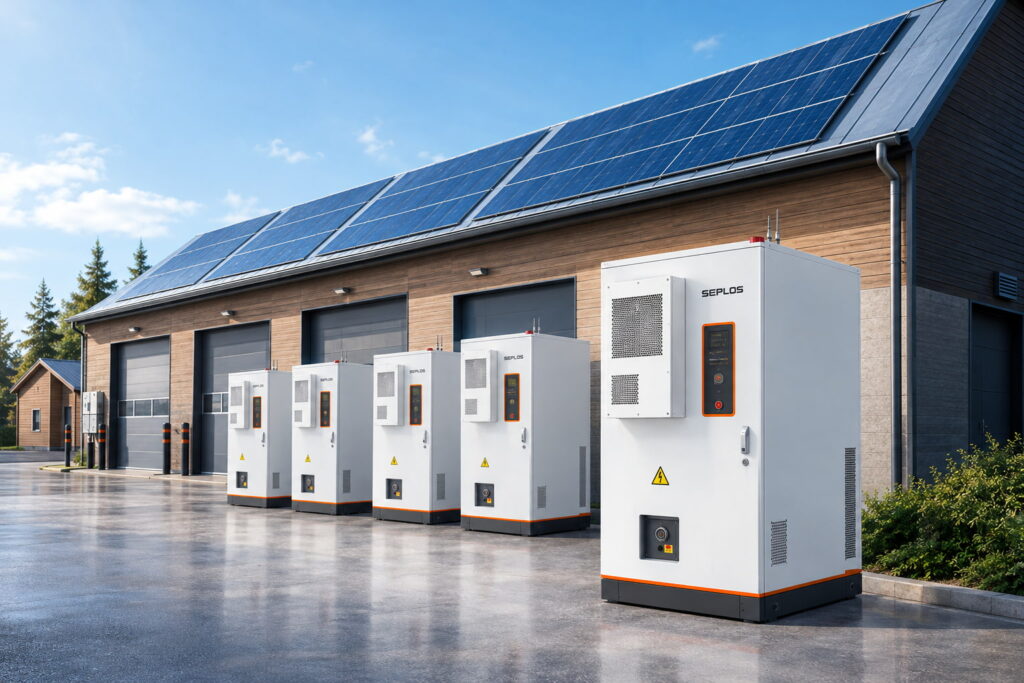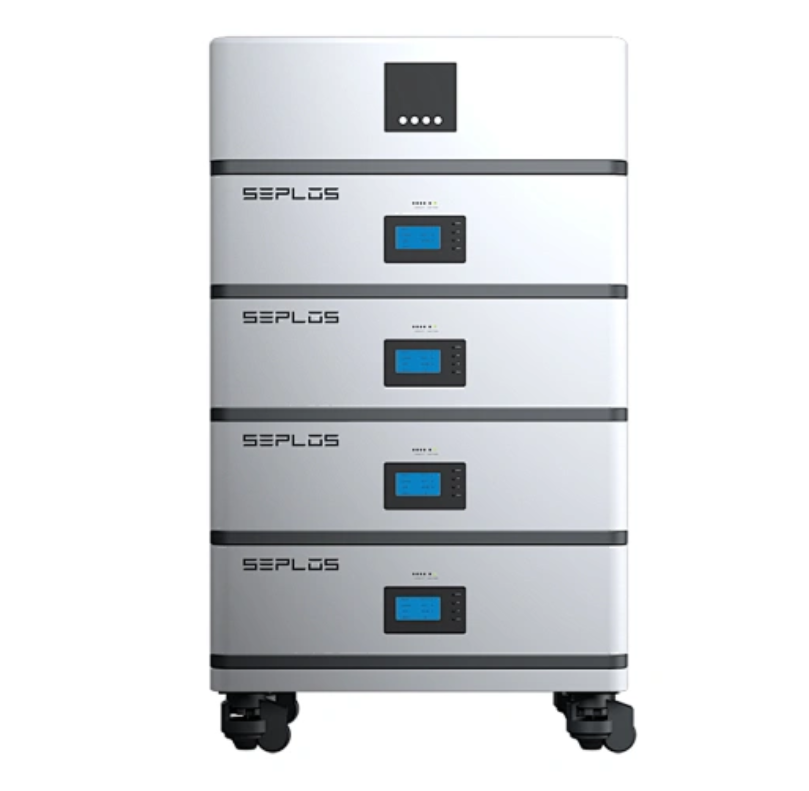
Being a top supplier of prismatic LifePo4 cell wholesale solutions is something we at Seplos are proud of. Our dedication to excellence and innovation guarantees that we provide premium LifePo4 prismatic batteries that satisfy our clients’ various demands. We offer dependable power solutions that are appropriate for a range of applications, including renewable energy systems and electric cars, thanks to our cutting-edge technology and stringent testing.
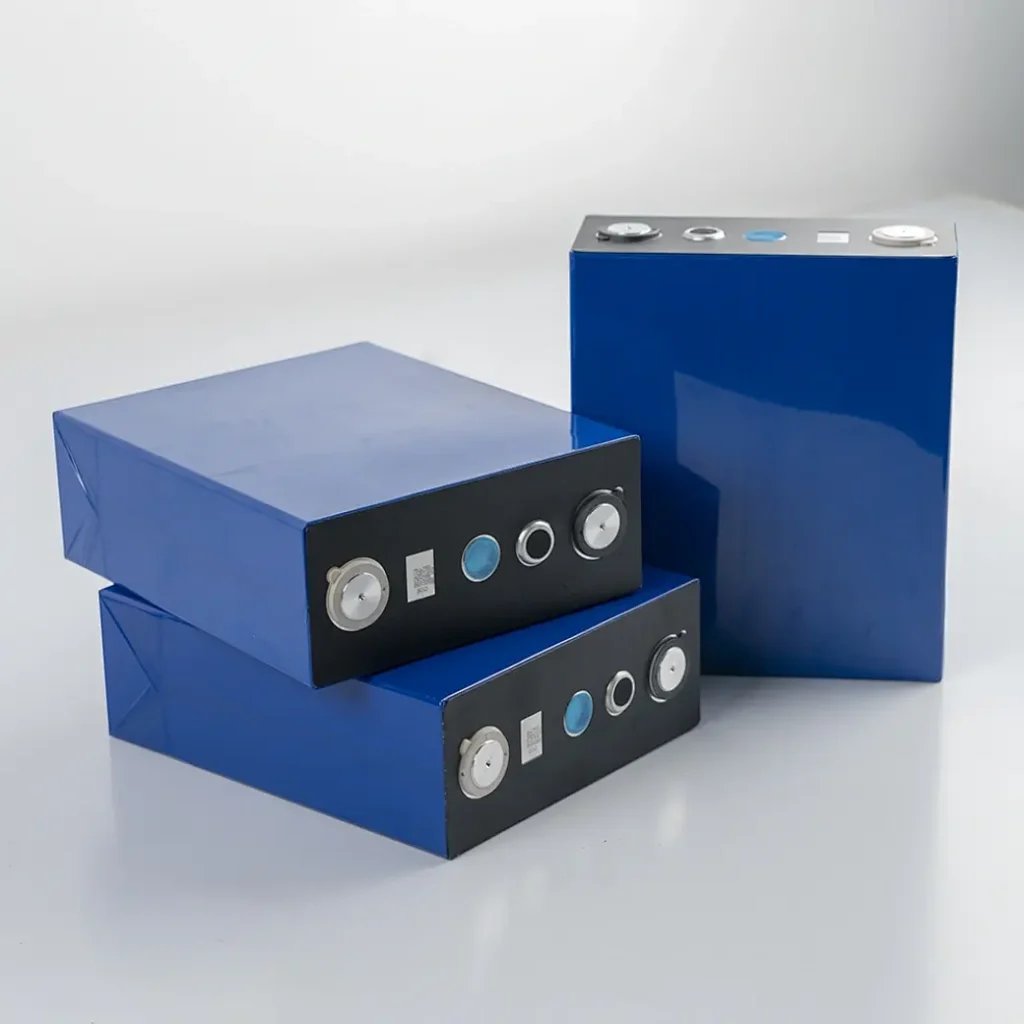
How Do LifePo4 Prismatic Cells Work?
LifePo4 prismatic batteries operate on the same principles as traditional lithium-ion batteries, consisting of four essential components: a cathode, an anode, an electrolyte, and a separator. The cathode is usually made of lithium iron phosphate, while the anode is typically constructed from porous carbon. During discharge, lithium ions migrate from the anode to the cathode through the electrolyte, generating an electrical current. Conversely, when charging, these ions return to the anode, reversing the process. This efficient ion transfer mechanism is crucial for the reliable and safe performance of our LifePo4 prismatic cells. At Seplos, we ensure that our cells are engineered for optimal efficiency and longevity.
This LiFePO4 prismatic cell technology also supports stable performance, efficient pack integration, and consistent operation across demanding energy storage applications.
How to Choose the Right LifePo4 Prismatic Battery
Selecting the right LifePo4 prismatic battery is essential for achieving optimal performance in your specific application. Start by assessing your energy requirements to ensure the battery meets your power needs. It is crucial to check that the cell’s voltage and capacity align with your application for proper compatibility. Additionally, consider the operational conditions, such as temperature range and charging/discharging cycles, to guarantee that the battery performs optimally. Safety ratings and certifications should also be reviewed to ensure reliability in critical situations. At Seplos, we offer a wide range of high-quality LifePo4 prismatic cells wholesale, helping you find the perfect solution for your needs.
Are LifePo4 Prismatic Cells Safe?
Safety is a top priority when it comes to battery technology, and LifePo4 prismatic cells excel in this regard. The lithium iron phosphate chemistry significantly reduces the risk of heat-induced explosions, providing a stable and reliable performance. Our LifePo4 prismatic batteries are designed to withstand various conditions, ensuring peace of mind for our customers. With rigorous testing and quality control, we guarantee that each battery meets the highest safety standards, making them an excellent choice for applications that demand reliability.
Conclusion
In conclusion, Seplos stands out as a trusted manufacturer of prismatic LifePo4 cell wholesale solutions. Our LifePo4 prismatic batteries are designed to deliver exceptional performance, safety, and longevity. By understanding how these cells work and how to select the right battery for your needs, you can make informed decisions that enhance your applications. Whether you are in the market for electric vehicle batteries, renewable energy storage, or other power solutions, we are here to provide you with the best products and services.
FAQs About LiFePO4 Prismatic Cell Technology
A LiFePO4 prismatic cell moves lithium ions between the anode and lithium iron phosphate cathode during charging and discharging. This electrochemical process stores and releases electrical energy while maintaining the stable characteristics associated with LiFePO4 chemistry.
The rectangular shape allows prismatic cells to use battery pack space efficiently and simplifies the construction of larger battery modules. This makes them particularly suitable for energy storage systems, electric vehicles, and other applications requiring high-capacity battery packs.
LiFePO4 chemistry is known for strong thermal and chemical stability. It generally has a lower risk of thermal runaway than several other lithium-ion chemistries, although proper BMS protection, cell matching, installation, and temperature management are still essential.
Check nominal voltage, capacity, internal resistance, cell consistency, cycle-life specifications, operating temperature range, manufacturing quality, and relevant test documentation. For battery pack projects, cell matching is especially important.
Yes. Their long cycle life, stable chemistry, relatively high safety, and ability to support repeated charging and discharging make LiFePO4 prismatic cells well suited to residential, commercial, and renewable energy storage systems.