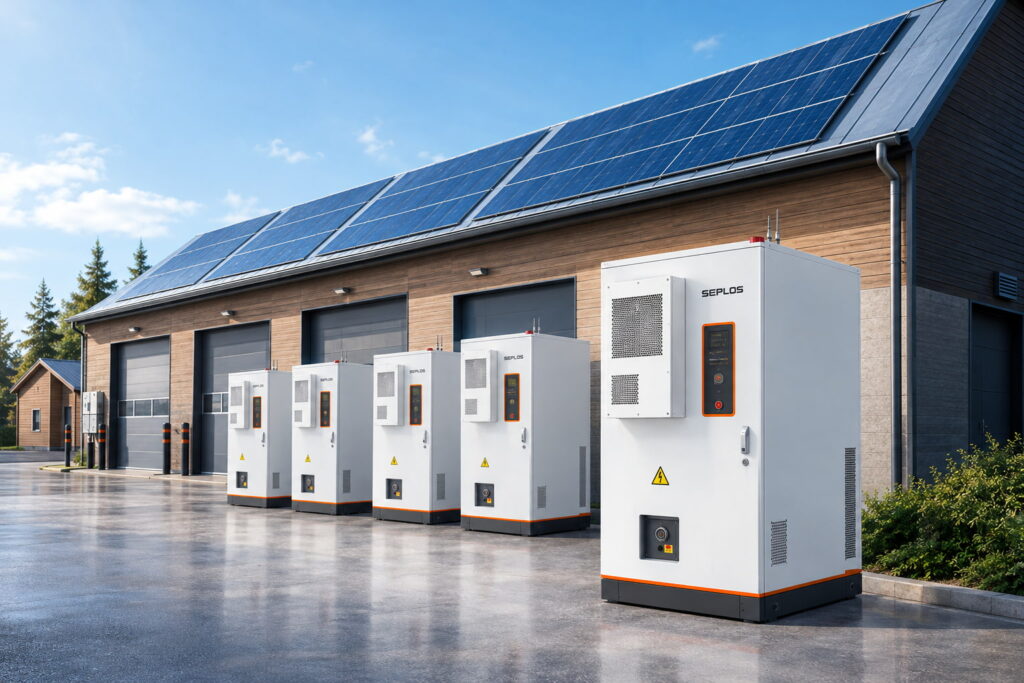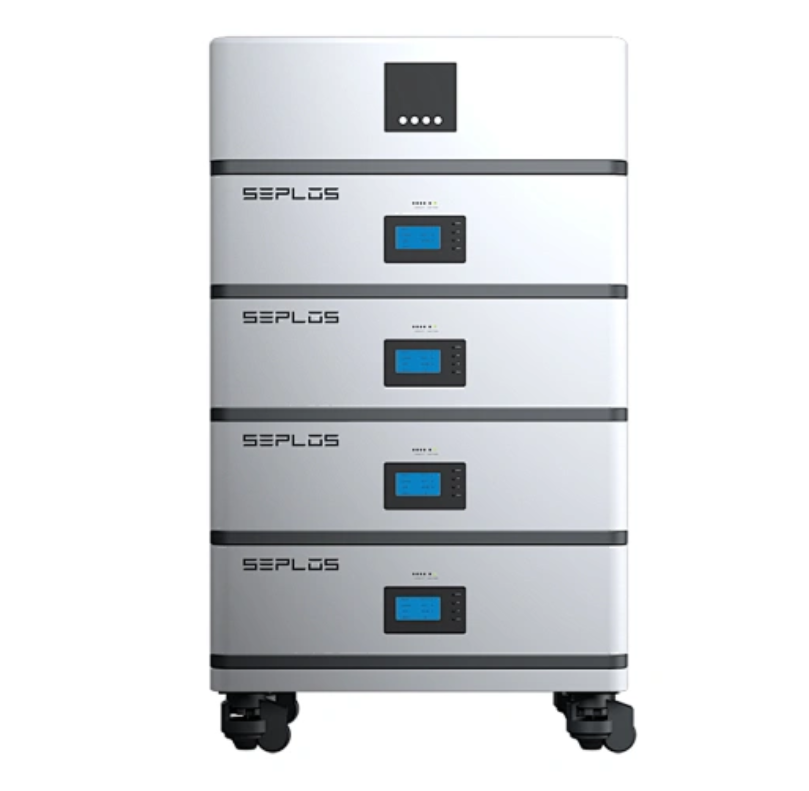
Among the various technologies Seplos offers, zinc-bromine batteries stand out for their unique advantages in renewable energy battery storage. These batteries are essential for maximizing efficiency and sustainability in energy management.
A zinc bromine battery is particularly attractive for stationary energy storage applications where long cycle life, operational safety, and repeated deep cycling are important considerations.

Exceptional Energy Density and Longevity
One of the primary benefits of zinc-bromine batteries is their impressive energy density. This characteristic allows them to store a substantial amount of energy in a relatively compact space, making them ideal for applications that require high storage capacity without significant physical footprints. Additionally, zinc-bromine batteries boast a long cycle life, often exceeding 10,000 cycles. This longevity means that users can rely on them for many years without significant degradation, making our ESS energy storage system a cost-effective solution for long-term energy needs.
At Seplos, we understand that longevity and reliability are crucial for our customers, and zinc-bromine technology meets these requirements excellently.
Enhanced Safety Features
Safety is a paramount concern in energy storage, and zinc-bromine batteries excel in this regard. Unlike some lithium-ion batteries, which can pose risks of overheating and fires, zinc-bromine batteries utilize a water-based electrolyte, significantly reducing the risk of thermal runaway.
In a zinc-bromine flow battery, energy is stored and released through reversible electrochemical reactions involving zinc and bromine. This operating principle is one reason bromine-based energy storage is considered for applications that require repeated charging and discharging over long operating periods. This safety feature makes them particularly suitable for large-scale applications and installations where safety is critical.
By incorporating zinc-bromine technology into our renewable energy battery storage solutions, we ensure that our customers can operate their systems with peace of mind, knowing that safety is built into the design.
Environmental Benefits
Zinc-bromine batteries are not only efficient but also environmentally friendly. The materials used in their construction are abundant and can be recycled, aligning with our commitment to sustainability at Seplos. As the world shifts towards greener energy solutions, integrating zinc-bromine batteries into our ESS energy storage system allows users to contribute to reducing their carbon footprints.
Using renewable energy battery storage solutions like zinc-bromine can help mitigate the reliance on fossil fuels, supporting a more sustainable energy future. At Seplos, we believe that every step towards sustainable energy is a step towards a healthier planet.
Conclusion
The benefits of zinc-bromine batteries make them an appealing option for energy storage solutions. Seplos‘ ESS energy storage system takes advantage of the unique characteristics of zinc-bromine technology, resulting in high energy density, increased safety, and environmental sustainability. Selecting our renewable energy battery storage solutions, users not only invest in dependable energy technology, but also contribute to a cleaner future. Together, we can create a more sustainable energy landscape.
FAQs About Zinc Bromine Batteries
A zinc bromine battery is an electrochemical energy storage technology that uses zinc and bromine-based chemistry to store and release electrical energy. It is primarily considered for stationary energy storage applications that require repeated charging and discharging.
Key advantages include long cycle life, strong deep-discharge capability, reduced thermal runaway risk compared with some battery chemistries, and suitability for long-duration stationary energy storage applications.
Zinc bromine flow batteries store energy through reversible electrochemical reactions between zinc and bromine species. During charging and discharging, these reactions convert electrical energy into stored chemical energy and back into electricity when required.
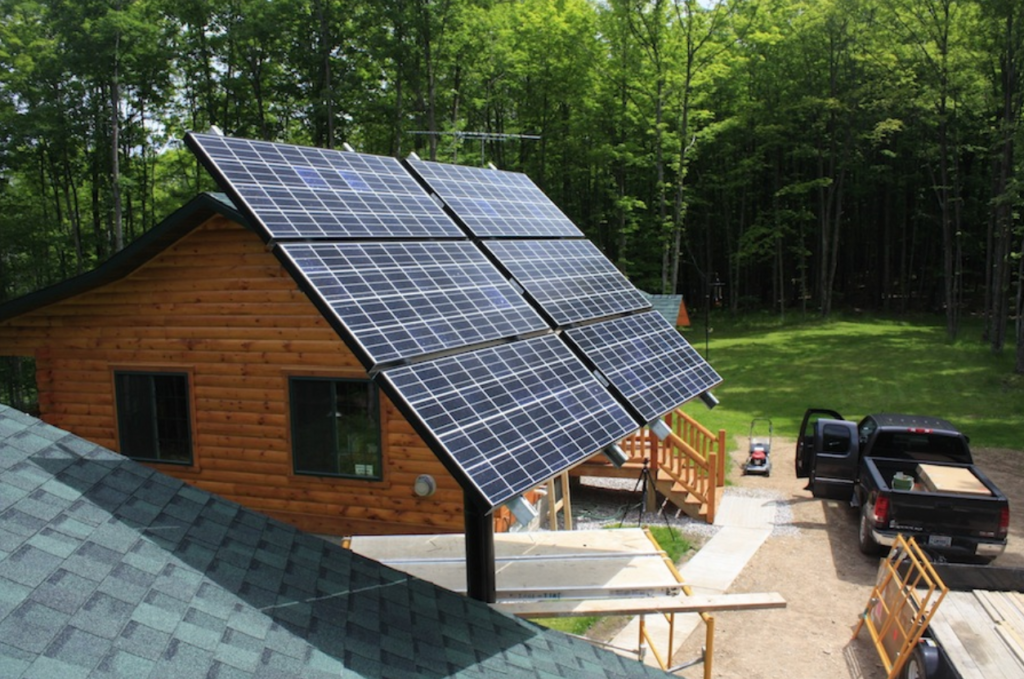
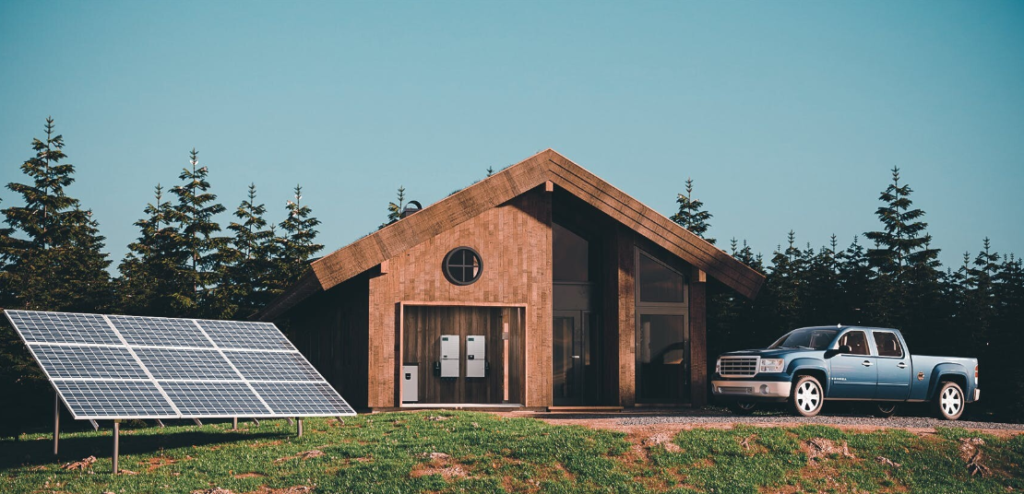
Yes. They can be used with intermittent renewable energy sources such as solar and wind to store excess generation and release it when production is low or electricity demand increases.
Potential applications include renewable energy integration, commercial and industrial energy storage, microgrids, peak shifting, backup power, and other stationary applications that require frequent cycling.