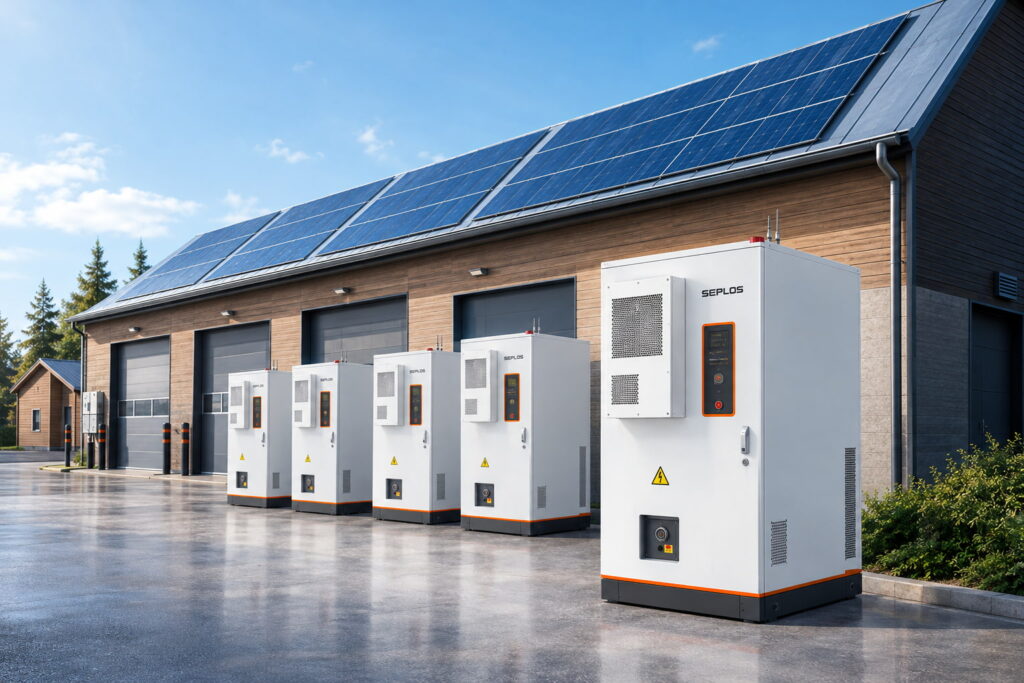
To ensure the reliable and efficient operation of lithium batteries in cold environments, Seplos has developed a battery heating pad specifically designed for the Mason 280 battery pack.
This battery heating pad configuration helps maintain stable battery temperature and improves charging performance for LiFePO4 energy storage systems operating in cold climates. This heating pad integrates good heating performance and durable materials to maintain optimal battery temperatures in harsh conditions.
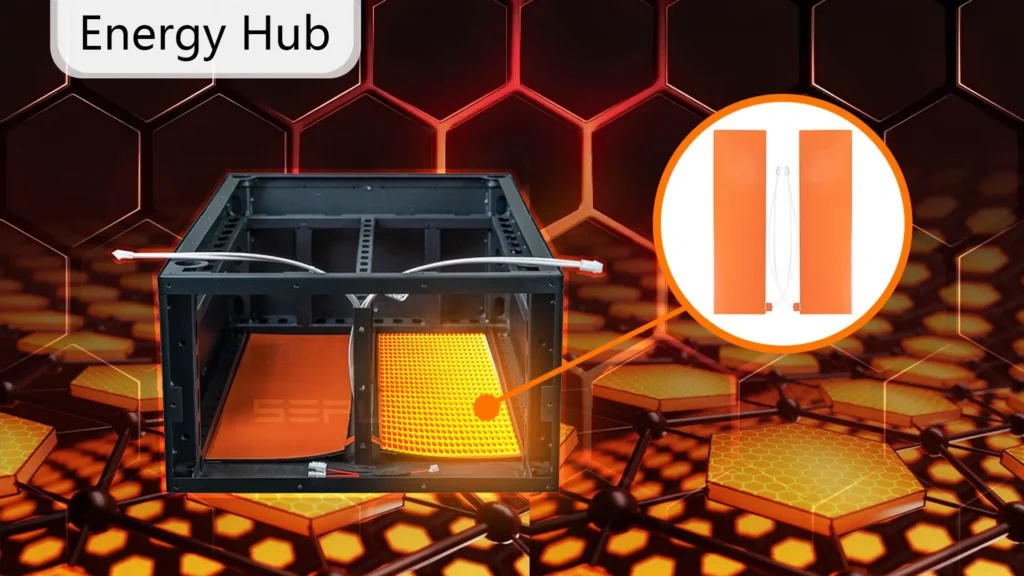
1. Application Background
The Seplos Mason 280 is a high-capacity energy storage battery system widely used in home energy storage. In low-temperature environments, lithium batteries suffer from reduced performance and charging efficiency.
A properly designed LiFePO4 heating pad can reduce the impact of cold temperatures and support more reliable battery operation during winter conditions. To address this issue, the heating pad is integrated inside the battery enclosure, providing automatic heating during cold weather.
2. Core Technical Specifications
Heater configuration per battery box: 2 pads
Maximum total power: 200W
Power density: 0.104W/cm²
Temperature rise rate: Approx. 5.9°C/hour
Individual heating pad parameters:
| Item | Specification |
| Rated Voltage | 51.2V DC |
| Voltage Range | 43.2V ~ 57.6V |
| Maximum Power | ≤100W |
| Rated Current | 1.736A |
| Resistance | 33.18Ω ±5% |
3. Structure and Material Composition
The heater pad features a multi-layer composite structure designed for optimal thermal conduction and mechanical durability:
Silicone rubber (0.6mm) + Heating element (0.1mm) + Silicone encapsulation (0.6mm)
Double-sided adhesive (0.15mm × 2) + CR foam (3.0mm)
Total thickness: 4.6 ± 0.3mm
The adhesive is strong and durable, ensuring no delamination or cracking during long-term use. No surface cracking is allowed within 8 years.
4. Manufacturing and Quality Standards
Appearance: Smooth, clean surface with no wrinkles, scratches, dents, or stains
Flame Retardancy: Complies with GB/T 2408-2008 standards
Vertical: V-0, Horizontal: HB
Heat resistance ≥ 200°C
Wire Specifications: UL3135 standard, AWG20 red silicone wire, soft copper core, high-temperature resistant
Terminal Protection: Covered with white silicone sleeves, with exposed length ≤ 2mm
Sleeves must have high abrasion resistance and internal fiberglass reinforcement
Bending or twisting is strictly prohibited
5. Electrical and Environmental Performance
Solder joints: Smooth, firm, with no protrusions or sharp edges
Dielectric Strength: Withstands DC 500V for 1 minute
Insulation Resistance: ≥500MΩ at DC 1000V
Wire tensile strength: 30–50N
6. Environmental Compliance
All materials used are ROHS compliant, ensuring safety and environmental friendliness for global market acceptance.
Summary
This custom-designed heating pad is an integral accessory for the Seplos Mason 280 battery system, providing stable and efficient heating performance in cold climates. The battery configuration heater pad design ensures consistent thermal management between battery cells and helps protect overall energy storage performance.
With excellent thermal conductivity, long-term reliability, and environmentally friendly design, it is ideal for applications such as power backup systems in cold regions. It plays a critical role in maintaining battery performance and longevity in winter and harsh environments.
Need a reliable battery heating solution for your Seplos Mason 280 energy storage system? Contact Seplos for technical support and customized energy storage solutions.
FAQs About Battery Heating Pad for Seplos Mason 280
The battery heating pad helps maintain optimal battery temperature in cold environments, improving charging efficiency and supporting reliable operation of lithium battery systems.
A LiFePO4 heating pad provides controlled heating to reduce low-temperature performance issues, helping batteries maintain better charging and discharging capability.
Each heating pad supports up to 100W power, with two pads installed per battery box, providing a total heating capacity of up to 200W.
Yes. The heating pad is designed for cold climate applications and helps maintain stable battery temperature in harsh environmental conditions.
The heating pad uses a durable multi-layer structure with silicone materials and reliable insulation design to support long-term operation.