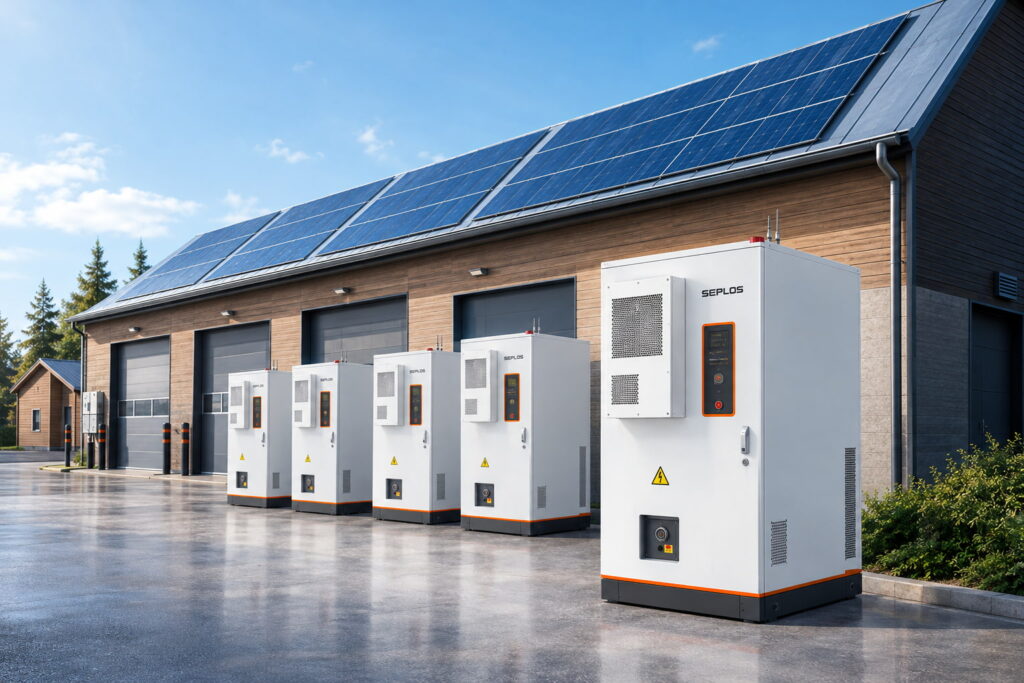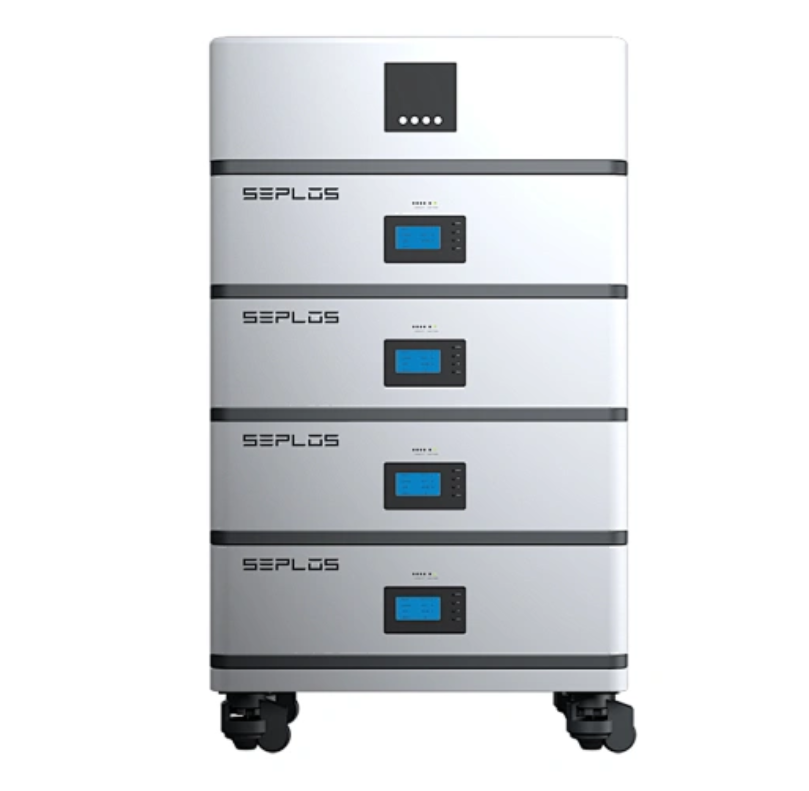
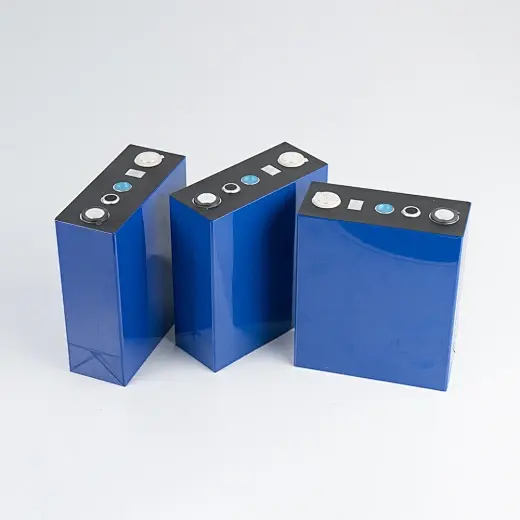
For prismatic LifePo4 cell wholesale, at Seplos, we are committed to redefining energy storage solutions through cutting-edge sodium-ion (SIB) technology. Our 3.1V 210Ah prismatic sodium-ion cells represent a leap forward in performance, safety, and adaptability, making them ideal for businesses seeking reliable, large-scale energy storage systems. Designed to meet the demands of diverse climates and industrial applications, these cells offer a sustainable and cost-effective alternative to traditional lithium-based batteries.
For projects evaluating a sodium ion prismatic cell, the 210Ah format combines practical pack integration with wide-temperature operation, long cycle life, and scalable stationary energy storage capability.
Unmatched Performance in Extreme Conditions
One of the standout features of our sodium-ion cells is their ability to operate seamlessly across a wide temperature range (-40°C to 60°C). Unlike conventional lithium iron phosphate (LFP) batteries, which struggle in extreme environments, our cells maintain stable performance even in regions with harsh winters or scorching summers. This resilience ensures uninterrupted energy storage for off-grid systems, telecommunications infrastructure, and renewable energy projects, regardless of geographic challenges.
Enhanced Safety: A Game-Changer for Industrial Applications
Safety is non-negotiable in large-scale LifePo4 prismatic battery. Sodium-ion chemistry inherently reduces risks associated with thermal runaway and gas emissions. Our cells can be safely discharged to 0V without over-discharge damage and release significantly fewer flammable gases compared to LFP batteries. This makes them a safer choice for densely populated areas, industrial facilities, and mission-critical applications where reliability and risk mitigation are paramount.
Longevity and Cost Efficiency
With a cycle life exceeding 4,000 cycles, Seplos sodium-ion cells deliver long-term value for partners. Their durability translates to reduced replacement costs and lower total ownership expenses over time. Additionally, sodium is more abundant and cost-effective than lithium, offering a sustainable solution amid rising raw material prices. By choosing our cells, businesses can future-proof their energy storage investments while aligning with global sustainability goals.
Technical Excellence: Precision Engineering for Scalability
Each 210Ah cell is engineered for precision:
– Nominal Voltage: 3.1V
– Energy Density: ≥140 Wh/kg (compact and lightweight at 4.5kg)
– Dimensions: 173mm x 71mm x 204mm (optimized for modular systems)
– Fast Discharge: Supports 0.5C continuous current with minimal temperature rise.
When comparing prismatic sodium-ion batteries for stationary storage, buyers should evaluate usable capacity, operating temperature, cycle life, cell dimensions, and BMS compatibility together rather than focusing on energy density alone.
Streamlined Supply Chain for Bulk Orders
We understand the importance of timely delivery for large projects. With a minimum order quantity (MOQ) of 16 units and a production capacity of 10,000 cells per month, Seplos guarantees consistent supply to meet your deadlines. Our 30-day stock readiness and manufacturing hub ensure competitive pricing and logistical efficiency, even for urgent orders.
Partner with Seplos: Your Trusted Energy Storage Ally
For businesses seeking a reliable, high-performance energy storage partner, Seplos offers more than just products—we provide end-to-end collaboration. From custom pack designs to technical support, our team is dedicated to helping you optimize systems for your unique applications.
Conclusion
Join global leaders who trust Seplos sodium-ion technology to power their energy storage solutions. Contact us today to discuss bulk pricing, customization options, and how we can support your next large-scale project. Together, let’s build a smarter, safer energy future.
FAQs About Sodium Ion Prismatic Cells
A sodium ion prismatic cell is a rechargeable battery cell that uses sodium ions as charge carriers and packages the electrochemical components in a rectangular enclosure. The prismatic format is well suited to modular battery packs because it simplifies mechanical arrangement and system integration.
Sodium-ion batteries generally offer advantages in raw-material availability, low-temperature performance, and potentially lower material costs, while LFP batteries currently offer higher energy density and a more mature supply chain. The better choice depends on application requirements rather than chemistry alone.
Yes. Their cycle life, thermal stability, wide operating-temperature range, and modular format make them suitable for stationary energy storage, renewable energy integration, telecom backup, off-grid systems, and selected industrial applications.
Buyers should review nominal voltage, usable capacity, cycle life, charge and discharge limits, temperature range, internal resistance, cell dimensions, consistency between production batches, certification, and compatibility with the intended BMS and pack architecture.
Not automatically. Sodium-ion chemistry can require different voltage thresholds, SOC algorithms, protection settings, and charging parameters, so the BMS must specifically support the electrical characteristics of the selected sodium-ion cell.