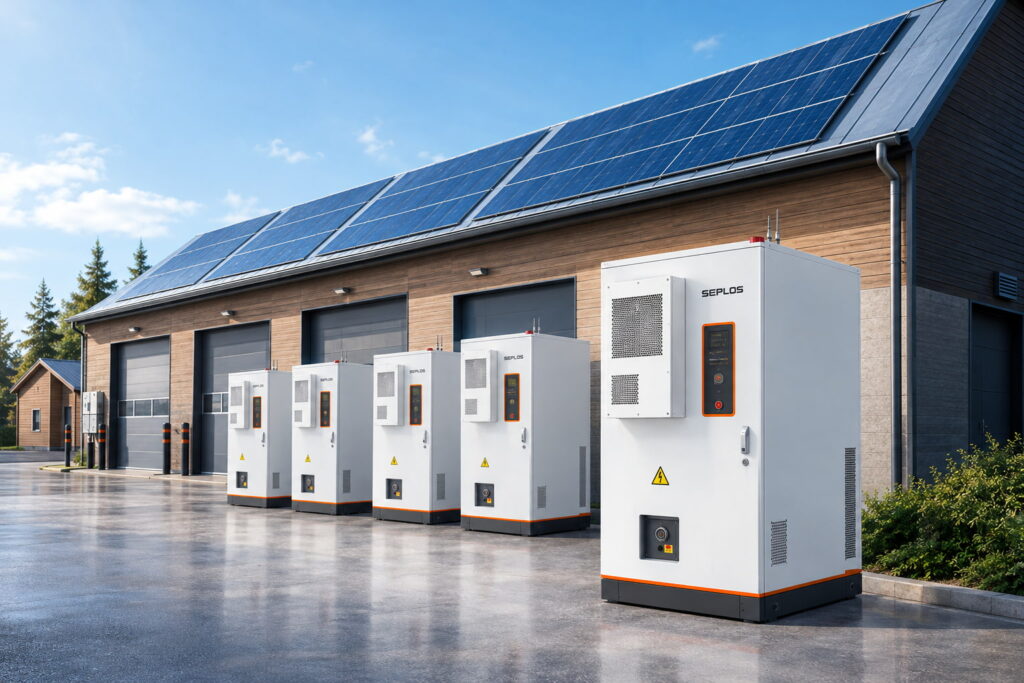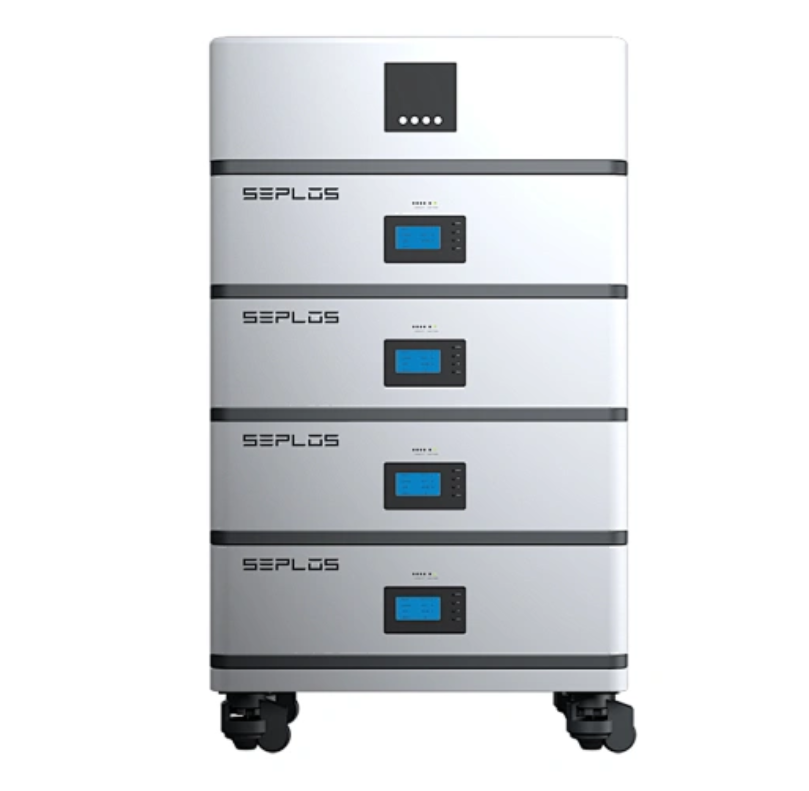
At Seplos, we are dedicated to providing innovative technology that addresses the changing needs of energy storage solutions. Our 36S High Voltage Battery Management System (BMS) is tailored for solar storage applications, guaranteeing safety, efficiency, and reliability for our partners. With a minimum order requirement of 100 pieces and the capacity to supply up to 10,000 units, we are well-equipped to fulfill the demands of businesses in search of top-quality battery management systems.
For industrial integrators, a 36S BMS provides the cell-level monitoring and coordinated protection required to manage larger high-voltage lithium battery configurations safely.

Comprehensive Protection with BCU
The BCU (Battery Control Unit) is the cornerstone of our battery management system for LifePo4, supporting up to 270 series LiFePO4 battery modules. Its primary function is to provide comprehensive protection against common battery failures, including overcharging, over-discharging, overcurrent, and thermal issues. Our BCU features a multi-level alarm mechanism, ensuring that any potential problems are detected and addressed promptly. This level of protection is essential for businesses that prioritize safety and operational integrity in their energy solutions.
Real-Time Monitoring with BMU
The BMU (Battery Monitoring Unit) is integral to our LifePo4 battery BMS, offering precise real-time monitoring of individual cell voltage and temperature. By utilizing advanced RS485 and CAN communication protocols, the BMU communicates seamlessly with the BCU to upload critical battery data. We understand that accurate data is vital for effective battery management; therefore, our BMU boasts a static voltage sampling accuracy of less than 5mV across a wide temperature range. This capability is crucial for maintaining optimal performance in various lithium battery chemistries, including lithium iron phosphate and ternary batteries.
Innovative Cooling Solutions
Thermal management is a key factor in the safe operation of battery systems, which is why we have integrated a FAN component into our BMS. The fan actively cools the battery modules, significantly reducing the risk of thermal runaway—a common concern in high-capacity battery systems. By ensuring that the battery modules operate within safe temperature limits, we enhance the reliability and longevity of the energy storage system, a feature that is especially appealing to businesses looking to invest in long-term solutions.
Meeting Industry Standards
We understand the importance of compliance and certification in the energy sector. Our 36S High Voltage BMS meets CLASS B conduction, radiation EMC, and safety certification requirements. With support for a 1500V system, our BMS is built to handle high-voltage applications with ease.
This makes the Seplos high voltage BMS suitable for energy storage projects where centralized monitoring, protection, and reliable communication are required across large battery configurations. We are committed to providing our partners with products that not only meet but exceed industry standards, ensuring peace of mind and promoting trust in our brand.
Conclusion: Partner with Seplos for Quality and Reliability
In conclusion, our 36S High Voltage BMS is an excellent choice for businesses seeking a robust, efficient, and safe battery management solution. With features like individual cell voltage detection, temperature monitoring, and passive balancing, we are confident that our BMS will meet your operational needs. We invite you to partner with us to leverage these advanced technologies for your energy storage solutions, ensuring your business remains at the forefront of the renewable energy market.
FAQs About 36S Battery Management Systems
A 36S BMS monitors and manages up to 36 series-connected cells within a battery monitoring section, tracking parameters such as cell voltage and temperature while coordinating protection, balancing, and communication with the main battery control unit.
A 36S battery management system is commonly used in high-voltage energy storage, commercial battery systems, industrial backup power, solar storage, and other applications that require centralized monitoring of large lithium battery configurations.
The BMU collects cell-level voltage and temperature data, while the BCU processes this information and manages system-level protection, alarms, communication, and operating decisions. Together, they provide coordinated control across the battery system.
Yes. The Seplos system supports CAN and RS485 communication, allowing battery information to be exchanged with control units, energy management systems, inverters, and other compatible equipment.
Temperature directly affects battery safety, performance, and lifespan. Thermal monitoring and controlled cooling help prevent overheating and allow the BMS to respond when cell or component temperatures approach unsafe operating limits.