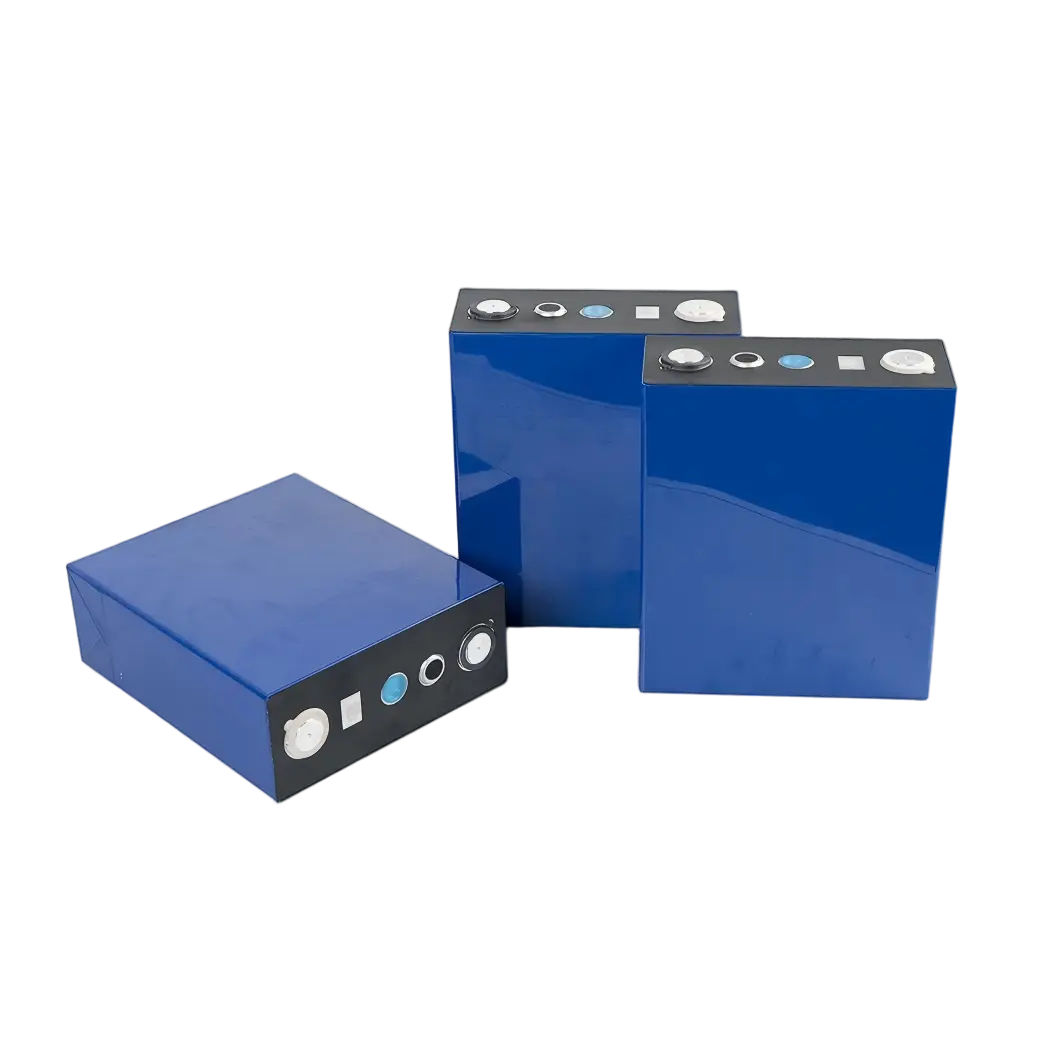
Review the most important electrical, physical and operating parameters before moving into the full technical specification table.
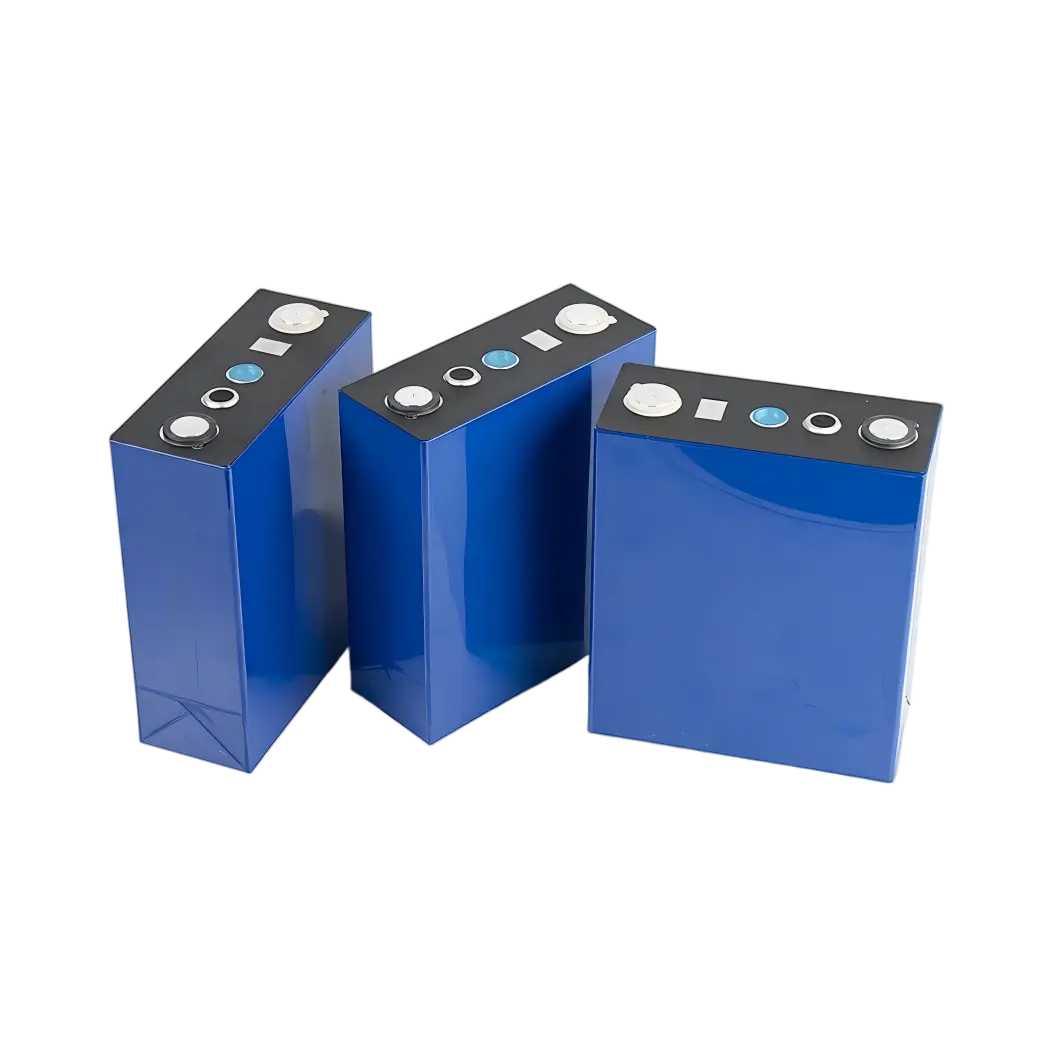
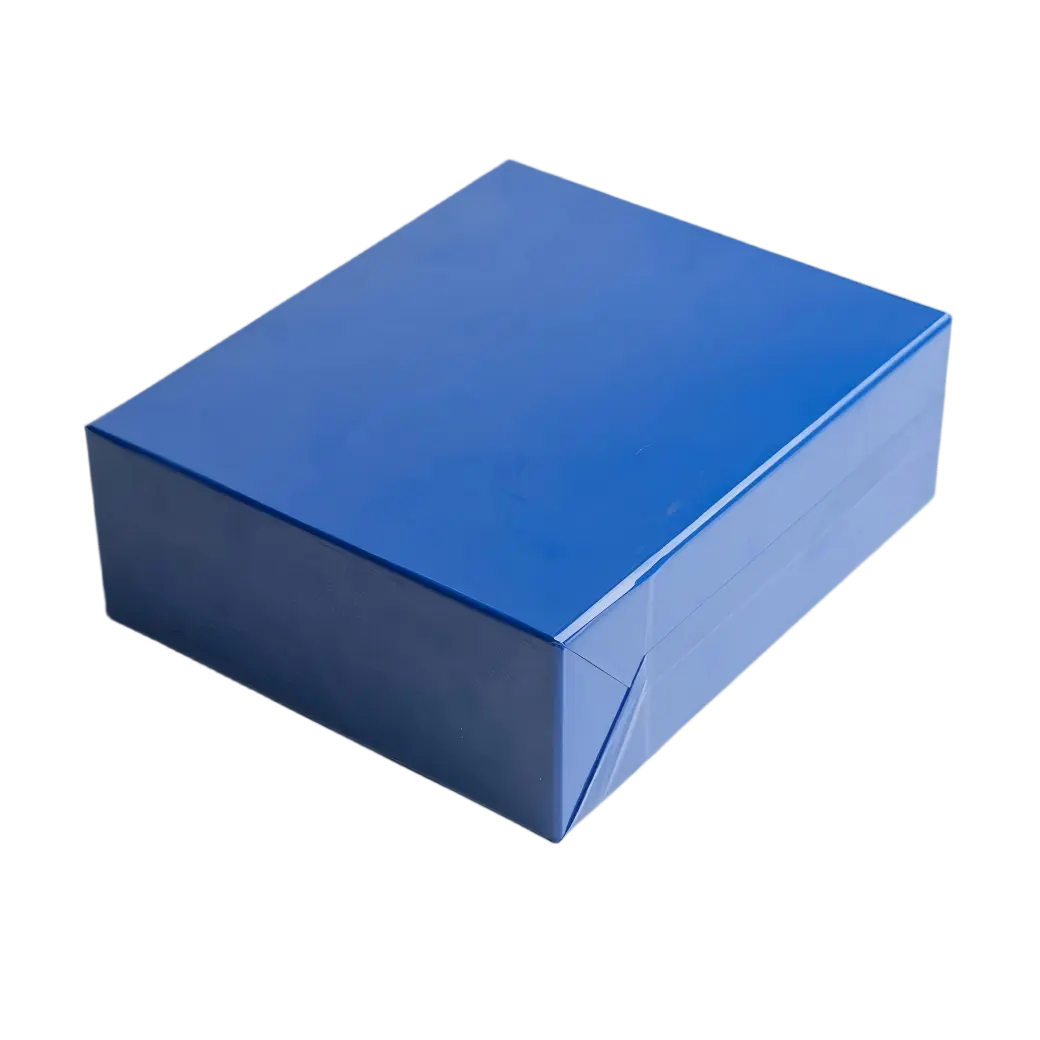
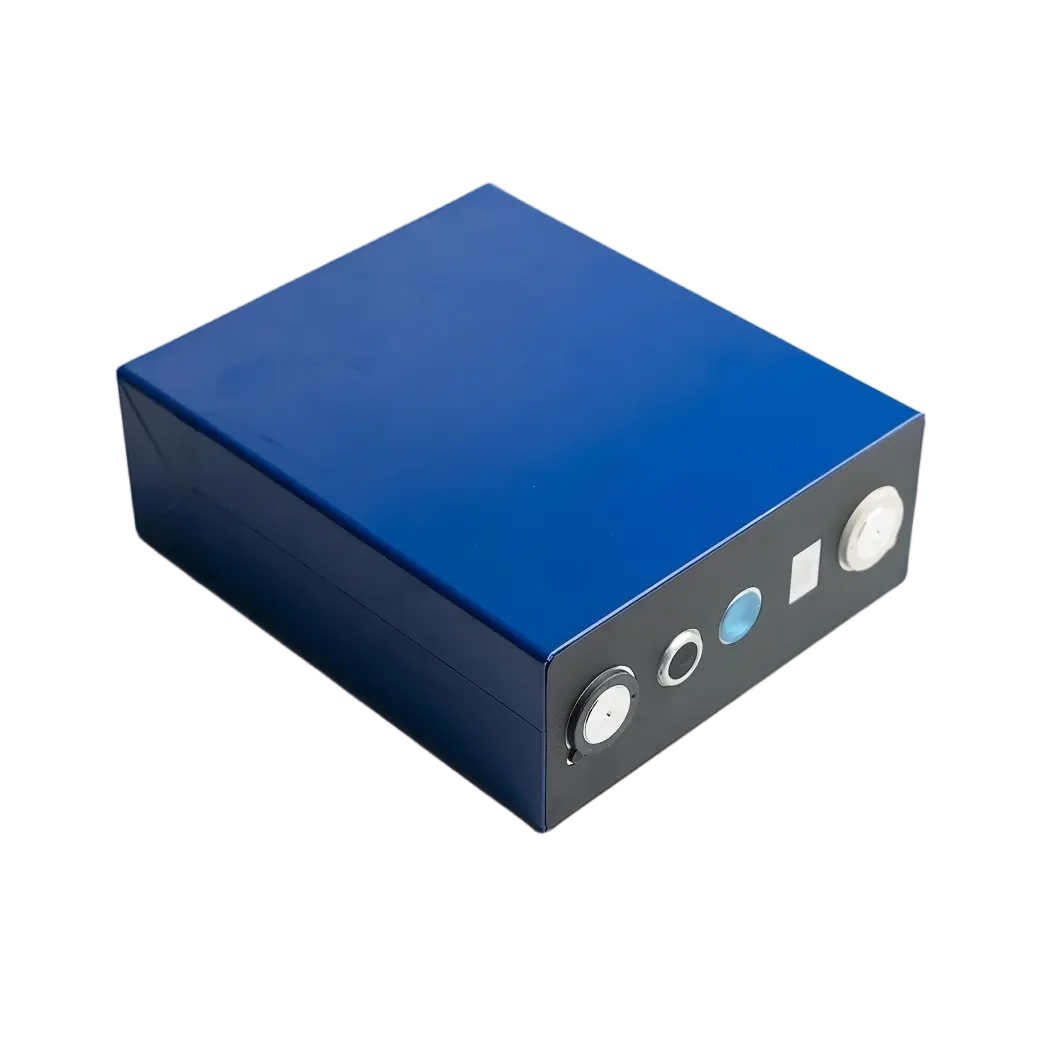
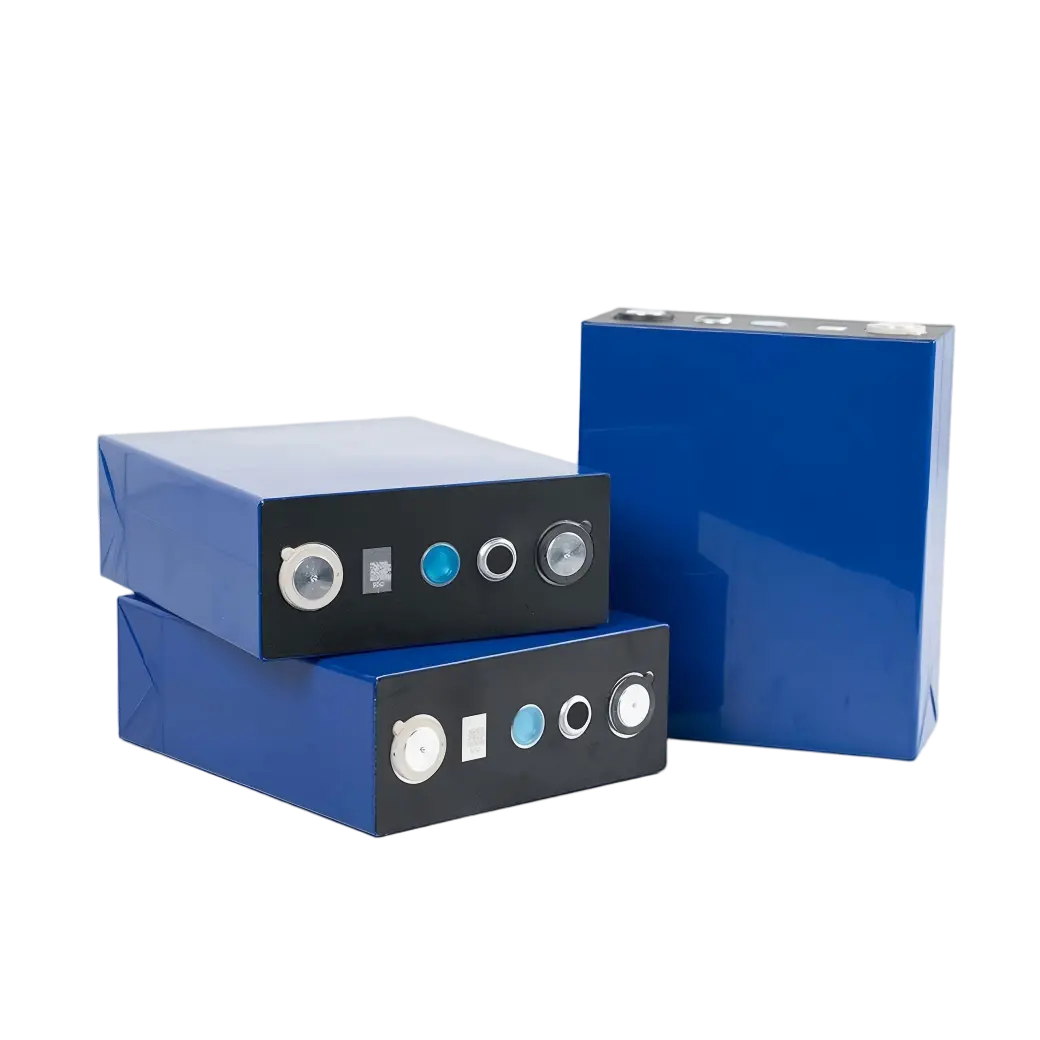
The Seplos 3.1V 210Ah sodium-ion battery cell is a Grade A prismatic cell developed for stationary energy storage systems that require reliable performance across challenging temperature conditions. With 210Ah rated capacity, ≥140Wh/kg energy density and a compact prismatic format, it provides a practical alternative chemistry for modern ESS projects.
Its sodium-ion chemistry is particularly suited to cold-climate and temperature-sensitive energy storage applications, while long cycle performance and strong discharge capability support commercial, industrial, renewable energy and backup power systems.
Designed for reliable discharge performance from -40°C to 60°C, making it suitable for energy storage systems deployed in demanding climates.
Long cycle performance supports stationary energy storage applications where service life and total ownership cost are important.
Sodium-ion chemistry provides strong thermal stability and reduced flammable-gas risk for stationary battery system applications.
≥140Wh/kg energy density and a 210Ah prismatic format support efficient integration into modular battery and ESS architectures.
Review the key sodium-ion battery specifications—including nominal voltage, rated capacity, cell dimensions, weight, energy density, cycle life, and charging and discharging temperature limits—before confirming pack configuration and system design.
Electrical, physical and temperature performance data for energy storage system evaluation.
| Parameter | Specification | Notes |
|---|---|---|
| Cell Chemistry | Sodium-Ion | Prismatic rechargeable cell |
| Nominal Capacity | 210Ah | 0.50C at 25±3°C |
| Nominal Voltage | ≈3.10V | / |
| Cell Dimensions | 173.60 × 71.25 × 204.30 mm | ±0.50 mm |
| Energy Density | ≥140Wh/kg | / |
| Battery Weight | 4.50 ± 0.50 kg | / |
| Cycle Life | 4000+ Cycles | Cycle life depends on charge rate, temperature and depth of discharge |
| Storage Conditions | -20°C–60°C | Charged state at shipment; ventilated and protected from direct sunlight |
| Charging Performance | ≤ -20°C | Charging not recommended |
| -20°C–0°C | ≤0.20C | |
| 0°C–45°C | ≤0.50C | |
| ≥45°C | Charging not recommended | |
| Discharging Performance | ≤ -40°C | Performance may be affected |
| -40°C–0°C | ≤0.20C | |
| 0°C–45°C | 0.20C–3.0C | |
| 45°C–60°C | ≤0.20C | |
| ≥60°C | Performance may be affected | |
| Instantaneous Maximum Discharge | 1.00C | Duration ≤10s |
Focus on only the strongest product-specific reasons so different battery cell chemistries can use the same structure without adding unnecessary content.
Wide-temperature discharge capability makes this sodium-ion cell particularly suitable for cold-climate and demanding stationary energy storage environments.
4000+ cycle performance supports commercial and renewable energy storage projects that require dependable long-term operation.
Prismatic construction, Grade A cell quality and sodium-ion chemistry support integration into modular stationary battery and BESS architectures.
Application cards can change by product while the overall layout remains consistent.
Stationary battery systems deployed in regions where reliable low-temperature discharge performance is required.
Energy storage for factories, commercial facilities and distributed power systems requiring alternative battery chemistry.
Battery systems paired with solar, wind and off-grid renewable generation for dependable energy storage.
Stationary backup storage for telecommunications infrastructure and other critical power applications.
Share your target voltage, capacity, application and project quantity. Seplos can help confirm suitable battery cells and compatible BMS solutions.
Your project information will only be used to evaluate your inquiry and provide relevant product or technical support.