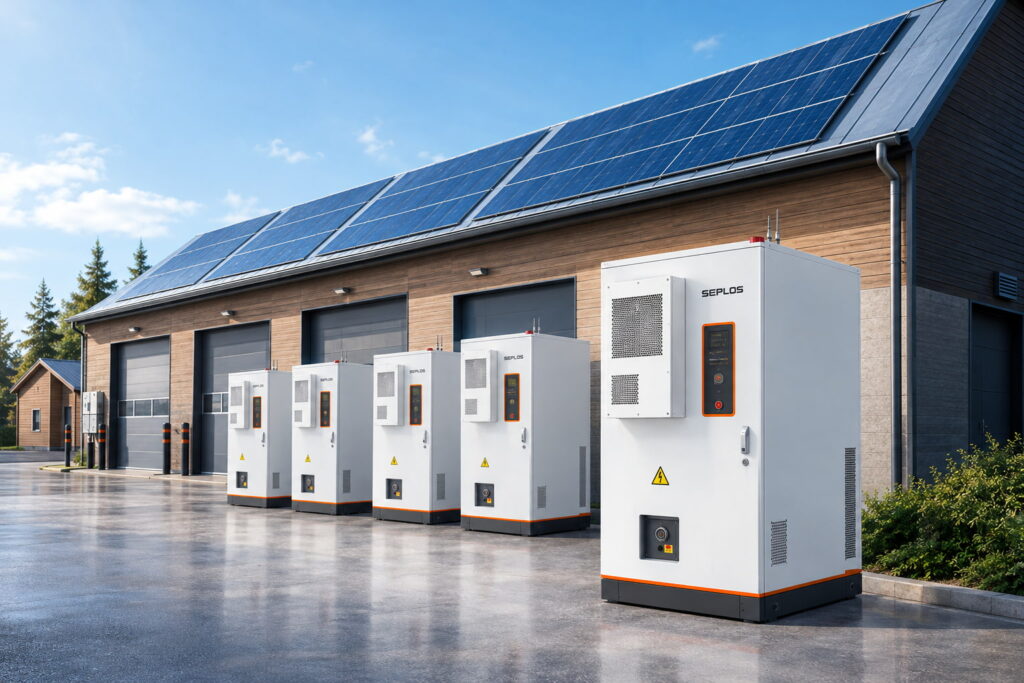
Concerns around safety have always surrounded the adoption of battery energy storage systems (BESS). From fire hazards to thermal instability, early-generation storage technologies understandably drew caution. However, as innovation in the energy sector continues to advance, so too does the safety and reliability of these systems — particularly those developed with purpose-built features for residential and industrial use.

In today’s energy landscape, battery energy storage systems BESS are no longer experimental. They are essential, trusted, and increasingly safe. At the center of this transformation are forward-looking technologies and manufacturing standards set by industry pioneers like Seplos. With every product innovation, the goal remains clear: energy must be both efficient and secure.
Understanding the Core Safety Features of Modern BESS
Over the past decade, battery energy storage systems BESS have undergone a profound evolution in design and safety. Thanks to smart components, integrated safety protocols, and materials like lithium iron phosphate (LiFePO4), today’s systems can operate with exceptional stability even under demanding conditions.
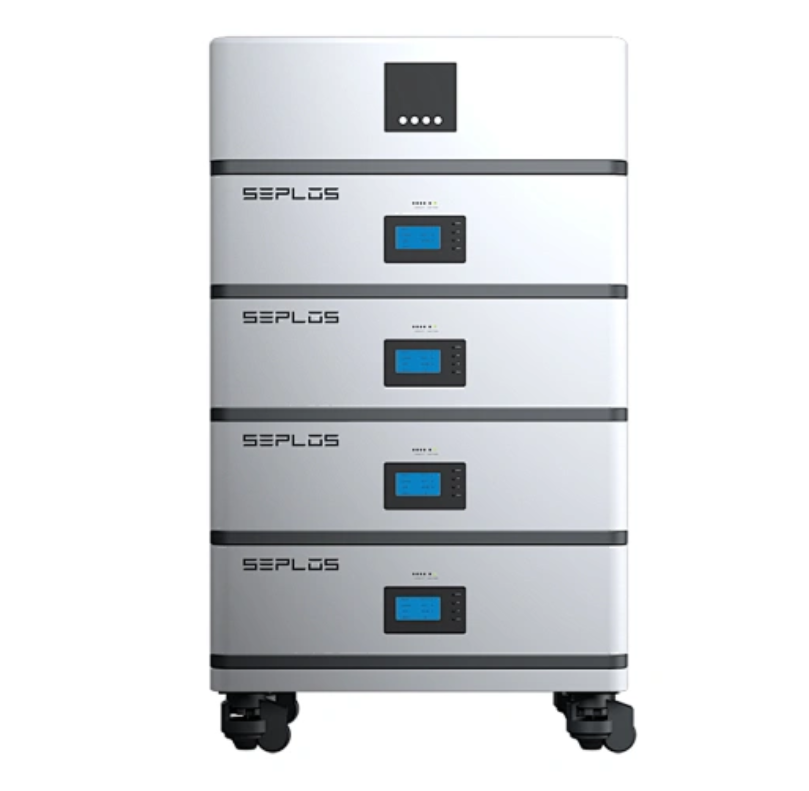
Seplos has placed safety at the core of every development cycle. Consider the Seplos Mason 560 48V Energy Storage System. Engineered for home, commercial, and off-grid applications, the system isn’t just about energy capacity — although it delivers an impressive 32kWh. It’s also a testament to how modern energy storage can prioritize durability and risk prevention.
One of the most critical safety components of the Mason 560 is its smart cooling fan, which works in conjunction with precision-engineered honeycomb vents. These features are not just aesthetic upgrades — they actively prevent heat build-up, reduce mechanical wear, and extend the system’s lifespan.
Further reinforcing its safety profile, the system integrates an internal aerosol fire suppression system. In case of extreme thermal activity, this feature activates automatically to mitigate risks before they escalate. Paired with a high-grade circuit breaker, it creates a robust first line of defense against system damage or power disruptions.
Why Confidence in BESS Safety Is at an All-Time High
Safety in battery energy storage systems BESS isn’t a promise — it’s a measurable outcome built through engineering excellence and rigorous testing. Seplos takes a proactive approach to every product it brings to market, setting a high standard for both performance and protection.
In real-world applications, the Seplos Mason 560 has demonstrated remarkable consistency across multiple environments, including industrial, commercial, and residential deployments. Whether powering a remote home off-grid or acting as a reserve during peak demand periods, its performance remains stable and secure.
The industry as a whole has begun to shift its perspective. What once seemed risky is now widely accepted as reliable. Much of this change can be credited to design-first thinking, integrated protections, and companies committed to evolving energy technologies.
For stakeholders seeking dependable, high-capacity energy solutions, battery energy storage systems BESS have become not just a viable option, but a preferred one. And with advancements like those found in the Mason 560, users can rest assured that safety isn’t an afterthought — it’s a guarantee.
Seplos, a trusted name in battery innovation, continues to lead with integrity, craftsmanship, and a commitment to safe, sustainable solutions. As a partner in energy transformation, Seplos helps redefine what’s possible in power management — one system at a time.
FAQs About Battery Energy Storage System Safety
Modern battery energy storage systems are designed with advanced safety features such as battery management systems, thermal control, and fire protection technologies to improve reliability and prevent safety risks.
Modern BESS solutions use safer battery chemistry such as LiFePO4, improved monitoring systems, and integrated protection features to reduce risks related to overheating and thermal instability.
LiFePO4 batteries provide excellent thermal stability, longer cycle life, and lower risk of thermal runaway compared with some traditional lithium battery chemistries.
A reliable BESS should include a battery management system (BMS), temperature monitoring, circuit protection, cooling solutions, and fire suppression mechanisms.
Seplos integrates safety technologies including smart cooling systems, circuit breakers, LiFePO4 battery cells, and aerosol fire suppression systems to enhance system protection and reliability.