Welcome to SEPLOS
Sign in to access product documents, firmware, manuals and technical resources.
New to SEPLOS?
Create an Account
Sign in to access product documents, firmware, manuals and technical resources.
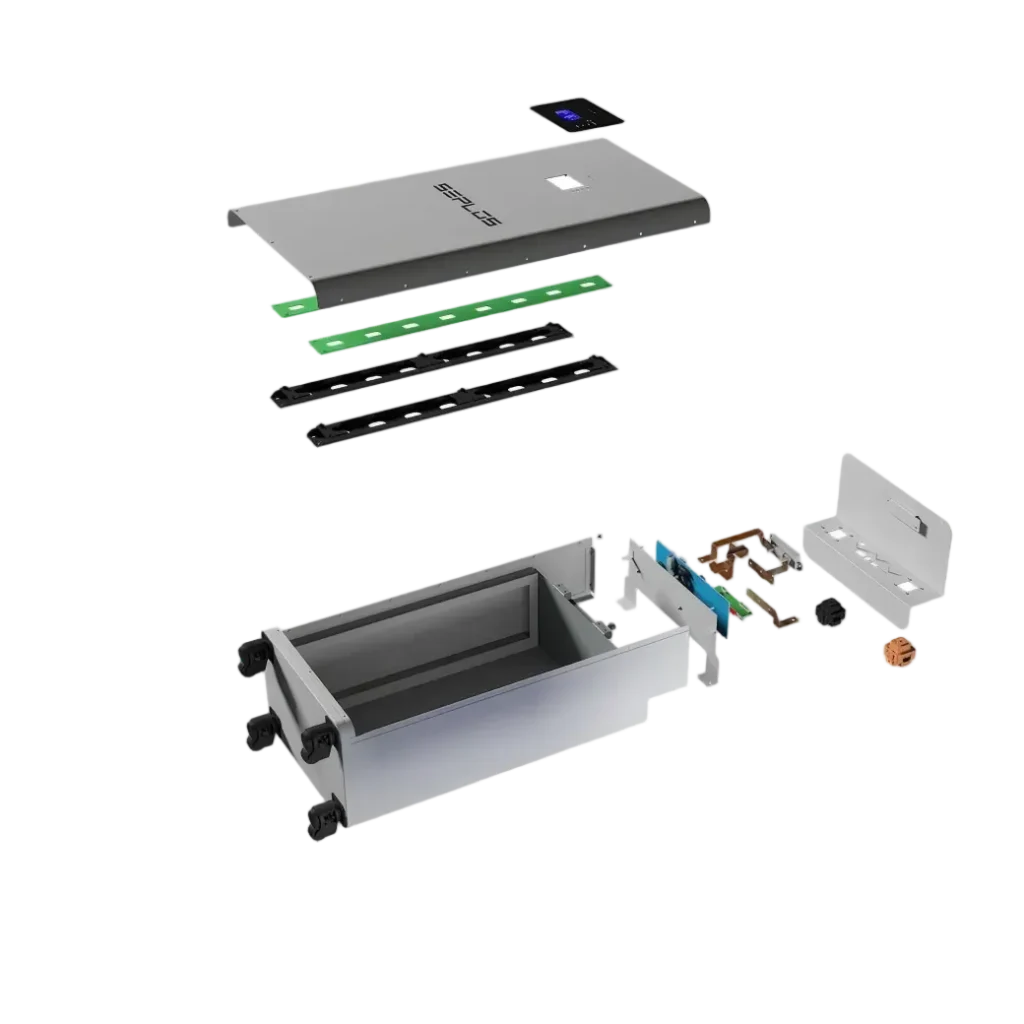
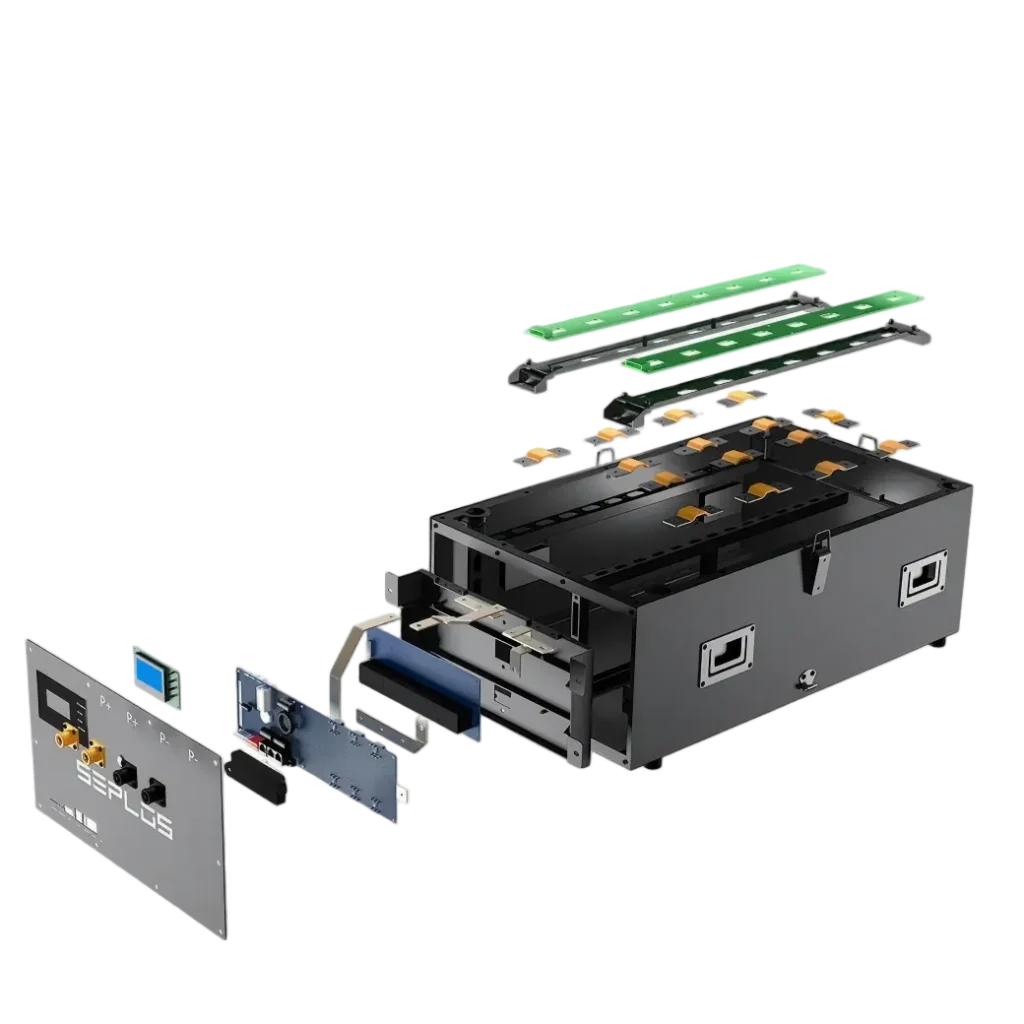
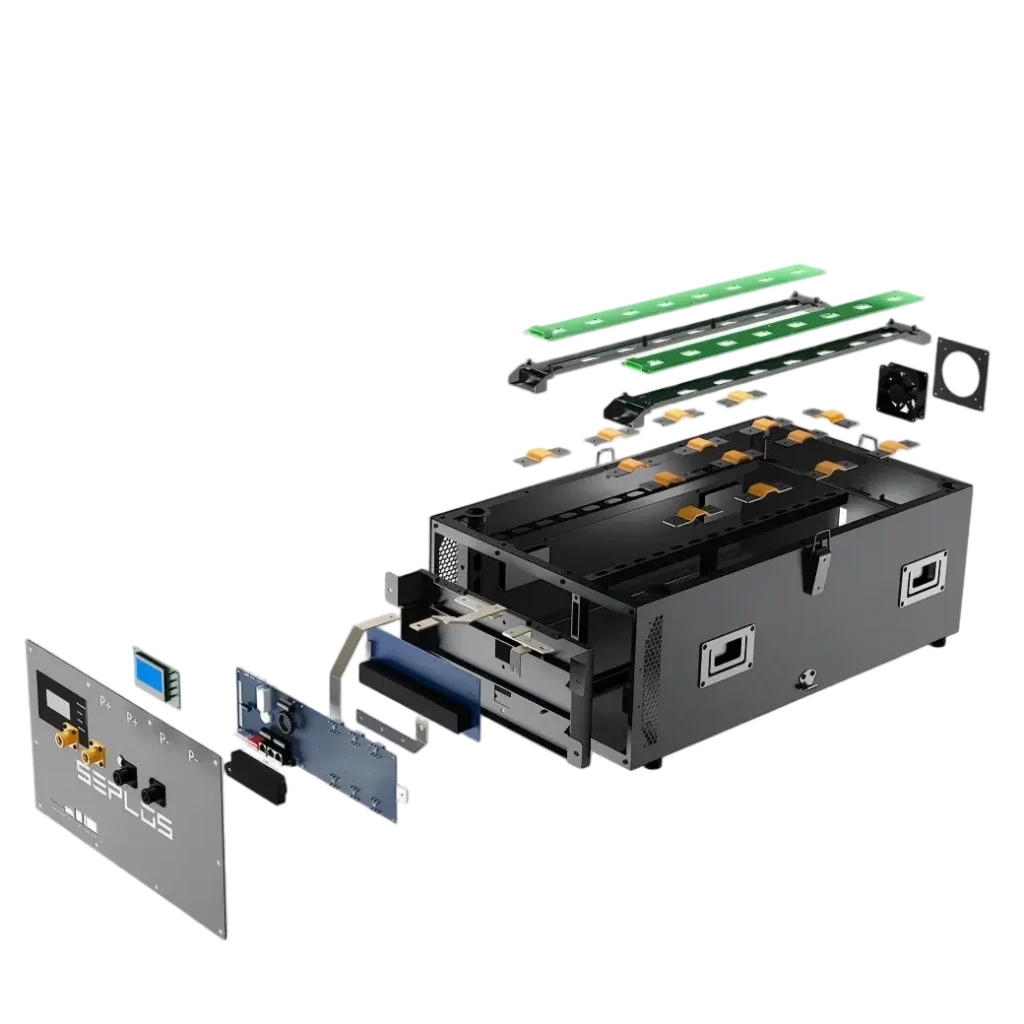
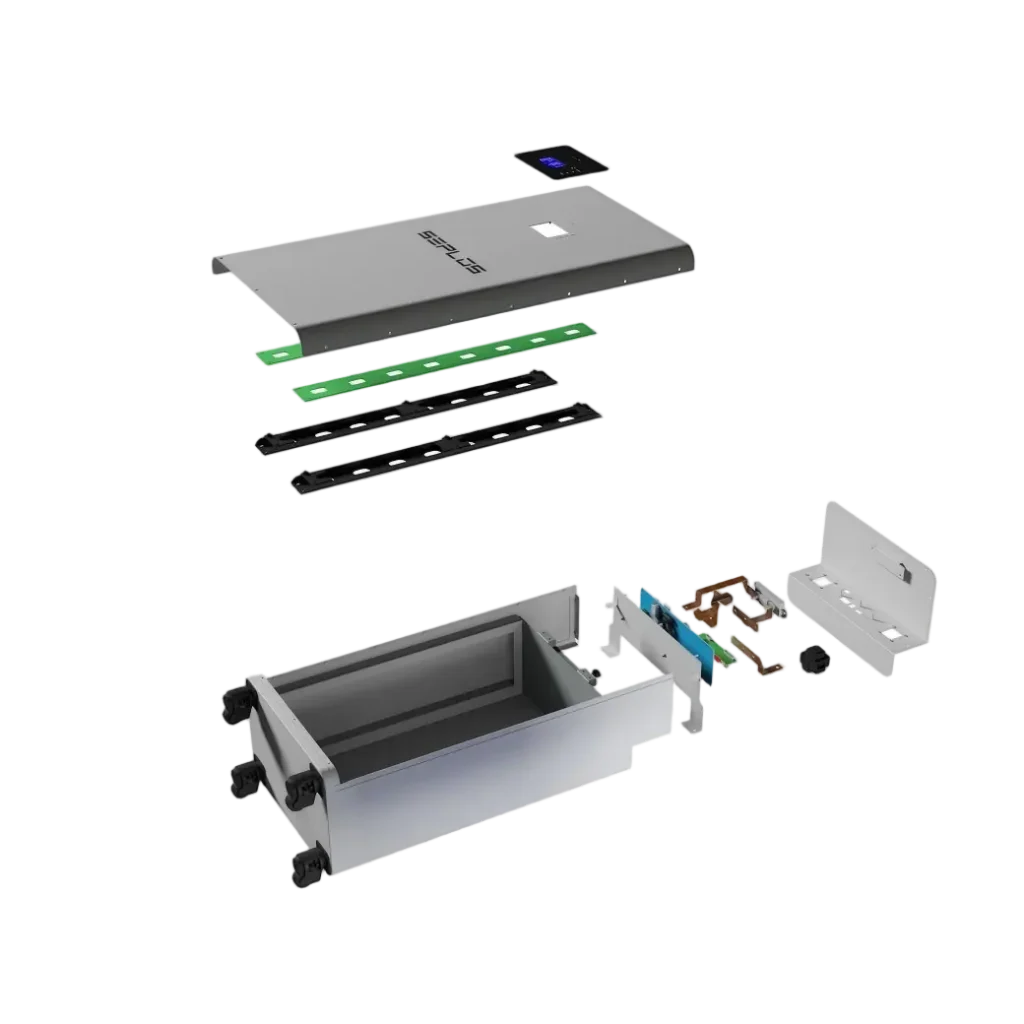
Explore Seplos DIY LiFePO4 battery box and enclosure kits for building 24V and 48V battery storage systems, with MASON and DNA platforms for different cell capacities and installation formats.
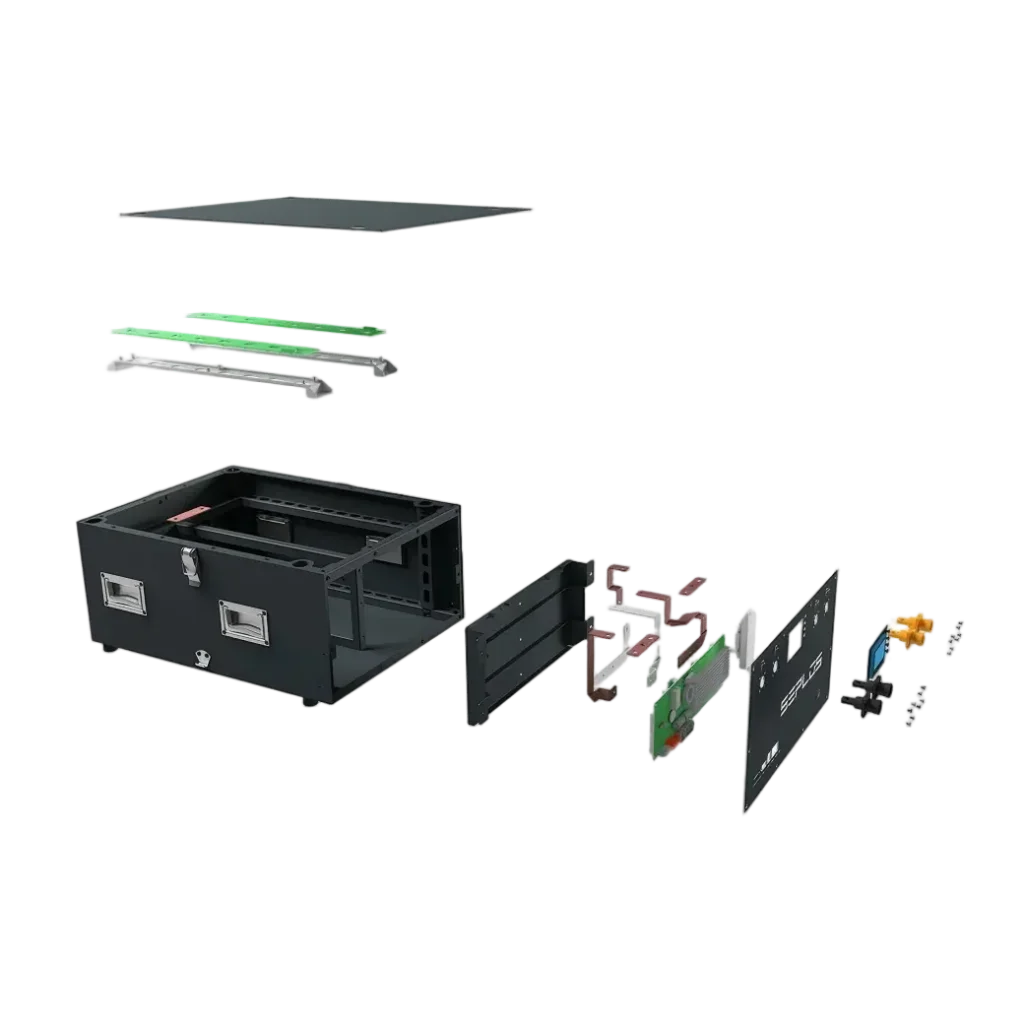
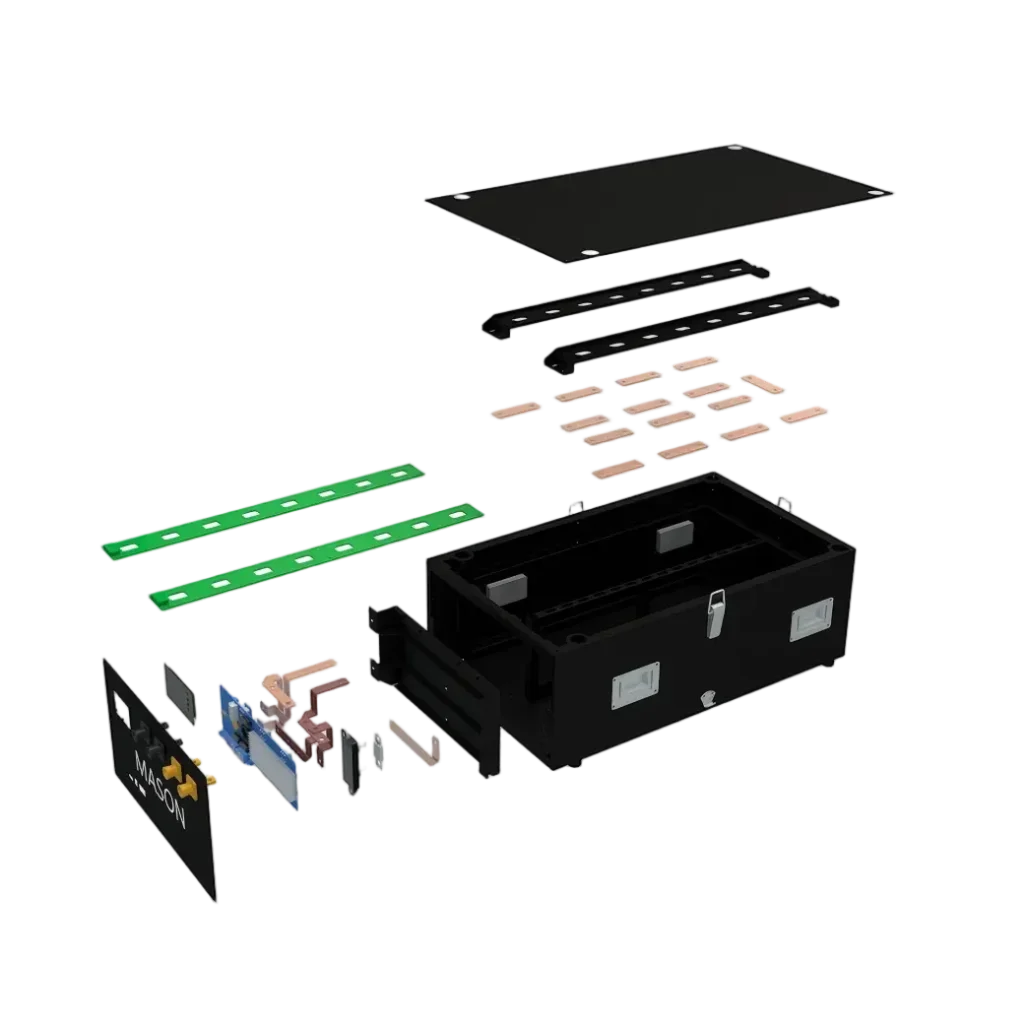
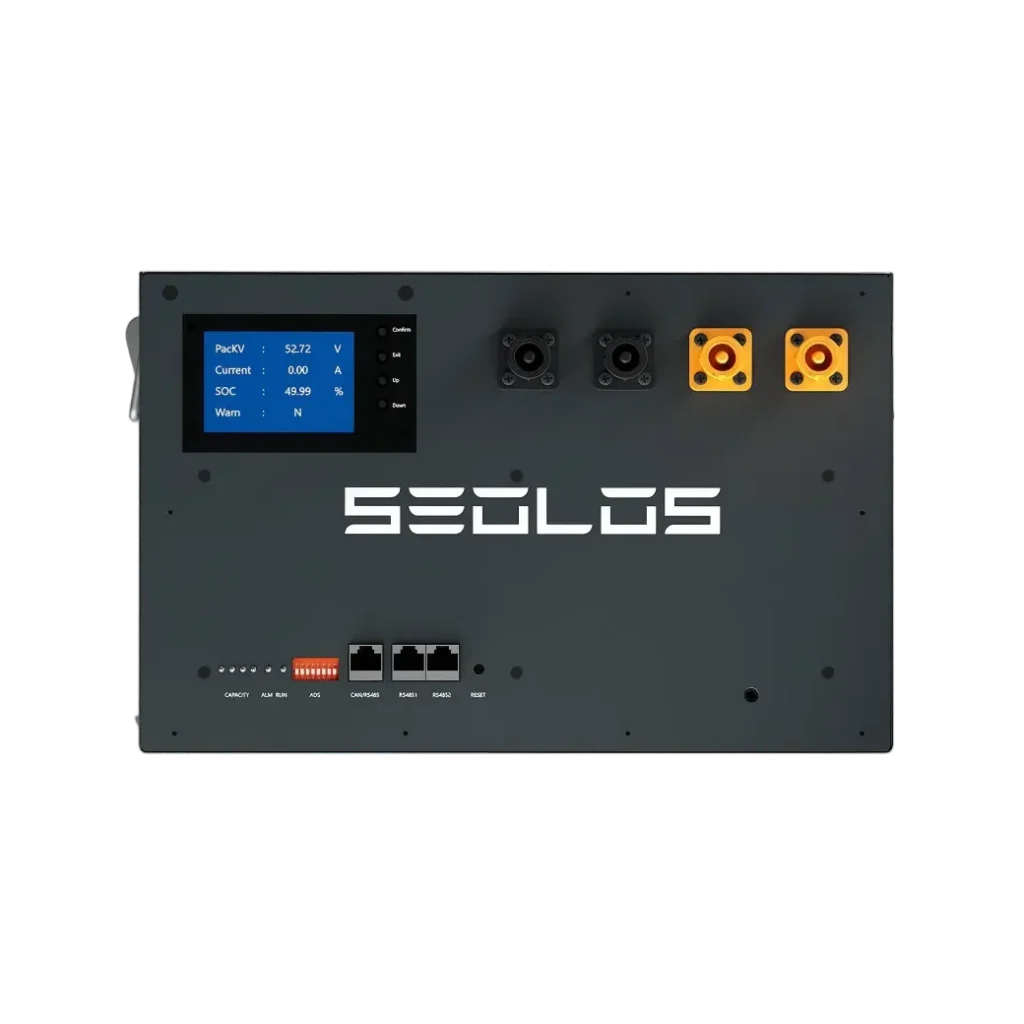
A LiFePO4 battery box kit provides the enclosure and compatible components needed to assemble a lithium iron phosphate battery pack. Depending on the kit, the configuration may include a metal enclosure, battery management system (BMS), busbars, wiring, protection components, display or communication hardware, while battery cells may be supplied separately. The correct kit must match the required system voltage, cell dimensions, capacity and BMS configuration. For compatible assembly manuals and technical documents, visit the Seplos Download Center.
Battery box, battery case and battery enclosure are commonly used search terms for the housing that supports and protects the cells and electrical components inside a DIY battery pack. Seplos offers different MASON and DNA enclosure formats, including stackable, vertical and fan-cooled designs for different battery capacities and installation requirements. Always check the compatible cell dimensions and product configuration before assembly.
Seplos DIY battery kits include configurations for 24V and 48V-class LiFePO4 battery systems. A 24V-class LiFePO4 system commonly uses an 8-series cell configuration, while a 48V-class LiFePO4 battery commonly uses 16 cells in series with a nominal voltage of 51.2V. The selected battery box, BMS, cell capacity and inverter must match the complete system design. These kits can be used as part of compatible home energy storage projects when the battery, BMS and inverter are correctly matched.
Start by confirming the required system voltage, LiFePO4 battery cells model and dimensions, cell capacity, BMS current rating, installation format, inverter compatibility and available space. Seplos DIY kits are available for different capacities such as 105Ah, 230Ah and 280Ah platforms, so the enclosure and electrical components should be selected according to the cells and system configuration you plan to use.
The contents of a DIY battery kit depend on the specific product configuration. Some kits are designed primarily as battery box and component bundles for customers who source their own LiFePO4 cells, while other packages may be offered with matched cells. Always check the individual product specification and included-components list before ordering.
Kit contents vary by product. Depending on the model, a DIY kit may include the battery enclosure, BMS, busbars, wiring, protection components, display or communication parts and assembly hardware. LiFePO4 cells may be supplied separately, so always check the individual product specification.
These terms are often used for the housing that holds and protects the cells and electrical components of a battery pack. The important differences are the supported cell dimensions, capacity, installation format, cooling, component layout and compatible BMS configuration.
Yes, for kits designed without cells, but the cell chemistry, dimensions, capacity, terminal layout and series configuration must match the battery box and electrical components. Confirm compatibility before assembly.
The correct voltage depends on the inverter, loads and overall system design. A 24V-class LiFePO4 system commonly uses eight cells in series, while a 48V-class system commonly uses sixteen cells in series for a nominal voltage of 51.2V.
Many Seplos DIY configurations are designed around a compatible BMS, but included components vary by model and package. Check the product specification to confirm the BMS type, current rating and other included components.
It can when the battery voltage, BMS, inverter voltage range and communication requirements are compatible. Provide the inverter brand and model before ordering if communication compatibility needs to be confirmed.
Share your target voltage, LiFePO4 cell model and capacity, inverter model, required BMS current and preferred enclosure format. The Seplos team can help review compatibility and recommend a suitable DIY battery kit.
Your project information will only be used to evaluate your inquiry and provide relevant product or technical support.