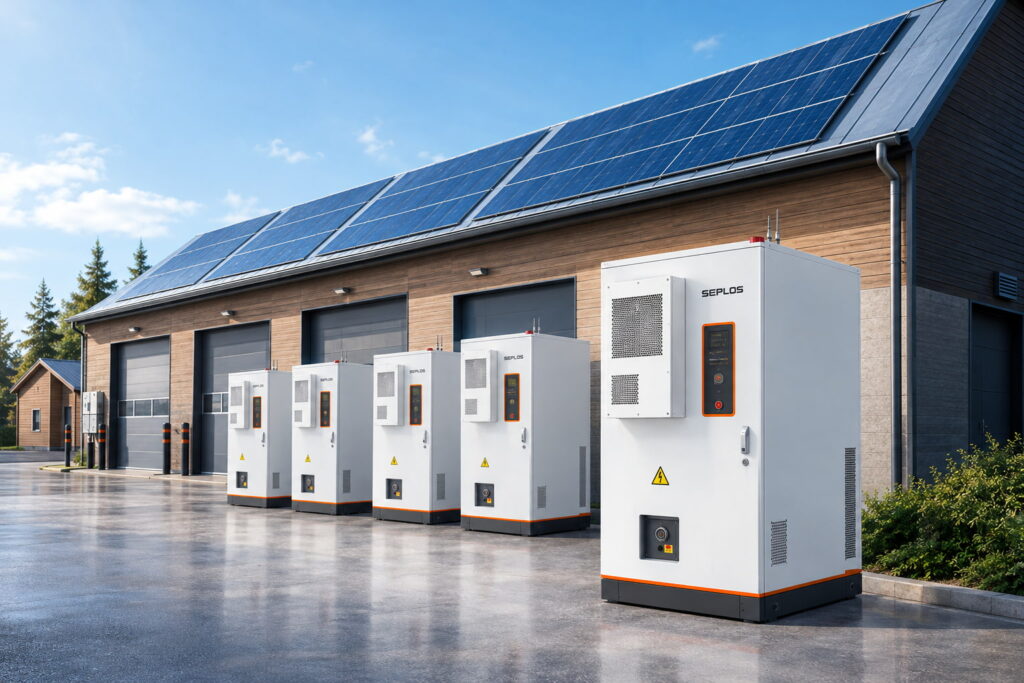
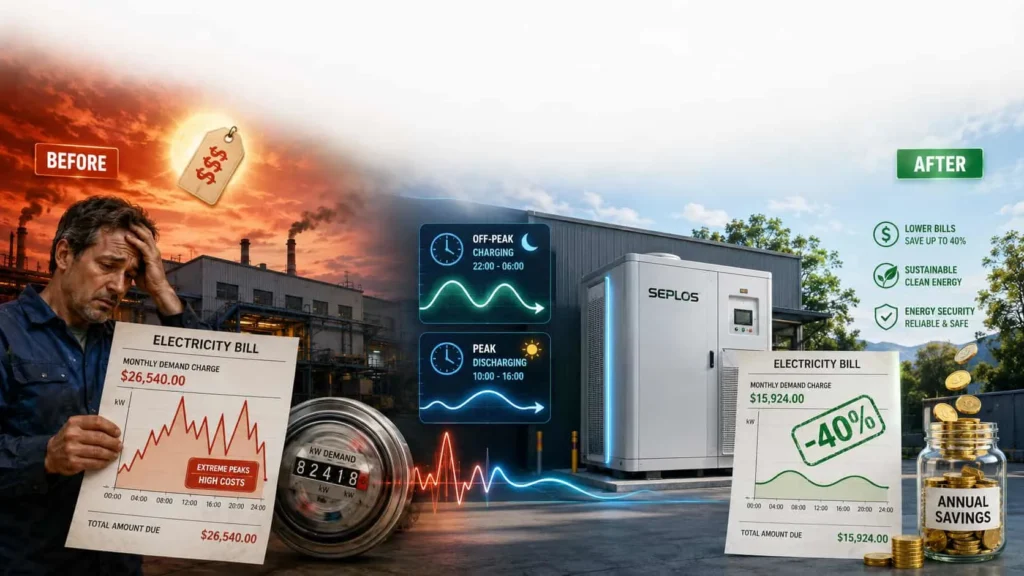
Peak shaving energy storage uses a battery energy storage system to charge during low-price or low-demand periods and discharge during peak electricity periods. For commercial and industrial users, this can reduce peak grid demand, support load shifting, lower demand charges, and improve energy cost predictability.
Struggling with Peak Electricity Prices? Energy Storage Is Your Breakthrough
Against the backdrop of ongoing global energy price volatility, many commercial and industrial users face the same challenge—high peak electricity costs.
Utilities commonly adopt Time-of-Use (TOU) pricing, charging significantly higher rates during peak hours (typically 9:00 AM to 6:00 PM) than during off-peak or valley periods. While this pricing model helps balance grid load, it often becomes a heavy burden on business operating costs.
In markets such as China, Europe, and North America, the peak-to-valley price ratio can reach 3:1 or even higher. In simple terms, one kilowatt-hour used during peak hours may cost three times more than the same electricity used at night. Over time, this erodes profits and limits production expansion.
Fortunately, technology offers a powerful solution:
Peak Shaving Energy Storage System.
By charging batteries during low-price periods and discharging during peak-price periods, businesses can significantly reduce electricity expenses while improving energy efficiency and power reliability.
Using Seplos UltraPower 261 as an example, this article explains how an intelligent energy storage system can help businesses achieve up to 40% electricity cost savings.
How Peak Shaving Energy Storage Works
Imagine buying electricity at the lowest price late at night, storing it in your own battery system, and then using that low-cost energy during the day when electricity prices surge—or even selling it back to the grid.
That’s the core idea behind Peak Shaving.
A typical peak shaving energy storage system operates as follows:
Valley Charging
During off-peak hours (e.g., 00:00–08:00), the system automatically charges the battery using low-cost grid electricity.
Peak Discharging
During high-price periods (e.g., 10:00–18:00), the system prioritizes battery power, reducing expensive grid consumption and flattening peak demand.
Intelligent Scheduling
With coordinated control from the EMS (Energy Management System) and BMS (Battery Management System), charging and discharging strategies are dynamically optimized based on electricity prices, load forecasts, and battery status.
This “buy low, use high” approach is essentially energy arbitrage, and its success depends on:
- Fast response capability
- Long cycle life
- Intelligent control
- High system integration
Case Study: How UltraPower 261 Enables Efficient Peak Shaving
Among many commercial energy storage solutions, Seplos UltraPower 261 stands out for its high level of integration and intelligent design.
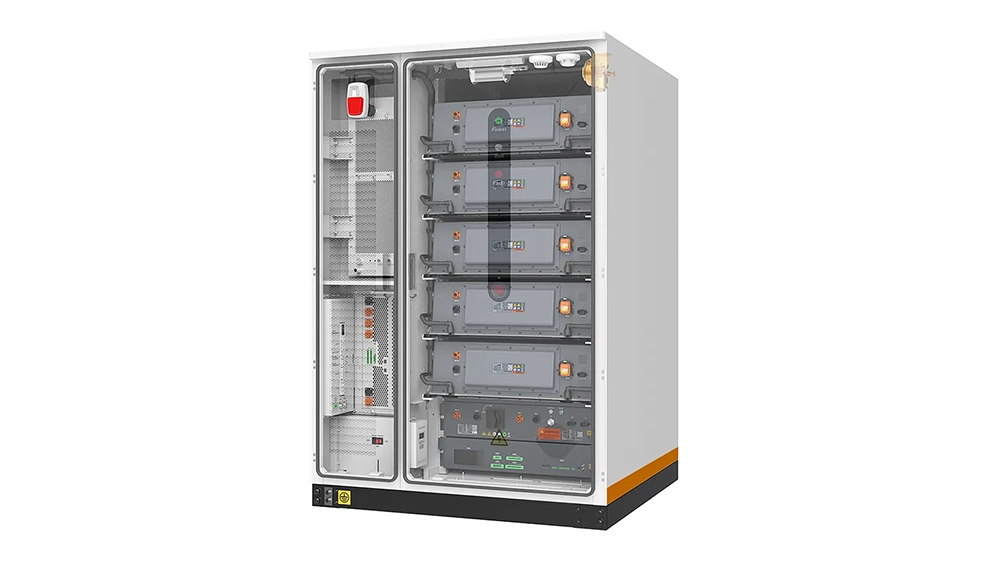
Developed by Seplos, UltraPower 261 is a liquid-cooled, all-in-one energy storage system designed specifically for overseas commercial and industrial applications.
Intelligent Operating Modes That Match Electricity Pricing
UltraPower 261 supports multiple operating modes, including:
- Grid-tied mode
- Off-grid mode
- Virtual Power Plant (VPP) participation
Its built-in cloud-based EMS platform enables remote monitoring, automatic strategy switching, AI-based alerts, and intelligent cell balancing—ensuring high battery consistency and extending system lifespan throughout its entire lifecycle.
Optimized Capacity Configuration: 125kW / 261kWh
Rated Power: 125kW
Battery Capacity: 261.248kWh (LFP 314Ah cells)
Charge/Discharge Rate: ≤0.5C (gentle operation for longer life)
Cooling Method: Intelligent liquid cooling
(Temperature difference within pack ≤2.5°C)
This configuration is ideal for small to mid-sized factories, data centers, supermarkets, hotels, and other facilities with daily electricity consumption between 300–800kWh.
Real-World Example: Annual Electricity Savings for a Small Manufacturing Plant
A small electronics component factory in Germany consumes approximately 600kWh per day, with 400kWh during peak hours.

Peak electricity price: €0.35/kWh
Off-peak electricity price: €0.12/kWh
Peak Shaving Example for a Small Manufacturing Plant
| Item | Before ESS | After UltraPower 261 |
|---|---|---|
| Daily peak consumption | 400kWh | 260kWh replaced by battery |
| Peak electricity price | €0.35/kWh | Battery discharges during peak hours |
| Off-peak electricity price | — | €0.12/kWh |
| Daily peak cost before ESS | €140/day | — |
| Net daily savings | — | About €59.8/day |
| Annual savings | — | About €14,950/year |
In addition, the system can participate in grid ancillary services or VPP programs, creating additional revenue streams.
Peak Shaving Energy Storage Example with UltraPower 261
Peak shaving focuses on reducing short periods of high power demand, especially when demand charges or peak tariffs apply. Load shifting moves electricity consumption from high-price periods to low-price periods. A battery energy storage system can support both strategies by charging during off-peak hours and discharging during peak periods.
Who Should Use a Peak Shaving Energy Storage System?
Peak shaving energy storage is especially suitable for factories, data centers, supermarkets, hotels, logistics sites, charging stations, and commercial buildings with clear peak-hour electricity demand, time-of-use pricing, or demand charges.
Why Peak Shaving ESS Matters for C&I Electricity Costs
In an era of rising energy costs, Peak Shaving Energy Storage System is no longer optional—they are essential.
They not only reduce electricity bills but also:
- Improve energy resilience
- Lower carbon emissions
- Prepare businesses for future energy market participation
With features such as:
- All-in-One integrated design
- Intelligent liquid cooling for enhanced safety and lifespan
- Support for VPP and multiple operating modes
- Compliance with IEC, UN, VDE, and other international certifications
Seplos UltraPower 261 has become an ideal choice for commercial and industrial users worldwide seeking efficient peak shaving solutions.
Don’t let peak electricity prices drain your profits.
Investing in a peak shaving energy storage system like UltraPower 261 is an investment in your company’s long-term competitiveness.
FAQ
Peak shaving in energy storage means using a battery system to reduce grid electricity consumption during high-demand or high-price periods. The battery charges during off-peak periods and discharges during peak periods.
It reduces the amount of expensive peak-hour electricity purchased from the grid and may also reduce demand charges, depending on the local tariff structure.
Peak shaving ESS is suitable for factories, data centers, hotels, supermarkets, logistics facilities, commercial buildings and EV charging sites with high peak demand or time-of-use electricity pricing.
Battery size depends on the facility’s load profile, peak demand duration, tariff difference, operating hours and target savings. A load analysis should be completed before system selection.
No. Peak shaving reduces short periods of high demand, while load shifting moves energy use from expensive periods to cheaper periods. Battery storage systems can support both strategies.