Choosing between on-grid and off-grid solar panels involves more than deciding where the electricity comes from. It’s a decision shaped by lifestyle, location, energy security, and long-term sustainability. These two solar system types serve different purposes and come with distinct operational models. Understanding their differences allows property owners and energy planners to align their systems with both their needs and expectations.
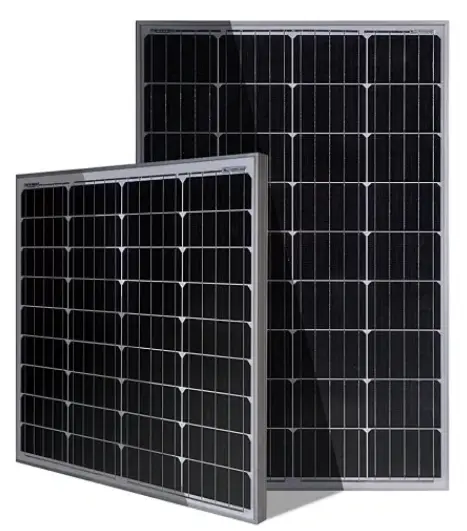
At the core, the contrast lies in whether the system connects to the public electricity grid. On-grid solar systems rely on the utility network to balance supply and demand. Off-grid systems, on the other hand, operate completely independently — offering energy freedom but requiring careful design and robust infrastructure.
On-Grid Solar Panels: Connected Convenience
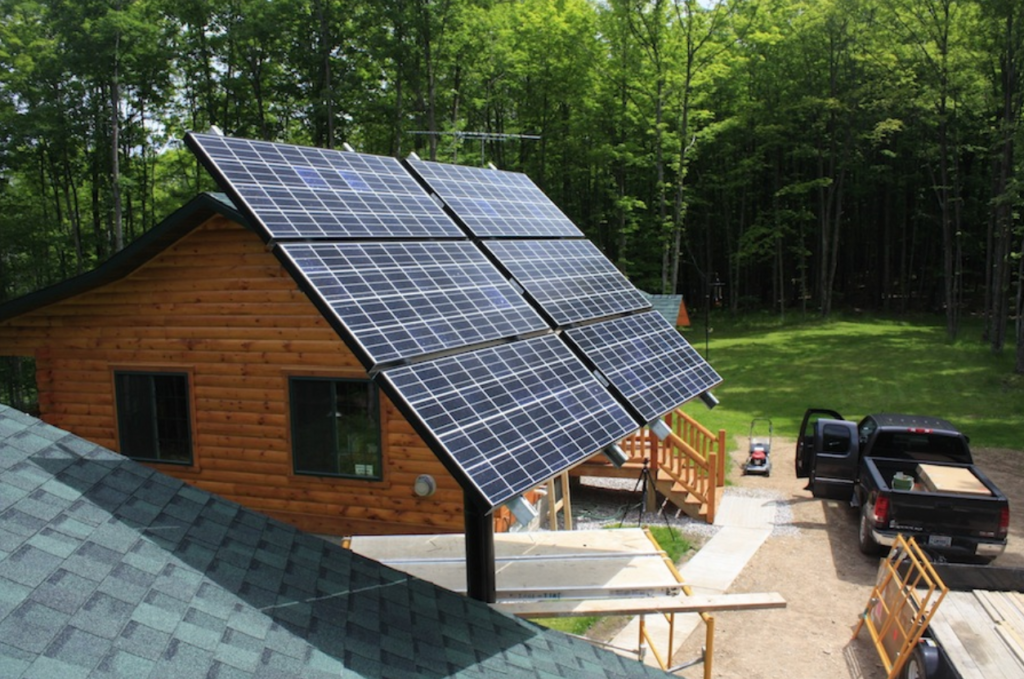
On-grid, or grid-tied solar panels, are designed to work alongside the existing utility infrastructure. These systems are directly connected to the grid, allowing energy to flow in two directions. When the panels produce more power than the household or business consumes, the surplus is sent back to the grid — often earning credits through net metering programs. When solar production drops, such as at night or during poor weather, the system seamlessly draws energy from the grid to fill the gap.
Because the grid provides backup power, on-grid systems typically don’t require batteries. This simplifies installation and reduces costs significantly. For many in urban or suburban areas with reliable utility access, a grid-tied system offers a practical and affordable entry into solar energy. However, in the event of a power outage, most grid-tied systems shut down automatically for safety reasons, meaning they won’t provide electricity until the grid is restored.
Off-Grid Solar Panels: Total Energy Independence
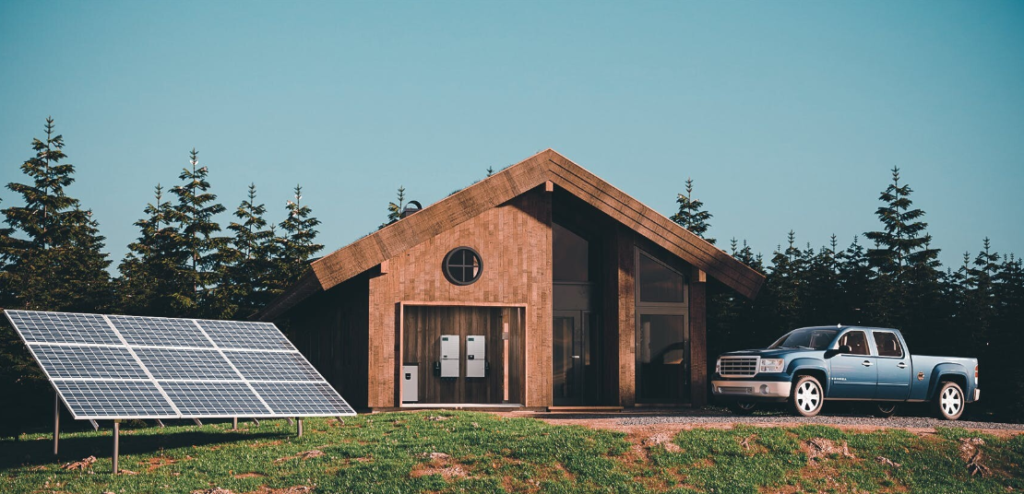
Off-grid solar panels, in contrast, operate autonomously from any public utility service. These systems are ideal for remote locations or for individuals seeking total control over their energy production and use. Since there’s no connection to the grid, energy storage is essential. Solar energy is captured during daylight, regulated through a charge controller, and stored in deep-cycle batteries for use around the clock.
A critical aspect of off-grid solar panels is the battery bank, which must be properly sized to handle days of low sunlight and meet the specific demands of the property. Inverters are used to convert the stored DC energy into usable AC power for household appliances and devices.
This setup involves more components — including batteries, monitoring systems, and sometimes backup generators — making off-grid systems more complex and costly to install. However, the reward is complete energy independence and the peace of mind that comes with self-sufficiency, especially in areas where grid access is unreliable or unavailable.
Seplos: Leading the Way in Smart Energy Solutions
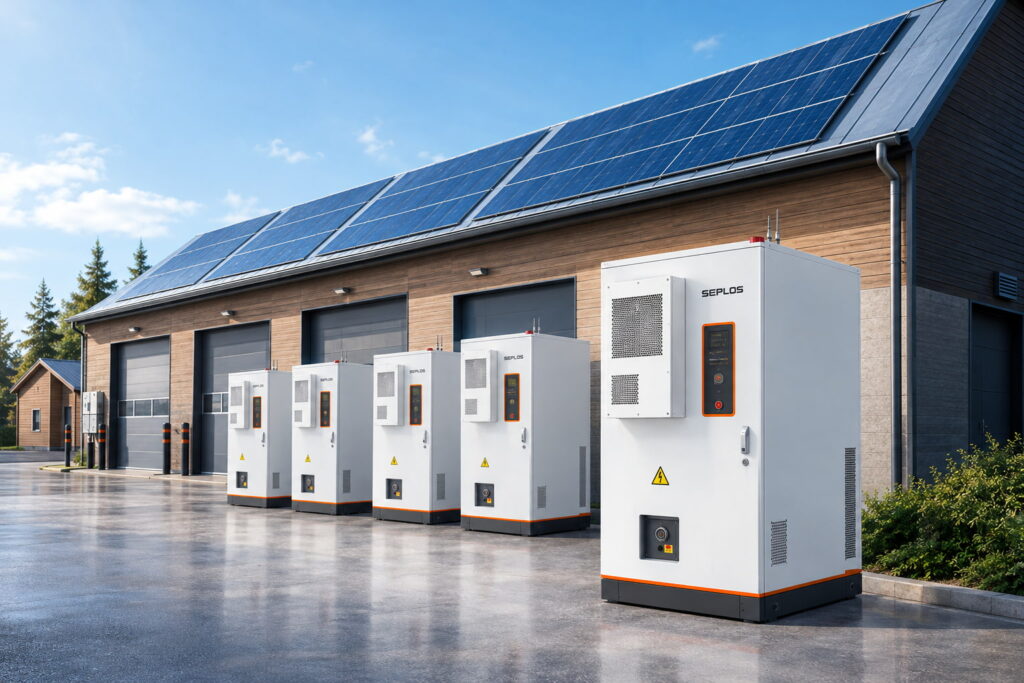
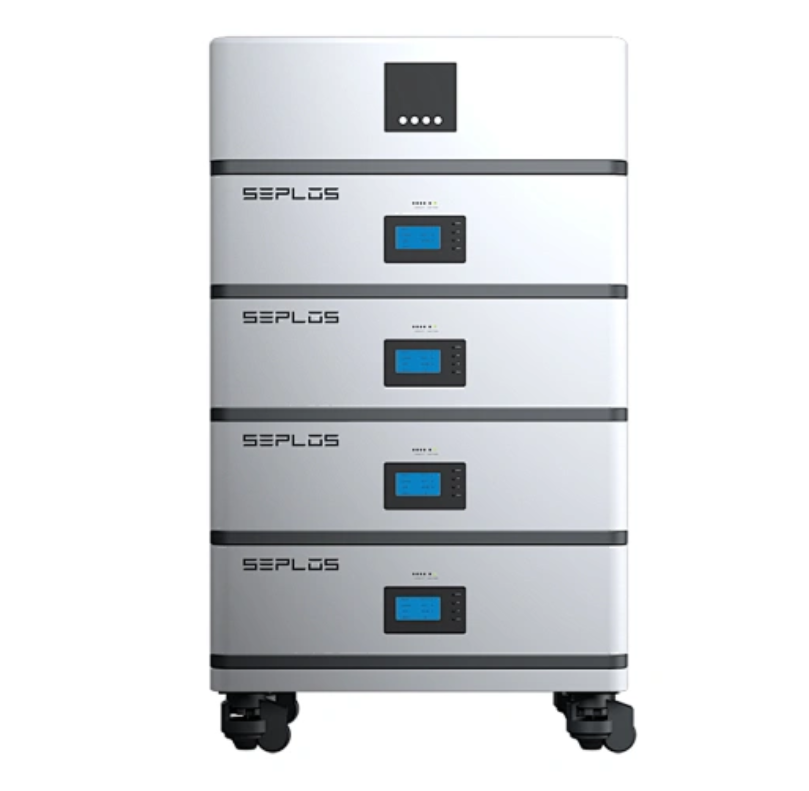
As an expert in battery storage and solar innovation, Seplos offers robust solutions for both on-grid and off-grid solar panels. Founded in 2017, Seplos has become a leading provider of high-performance LiFePO4 battery packs, energy storage systems, and advanced solar components. Trusted by users across Europe, America, Australia, South Africa, and the Middle East, Seplos delivers quality, reliability, and energy freedom — one solution at a time.
FAQs About On-Grid vs Off-Grid Solar Panels
On-grid solar systems remain connected to the utility grid, while off-grid systems operate independently and usually require battery storage to provide electricity when solar production is unavailable.
Off-grid systems generally have a higher initial cost because they require batteries, charge controllers, and sufficient solar capacity to meet electricity demand without relying on the utility grid.
Not necessarily. A standard on-grid solar system can send excess electricity to the grid and draw power from it when needed. Batteries may be added when backup power or higher self-consumption is required.
An off-grid solar system is usually more suitable for remote locations where connecting to the utility grid is unavailable, unreliable, or too expensive.
Consider grid availability, local electricity prices, outage frequency, daily energy consumption, available installation space, backup requirements, and the budget for batteries and other system components.