
Since January 1, 2026, Croatia has applied a new net billing framework for eligible new solar self-consumption projects, replacing the previous kilowatt-hour-based net metering approach. Exported and imported electricity are now settled by monetary value rather than treated as equal units of energy.
The exact financial impact depends on the electricity supplier, applicable tariff, network charges, consumption profile, solar production, and any transitional rules covering the individual installation.
From Net Metering to Net Billing: What’s Changing?
Until the end of 2025, Croatia will operate under a net metering policy. In simple terms, the grid functions like a giant “virtual battery.” When your solar panels generate more electricity than your home consumes, the surplus energy is sent to the grid. Later, when your production is lower (at night or on cloudy days), Under the previous net metering approach, exported electricity could offset imported electricity within the applicable settlement rules. This made the grid function economically like a virtual storage mechanism, although the electricity was not physically stored for the household.
Under this system, you only pay for the net amount of electricity you consume, making solar investments profitable — even without a physical battery.
Under the 2026 net billing framework:
- Electricity drawn from the grid is billed according to the applicable retail tariff, network charges, taxes, and supplier conditions.
- Surplus electricity exported to the grid is compensated according to the applicable purchase or settlement formula.
Because imported and exported electricity are no longer treated as equal kilowatt-hours, using solar power directly in the home may provide greater value than exporting it and purchasing electricity later.
This change drastically reduces the financial benefit of exporting excess power to the grid. The key takeaway is that every kilowatt-hour of solar energy you use directly at home is now worth much more than selling it. Therefore, maximizing self-consumption becomes the most effective strategy to secure your return on investment.
How Home Battery Storage Can Increase Solar Self-Consumption
A home battery can store part of the solar electricity that would otherwise be exported and make it available later when household demand exceeds solar production. This can increase self-consumption, but the financial value depends on the household load profile, battery size, electricity tariff, export compensation, system efficiency, and installation cost.
Installing a battery is more than just complying with policy changes — it’s a smart financial move. It allows you to:
- Maximize self-consumption: Keep more of your free solar energy for your own use instead of selling it cheaply to the grid.
- Reduce energy bills: Cut down or even eliminate your reliance on expensive grid electricity.
- Increase energy independence: Protect yourself from future electricity price hikes and gain long-term stability.
In Croatia, home energy storage systems are becoming essential as the country transitions to net billing in 2026. These systems are more than just an investment in the present — they are a way to ensure sustainable, long-term savings and energy independence.
How to Choose a Reliable Home Battery: Key Factors to Consider
Investing in a home energy storage system is a significant decision, so choosing the right battery is essential. Below are four key factors to evaluate — all of which are strengths of Seplos energy storage batteries:
1. Reliable Battery Management System (BMS)
The BMS is the “brain” of a battery, ensuring safety and performance. A high-quality BMS provides protection against overcharging, over-discharging, overcurrent, short circuits, and temperature fluctuations — keeping every cell balanced and safe.
Seplos is known for its advanced and dependable BMS technology, offering comprehensive safety assurance for your energy investment.
2. Efficient Cooling System
Temperature control directly affects a battery’s lifespan and efficiency. Good thermal management slows down cell aging and ensures long-term stability.
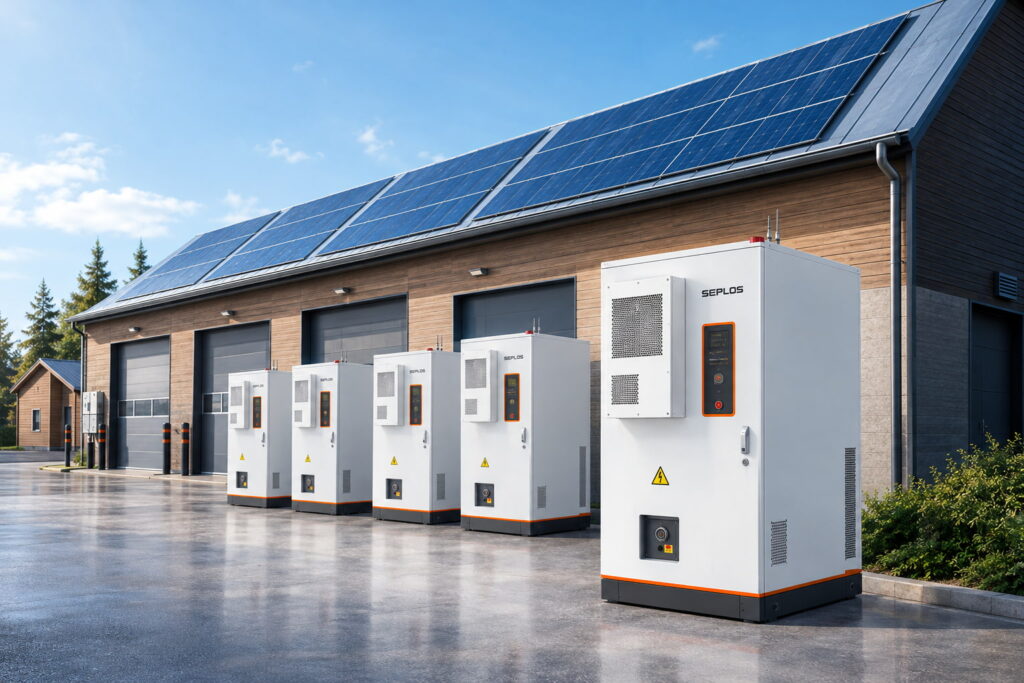
For example, the Seplos Mason 560L battery cabinet features an optimized air-cooling system and scientifically designed ventilation channels — proven to extend battery life by at least 20% while maintaining consistent performance.
3. Comprehensive Warranty Coverage
A strong warranty reflects the manufacturer’s confidence in product quality. Seplos provides a 10-year warranty, including 5 years of full coverage and 5 years of extended paid service, giving homeowners long-term peace of mind.
4. Certified Quality and Safety
Always ensure your battery complies with local and international standards. Key certifications include CE (European Conformity) and TÜV (German Technical Inspection Association).
Seplos batteries are CE-certified, and the company’s manufacturing system is ISO 9001–certified, ensuring consistent product quality and reliability.
How to Evaluate a Home Battery Investment in Croatia
Before investing in home battery storage, compare hourly or interval electricity consumption with solar production. The greatest value usually comes from storing electricity that would otherwise be exported and using it during periods of higher household demand.
Key inputs include annual solar generation, daytime self-consumption, evening load, import tariffs, export compensation, usable battery capacity, round-trip efficiency, installation cost, warranty conditions, and available incentives. A battery should be sized from actual load data rather than solar-panel capacity alone.
Embrace the Future of Energy Independence
Croatia’s solar regulation change is not an isolated case — it reflects a global trend encouraging homeowners to increase their energy self-sufficiency. Similar transitions have already occurred elsewhere, such as California’s NEM 3.0 policy in the United States.
For Croatian homeowners, pairing your solar system with a high-quality battery is the key to maximizing long-term returns, achieving energy independence, and future-proofing against rising electricity costs.
If you are exploring solar battery prices in Croatia and want a solution that balances safety, longevity, and value, Seplos offers reliable home energy storage systems that deliver lasting performance and peace of mind.
Want to learn how other regions are adapting to similar policy changes?
Read our related article: How California Homeowners Can Protect Solar ROI Under NEM 3.0
Frequently Asked Questions
Croatia introduced a net billing framework from January 1, 2026. The applicable treatment may depend on the installation date, contract, supplier, and transitional rules.
No. Battery value depends on solar exports, evening electricity use, tariffs, backup needs, system cost, and available incentives.
Use household load and solar-production data to estimate how much surplus electricity is available and how much energy is needed after sunset.
No. Savings depend on battery size, efficiency, tariffs, export compensation, usage patterns, installation cost, and operating strategy.
Planning a solar battery project in Croatia? Share your solar system size, annual production, household load profile, inverter model, backup requirements, and expected export volume with the Seplos team for battery configuration review.