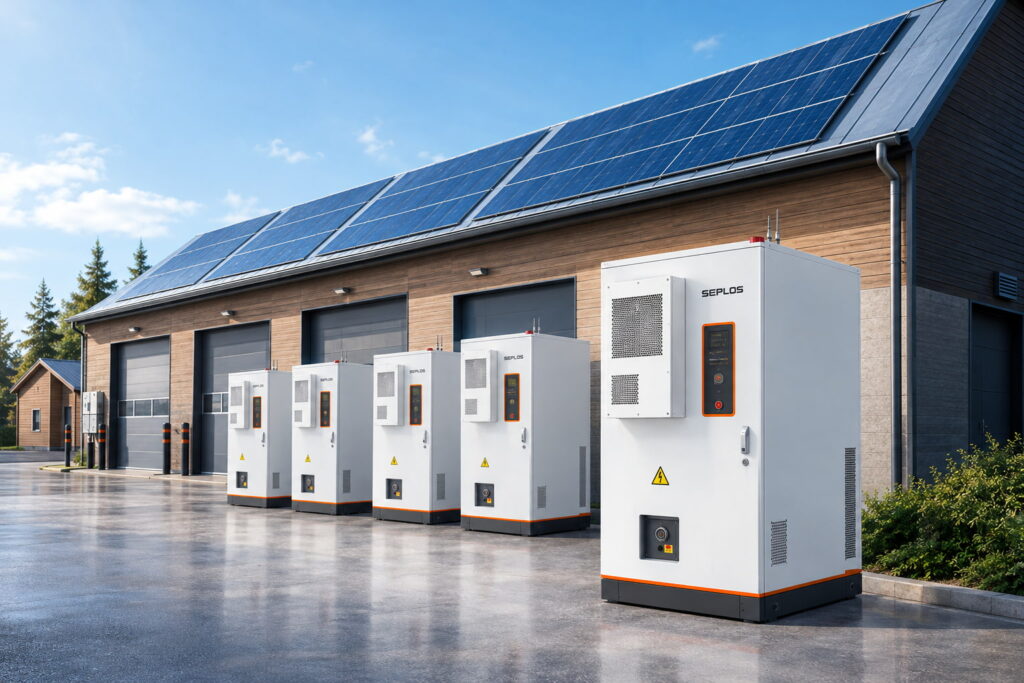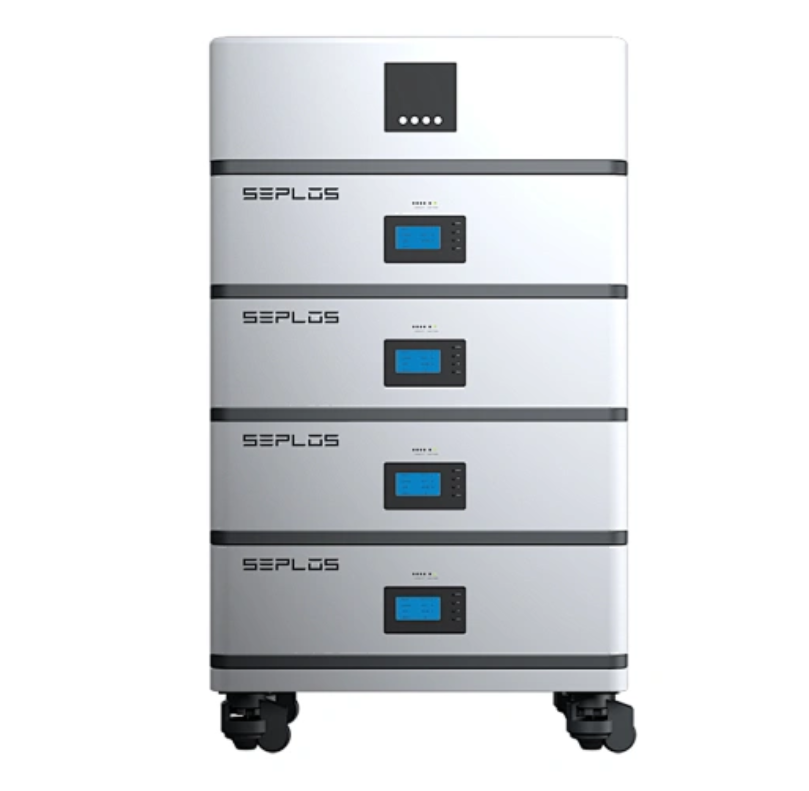


Commercial energy storage battery specifications help buyers compare whether a battery system can meet real project needs for capacity, power output, discharge duration, cycle life, safety, BMS monitoring and long-term reliability. For factories, commercial buildings, industrial parks and C&I energy storage projects, these specifications should be reviewed before selecting a battery solution.
The adoption of commercial and industrial energy storage systems is becoming increasingly important for businesses looking to optimize energy consumption, reduce costs, and improve sustainability. However, selecting the right battery for these systems requires understanding several key specifications. These specifications not only influence performance but also impact the long-term efficiency, safety, and cost-effectiveness of the system. Here are the most important specifications to consider when evaluating batteries for commercial and industrial energy storage systems.
Key Commercial Energy Storage Battery Specifications to Compare
| Specification | What It Means | Why It Matters |
|---|---|---|
| Energy capacity | Total stored energy, usually measured in kWh or MWh | Determines backup time and usable stored power |
| Power capacity | Maximum power output, usually measured in kW or MW | Determines how much load the system can support at once |
| Discharge duration | How long the battery can deliver rated output | Important for backup power and long-duration storage |
| Cycle life | Expected charge/discharge cycles before capacity decline | Affects replacement cost and long-term value |
| Usable capacity | Energy that can be safely used in real operation | More practical than nominal capacity alone |
| BMS monitoring | Tracks voltage, temperature, current, SOC and protection status | Supports safety and system reliability |
| Thermal management | Controls operating temperature | Helps protect battery life and safety |
| Inverter compatibility | Communication and electrical matching with inverter/PCS | Affects system integration and commissioning |
Energy Capacity and Power Capacity in Commercial Battery Specifications
Energy capacity and power capacity are fundamental metrics in any commercial and industrial energy storage system. Energy capacity, typically measured in kilowatt-hours (kWh) or megawatt-hours (MWh), indicates how much energy a battery can store. Power capacity, measured in megawatts (MW), represents how much power the system can supply at once.
These specifications directly impact the system’s ability to meet varying energy demands. For example, a 1MW/6MWh system can deliver 1 MW of power for 6 hours, making it suitable for applications requiring long-duration storage. Understanding both energy and power capacity ensures that businesses can select a storage system that matches their energy needs while minimizing operational inefficiencies.
Cycle Life and Discharge Duration for C&I Energy Storage Batteries
Cycle life and discharge duration are crucial for ensuring the commercial and industrial energy storage system performs efficiently over its lifetime. Cycle life refers to the number of charge-discharge cycles a battery can complete before its capacity degrades significantly. A longer cycle life is essential for businesses that rely on their energy storage systems for extended periods, as it reduces the need for frequent replacements and lowers long-term operational costs.
Discharge duration is equally important, as it indicates how long the battery can maintain its rated power output before exhausting its stored energy. Systems with longer discharge durations are ideal for businesses that require a steady energy supply over extended periods, ensuring consistent performance and reducing the likelihood of energy shortages.
BMS, Thermal Management and Safety Specifications
Safety is a critical concern when selecting a battery for commercial and industrial energy storage systems. Features like Battery Management Systems (BMS), thermal management, and fire suppression systems play a crucial role in maintaining safe operation. BMS helps monitor factors such as voltage, temperature, and current, ensuring the battery operates within safe limits.
Additionally, effective thermal management, which includes heating, cooling, and air conditioning systems, helps prevent the battery from overheating and minimizes the risk of fires. Fire suppression systems are also vital for containing potential hazards and ensuring the safety of the facility.
Finally, the choice of battery technology is another important consideration. Lithium-ion batteries are the most widely used due to their high energy density and long cycle life. However, alternatives like vanadium redox flow batteries (VRB) and zinc-air batteries are gaining traction in large-scale applications due to their scalability and cost-effectiveness.
How Buyers Should Evaluate Battery Specifications
When comparing commercial energy storage battery specifications, buyers should not look at capacity alone. A suitable battery system should match the site’s load profile, backup duration, charge and discharge strategy, inverter or PCS communication, installation environment, BMS protection, safety requirements and future expansion needs. For C&I projects, usable capacity, cycle life, thermal control and supplier support are often more important than nominal capacity alone.
FAQ
A1: Key specifications include energy capacity, power output, discharge duration, cycle life, usable capacity, BMS monitoring, thermal management, safety features and inverter compatibility.
A2: Energy capacity shows how much electricity a battery can store, while power capacity shows how much power it can deliver at one time.
A3: Cycle life affects how long the battery can support repeated charge and discharge use before capacity declines, which impacts long-term replacement cost.
A4: The BMS monitors voltage, temperature, current, SOC, SOH and protection status, helping support safer operation and more reliable battery performance.
A5: No. Buyers should also compare usable capacity, power output, discharge duration, cycle life, BMS protection, thermal management, installation conditions and system compatibility.
Conclusion
Selecting the right commercial energy storage battery requires comparing capacity, power output, discharge duration, cycle life, usable capacity, BMS protection, thermal management and system compatibility. By understanding these specifications, businesses can make informed decisions that enhance operational efficiency, reduce costs, and ensure long-term reliability.
Need Help Comparing Commercial Battery Specifications?
Battery specifications affect more than system size. Capacity, power output, discharge duration, cycle life, usable capacity, BMS protection, thermal management and inverter compatibility all influence long-term performance.
Seplos can help installers, distributors and project buyers evaluate commercial energy storage battery specifications for C&I projects, backup power, peak shaving and renewable energy storage applications.