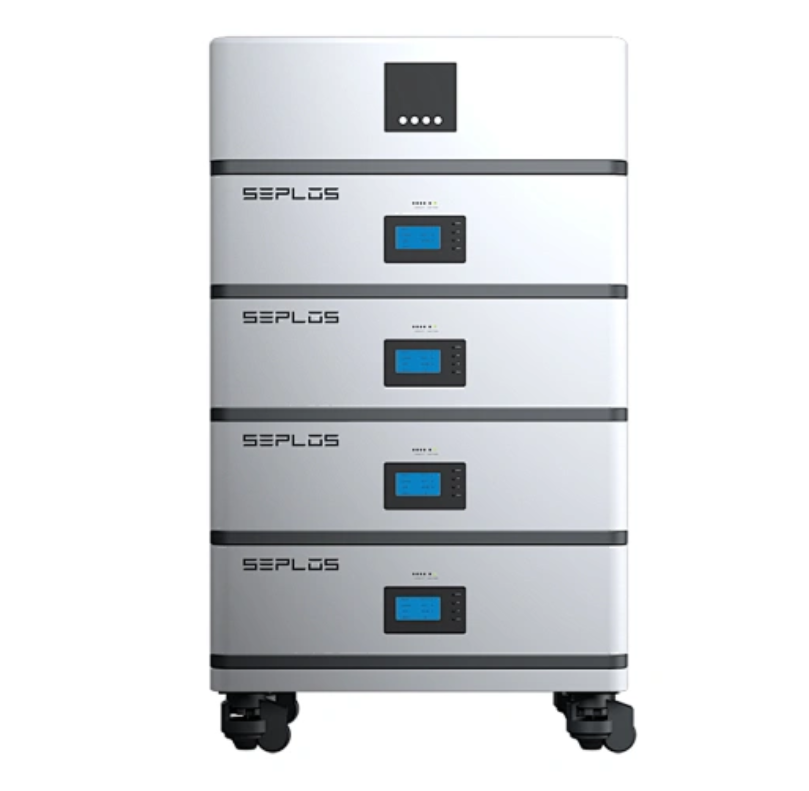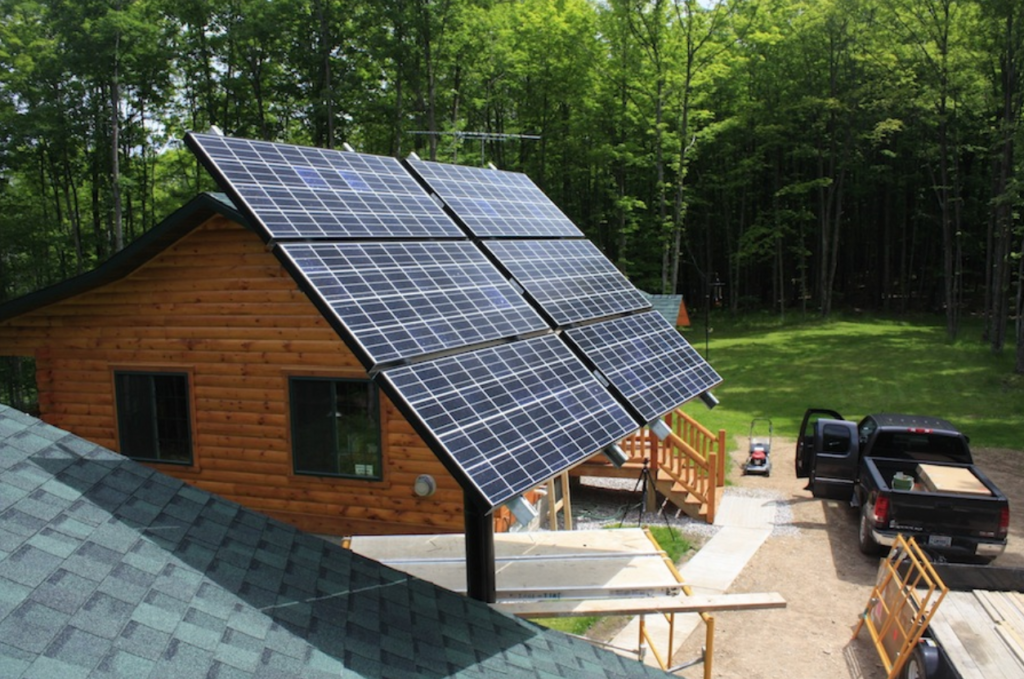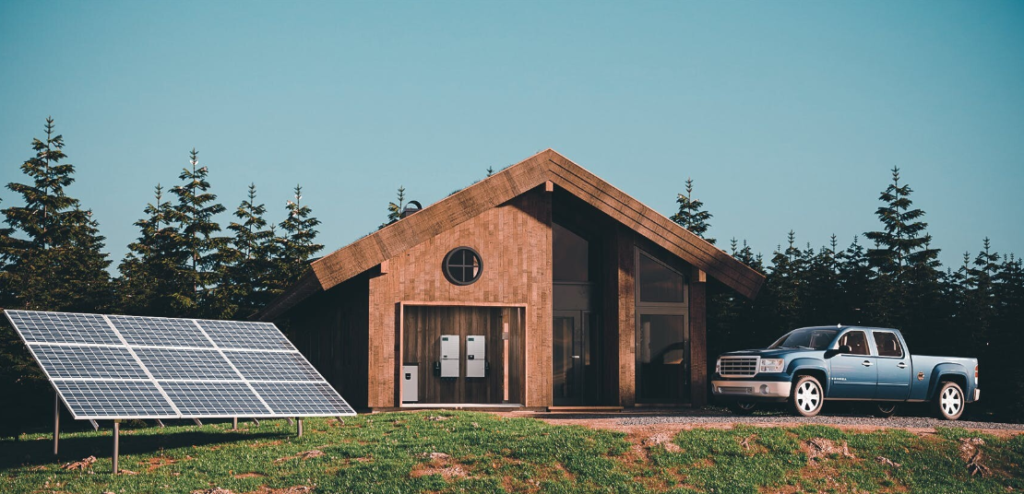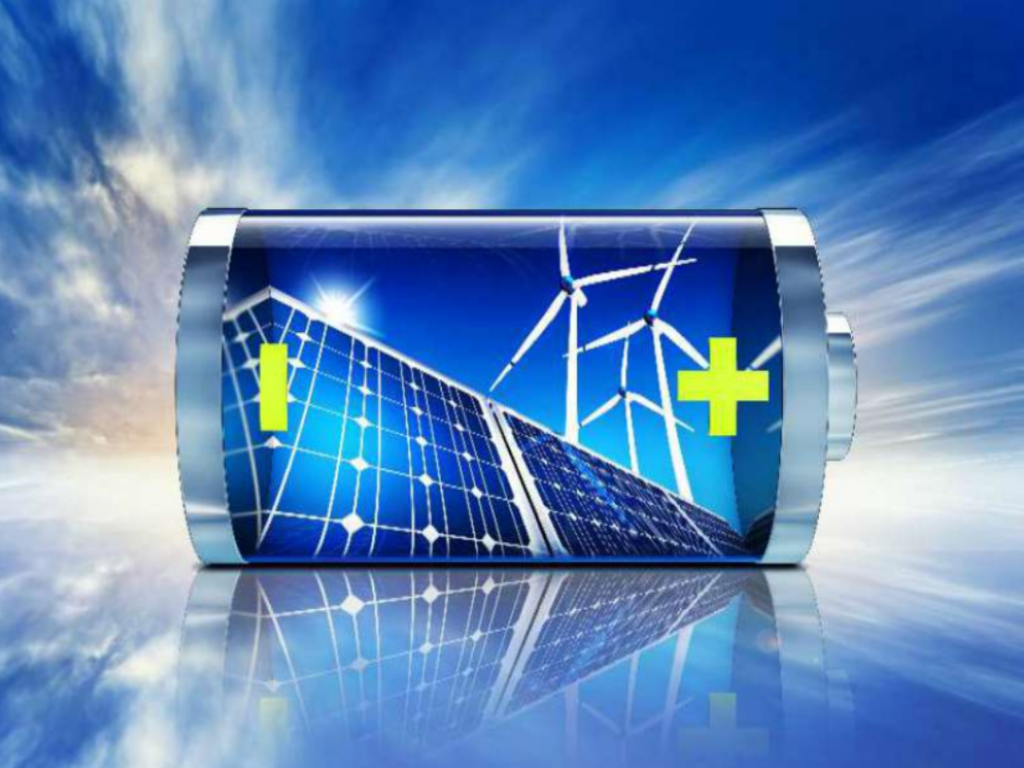
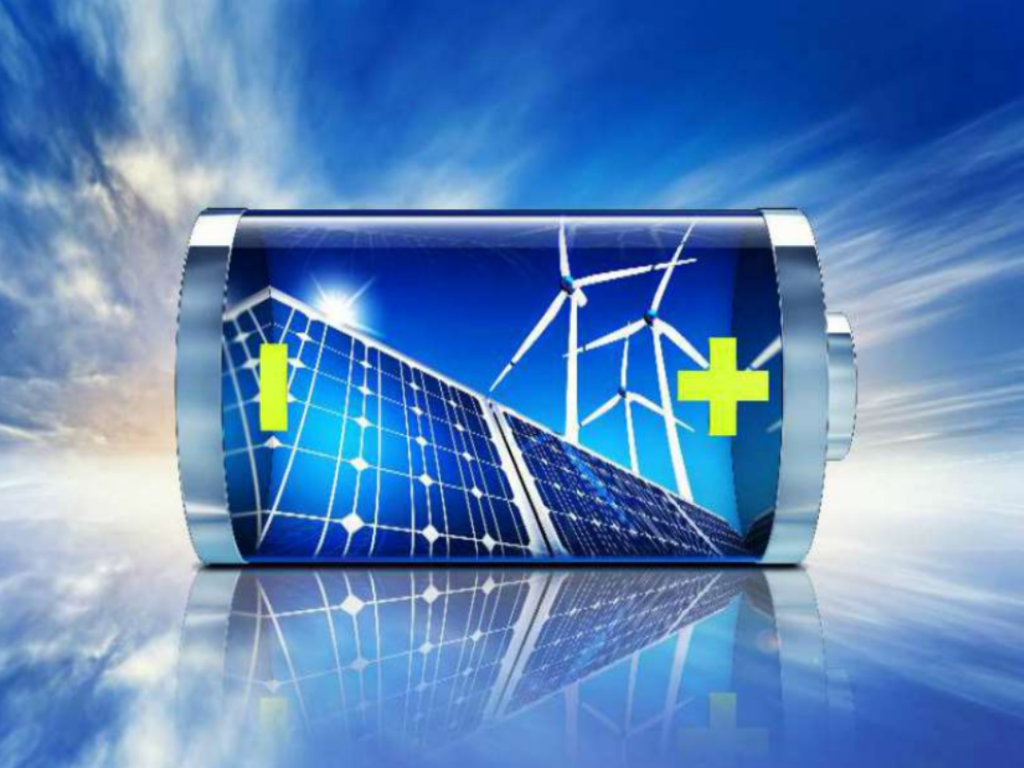
LiFePO4 (Lithium Iron Phosphate) energy storage systems play a pivotal role in integrating solar and wind power into the energy grid. These batteries store excess energy generated during peak production times—when the sun is shining brightly or the wind is strong—and release it when production drops, such as during cloudy weather or calm wind conditions. By stabilizing the overall power supply, LiFePO4 energy storage systems help balance intermittent renewable energy sources, ensuring a continuous and reliable power flow. This integration can increase renewable energy utilization and, depending on the system design and operating strategy, reduce the amount of electricity drawn from the grid during selected periods.

Key Benefits of LiFePO4 for Solar and Wind Power
Safety and Durability
LiFePO4 energy storage systems are renowned for their high safety standards. Unlike other lithium-ion batteries, LiFePO4 is less prone to overheating or combustion, making it a safe and reliable choice for both residential and industrial applications. This safety feature is particularly important in large-scale renewable energy installations, where reliability and stability are critical.
Longevity and High Efficiency
One of the most compelling reasons to choose LiFePO4 batteries is their long cycle life. Furthermore, LiFePO4 batteries exhibit high discharge efficiency, meaning they can release energy quickly and effectively when needed. This combination of longevity and efficiency makes them a cost-effective option for long-term use in solar and wind energy systems.
Versatility in Harsh Environments
LiFePO4 energy storage batteries is adaptable to a wide range of environmental conditions. LiFePO4 energy storage systems can be designed for a wide range of environmental conditions, but their performance depends on cell specifications, operating temperature, thermal management, charge rates, and BMS protection settings. With appropriate enclosure and thermal management design, LiFePO4 batteries can support both off-grid and grid-connected renewable energy applications in different climates.
Practical Applications of LiFePO4 in Solar and Wind Energy
Solar Power Storage
LiFePO4 batteries are essential for storing excess energy generated by solar panels during the day, ensuring that power can be used during nighttime or on cloudy days. This capability maximizes solar energy utilization and ensures that solar power systems remain efficient and dependable throughout the day and night.
Wind Power Storage
Wind energy can be highly intermittent, with generation levels fluctuating based on wind conditions. LiFePO4energy storage systems store surplus wind energy when the wind is strong, allowing it to be released during calm periods. This ensures a steady, reliable energy supply, even when wind conditions are less predictable.
Large-Scale Renewable Projects
LiFePO4 battery technology is used in renewable energy storage projects ranging from distributed solar systems to larger commercial and utility-scale installations. By enhancing the reliability and performance of solar and wind energy systems, these batteries contribute to the growth and stability of renewable energy grids, helping to accelerate the adoption of clean energy sources.
How LiFePO4 Storage Integrates with Solar and Wind Systems
A renewable energy storage system normally requires more than battery modules alone. A typical configuration may include LiFePO4 battery modules, a battery management system, a power conversion system or bidirectional inverter, an energy management system, protection equipment, and monitoring controls.
During periods of high solar or wind generation, the power conversion system directs available electricity to the battery according to the system’s charge limits and operating strategy. When renewable generation falls or facility demand increases, stored energy can be converted back into AC power and supplied to the loads or grid-connected system.
The BMS monitors battery voltage, current, temperature, state of charge, and other operating conditions. The EMS coordinates renewable generation, battery charging, facility demand, and grid interaction according to project priorities. These priorities may include increasing renewable energy utilization, supporting backup loads, managing peak demand, or stabilizing power output.
What B2B Projects Should Evaluate Before System Selection
Before selecting a LiFePO4 energy storage system, project developers should define the required energy capacity, power rating, backup duration, charge and discharge rate, and intended operating strategy. Solar and wind generation profiles should be evaluated alongside the facility load profile to determine when energy is available and when stored power will be required.
Compatibility between the battery system, BMS, inverter or PCS, EMS, and communication protocol should also be confirmed. Other project considerations include installation temperature, enclosure protection, available space, grid-connection requirements, maintenance access, and applicable safety or certification requirements.
For commercial and industrial projects, battery capacity alone is not enough to determine whether a system is suitable. The complete energy storage configuration should be designed around the renewable generation source, electrical loads, operating environment, and project objectives.
FAQ
LiFePO4 batteries are used because they offer a stable battery chemistry, long service potential, efficient charge and discharge performance, and suitability for stationary energy storage. Actual performance depends on cell quality, system design, operating temperature, BMS settings, and usage conditions.
The system stores available electricity when solar or wind generation exceeds immediate demand. It can discharge that energy when generation declines, demand rises, or backup power is required, according to the system control strategy.
Yes, a properly designed hybrid energy system can receive energy from both solar and wind sources. Compatibility and control depend on the inverter or PCS configuration, voltage range, BMS communication, EMS logic, and connection design.
Important inputs include solar and wind generation data, facility load profiles, peak power demand, required backup duration, usable battery capacity, expected charge and discharge rates, installation conditions, and grid-connection requirements.
Conclusion
In conclusion, LiFePO4 energy storage batteries systems are a crucial component in the successful integration of solar and wind power. Their safety, efficiency, and versatility make them an ideal solution for overcoming the challenges posed by the intermittent nature of renewable energy, ensuring a stable and reliable power supply for the future.
Planning a solar, wind, or hybrid renewable energy storage project? Share your generation profile, load requirements, system voltage, backup target, inverter or PCS specifications, and installation conditions with the Seplos team to discuss a suitable LiFePO4 storage configuration.