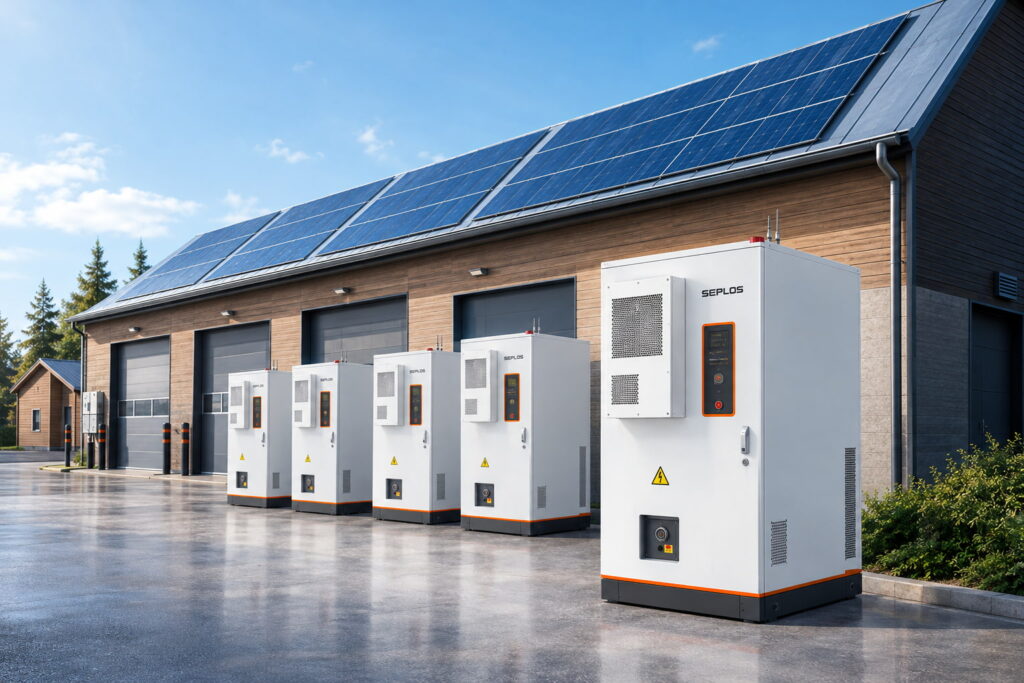
As more homeowners turn to solar power, choosing the best solar battery backup system for home has become a top priority. A well-chosen storage battery not only helps cut energy bills but also provides peace of mind during outages. Potential electricity savings depend on local tariffs, time-of-use pricing, solar generation, battery efficiency, operating strategy, system size, and household consumption. A battery does not guarantee the same financial return in every location. If you’re considering adding a home energy storage solution, here’s what you need to know before buying.
Choosing the right home energy battery storage system starts with understanding daily electricity use, essential backup loads, solar generation, inverter compatibility, available installation space, and the expected backup duration.
The best system is not necessarily the battery with the largest advertised capacity. It should provide suitable usable capacity, sufficient power output, reliable safety protection, and long-term compatibility with the household’s energy system.
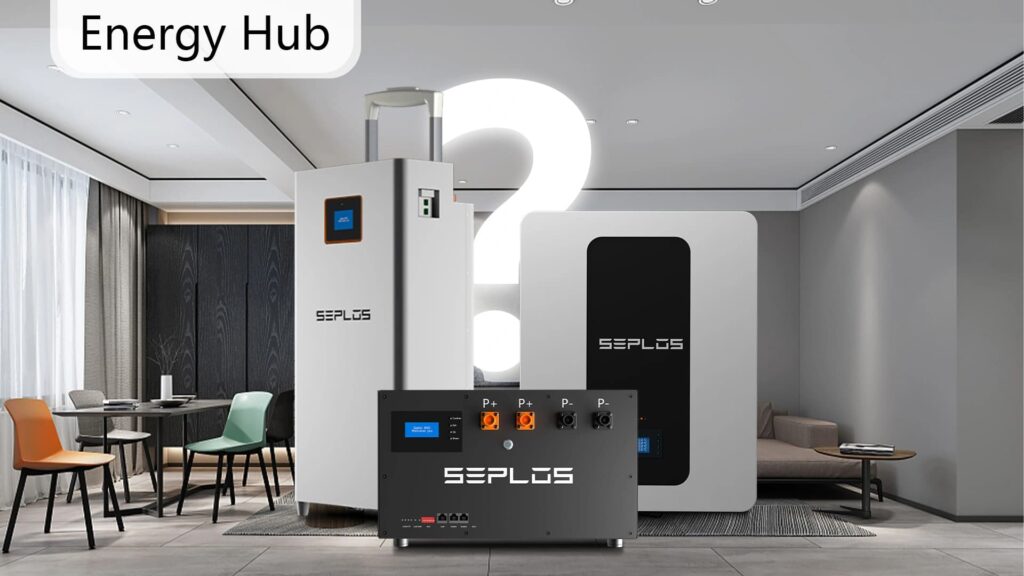
What Is a Home Energy Storage Battery?
A home battery works like an energy reservoir. During the day, when solar panels produce excess electricity, or at night when grid power is cheaper, the battery stores that energy. Later, during peak hours or unexpected blackouts, the system automatically supplies power to your entire house without manual intervention. In simple terms, it ensures energy independence and security.
Whole-home backup capability depends on usable battery capacity, inverter output, transfer equipment, reserved state of charge, electrical configuration, and the number of connected loads. Some systems are configured only for selected essential circuits rather than every appliance in the home.
When comparing batteries, homeowners should distinguish between nominal capacity and usable capacity. Nominal capacity is the total stated battery capacity, while usable capacity is the amount of energy that can actually be delivered after reserve settings, depth-of-discharge limits, and system protection requirements are considered.
Types of Home Battery Backup Systems
When comparing whole home battery backup systems, you’ll find several technologies available:
Lithium-ion batteries (LiFePO4, NMC, LTO): High energy density, long lifespan, and high efficiency. LiFePO4 is currently the most popular for home storage due to its safety and durability.
Why LiFePO4 Is Commonly Used for Home Energy Storage
LiFePO4 batteries are widely selected for residential storage because they generally offer good thermal stability, long cycle life, low maintenance, and suitability for regular charging and discharging.
Actual performance still depends on cell quality, BMS protection, inverter settings, operating temperature, installation quality, and the charging strategy used by the system.
Lead-acid batteries: Lower cost but bulky, less efficient, and shorter lifespan. Best for very tight budgets.
Solid-state batteries: Next-generation safety and density, but not yet mainstream.
In terms of installation style, homeowners can choose wall-mounted, modular stackable, or all-in-one systems with integrated inverters, depending on available space and power needs.
Key Parameters to Look For
To choose the right battery backup for home power outage, you’ll want to evaluate several critical specifications:
Capacity (kWh): A 3–4 person household typically needs between 5–15kWh to stay powered through the day and night.
Voltage compatibility: Ensure the battery works with your existing solar inverter or grid setup.
Cycle life: A high-quality lithium battery should last over 6,000 cycles, meaning 10–15+ years of use.
Efficiency & safety: Look for high charging/discharging efficiency and certifications (e.g., IP65 protection for outdoor use).
Smart monitoring: Remote control and energy management via app enhance user convenience.
Matching the Right System to Your Home
When evaluating options, balance whole home battery backup cost with your actual daily energy needs. For example:
Light users (8kWh/day): ~5kWh battery
Average family (15kWh/day): ~10kWh battery
High-demand homes or blackout-prone areas: 15kWh+
When Is a 15kWh Home Battery Suitable?
A 15kWh home battery may suit households with higher daily electricity consumption, larger essential backup loads, longer expected outages, or substantial rooftop solar generation.
The required size should still be calculated from usable capacity, appliance power, expected runtime, solar production, and household consumption. A 15kWh rating alone does not confirm that the battery can operate every appliance simultaneously.
Battery Capacity vs. Power Output
Battery capacity, measured in kWh, determines how long stored energy may last. Power output, measured in kW, determines how many appliances or circuits can operate at the same time.
For backup applications, homeowners should compare both continuous output and short-term peak output, especially when the system may need to start refrigerators, pumps, air conditioners, or other equipment with high startup demand.
Also, always check compatibility with your existing solar panels and inverters to avoid performance issues.
Choosing Energy Storage Systems for Homes
When choosing energy storage systems for homes, compare:
- Daily household electricity consumption
- Essential backup circuits
- Required backup duration
- Nominal and usable capacity
- Continuous and peak output power
- Battery chemistry
- Expected cycle life
- BMS and inverter compatibility
- Solar charging capability
- Operating temperature range
- Installation space
- Remote monitoring
- Product warranty
- Technical and after-sales support
The final system should match the household’s actual electricity profile rather than relying only on a standard capacity recommendation.
Why Choosing the Right Manufacturer Matters
Not all home battery manufacturers are the same. A trusted brand ensures better warranty coverage, safer technology, and responsive customer service. Opting for a reputable company may cost a little more upfront but guarantees long-term reliability and fewer headaches down the road. With over a decade of expertise in energy storage battery manufacturing, Seplos delivers mature and reliable energy storage systems tailored for both residential and commercial applications. All products meet international, especially European certification standards, ensuring safety and long-term performance.
When evaluating a Seplos battery for residential use, homeowners should provide the required capacity, inverter model, system voltage, solar configuration, installation environment, and backup requirements so that compatibility can be confirmed before purchase.
Investing in the best solar battery backup system for home is no longer a luxury—it’s a smart choice for energy security, cost savings, and peace of mind. By carefully comparing capacity, cost, and manufacturer reliability, you can find the perfect solution tailored to your family’s needs.
Ready to power your home with confidence? Start exploring trusted whole home battery backup systems today and enjoy the benefits of true energy independence.
Final Checklist Before Buying a Home Energy Storage Battery
Energy Requirements
Review daily electricity consumption, essential backup loads, solar generation, peak power demand, and desired backup duration.
Technical Compatibility
Confirm system voltage, inverter model, communication protocol, usable capacity, output power, BMS compatibility, and solar charging requirements.
Installation and Support
Check available installation space, operating temperature, ventilation, certification requirements, warranty coverage, monitoring functions, and technical support.
A suitable home energy storage battery should provide the right balance of capacity, power, safety, compatibility, service life, and lifetime cost.
FAQs About Home Energy Storage Batteries
Start by reviewing daily electricity use, essential backup loads, required runtime, solar production, inverter compatibility, usable capacity, power output, installation space, and budget.
Capacity depends on daily consumption, backup requirements, solar generation, and expected outage duration. Smaller systems may support selected essential loads, while higher-demand homes may require 15kWh or more.
A 15kWh battery may be suitable for many households, but actual runtime depends on usable capacity and connected loads. High-power appliances can consume stored energy much faster than lighting, internet equipment, or refrigeration.
Capacity in kWh indicates how much energy is stored. Power in kW indicates how much electricity the battery can deliver at one time.
The battery, BMS, and inverter must communicate and operate correctly together. Poor compatibility may cause charging problems, communication errors, alarms, or limited system performance.
LiFePO4 is commonly used because it generally provides good thermal stability, long cycle life, low maintenance, and reliable performance for frequent charging and discharging.
It can when the system capacity, inverter output, transfer equipment, wiring, and backup configuration support whole-home operation. Many systems are instead configured to power selected essential circuits.