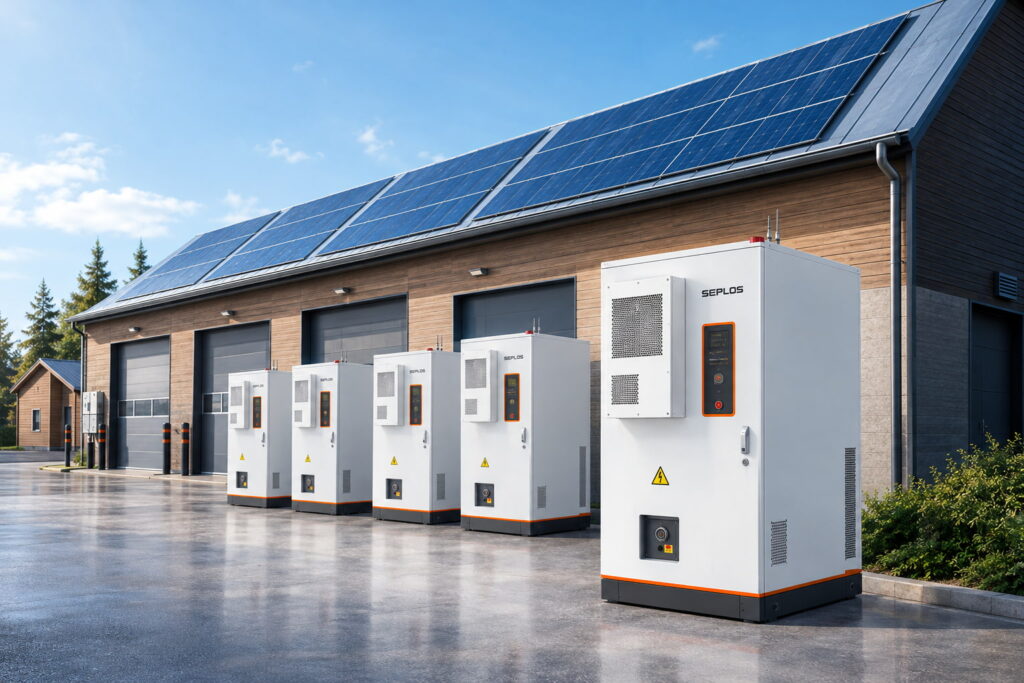
For the Commercial and Industrial (C&I) energy storage, the stakes are much higher than in residential applications. C&I projects are complex — they involve larger capacities, diverse load patterns, grid interaction, safety compliance, and ROI optimization. In this context, choosing the right energy storage system integrator becomes a critical decision that can determine the project’s long-term success.
Unlike home storage systems, where “plug-and-play” solutions might work, C&I storage projects require deep technical integration, precise design, and seamless coordination between hardware, software, and grid operations. This is why businesses should carefully vet their BESS (Battery Energy Storage System) integrator before signing a contract.
Quick Answer: What Does an Energy Storage System Integrator Do?
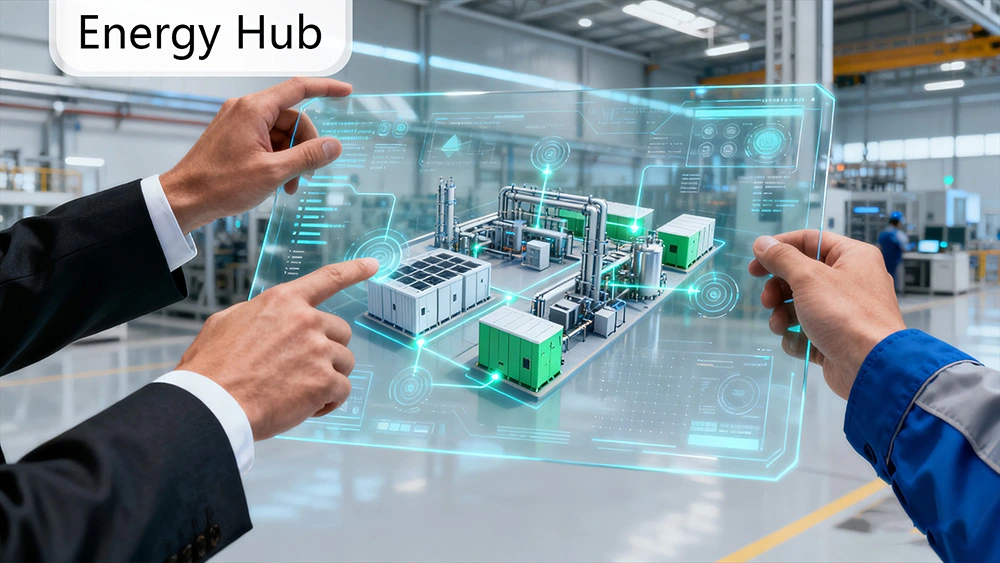
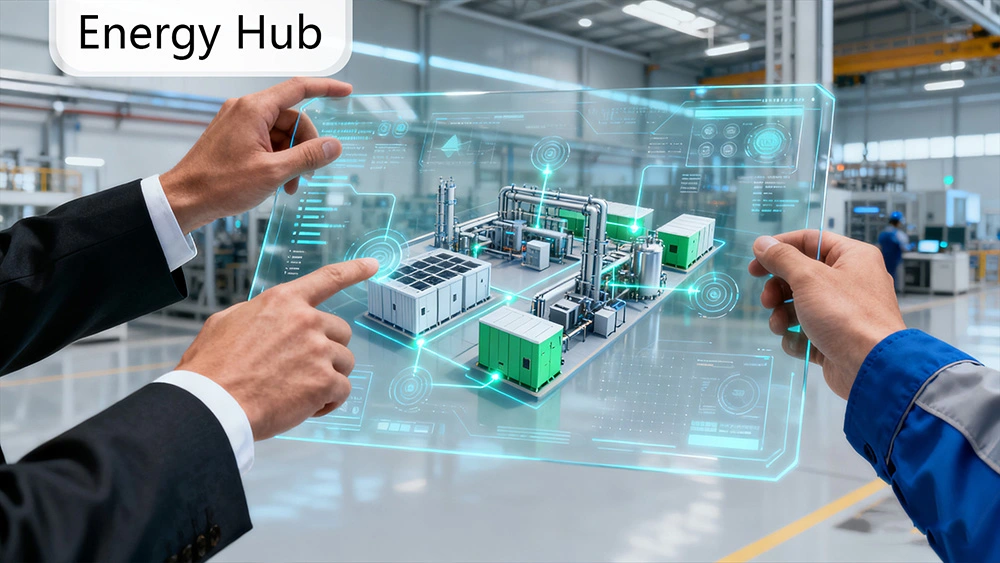
An energy storage system integrator designs, combines, and manages different components of a BESS project, including batteries, PCS, EMS, BMS, and monitoring systems. A qualified integrator ensures the system is optimized for safety, performance, scalability, and long-term operation.
Why Experience and Technical Depth Matter
The difference between a good project and a great one often lies in the integrator’s expertise. The best integrators combine engineering knowledge, cross-domain technical strength, and real-world project experience.
A capable partner should be more than an installer — they must understand battery chemistry, energy management algorithms, power electronics, and grid interaction.
Leading commercial battery storage providers are evolving from simple equipment suppliers into full-scope solution partners. These partners handle every phase — from system design and component selection to software control, commissioning, and long-term maintenance.
How to Vet a BESS Integrator
To help you evaluate potential partners, here’s a clear checklist on how to vet a BESS integrator effectively:
1. Technical Expertise
- Look for mastery across power electronics, battery chemistry, thermal management, and BMS (Battery Management System).
- Ensure they can design systems that balance safety, performance, and longevity.
- Check if their solutions integrate IoT and AI-driven monitoring for predictive maintenance.
2. Proven Project Experience
- Review previous C&I energy storage projects — ideally across various countries and grid environments.
- Ask for measurable results such as peak shaving performance, energy cost reduction, or grid services participation.
- Confirm their experience with local regulations, certification, and utility integration.
3. System Design & Customization Capability
- A strong integrator doesn’t sell one-size-fits-all products. They tailor solutions based on load profiles, renewable inputs, and business models.
- Evaluate whether their system architecture supports scalability and modular upgrades.
4. Post-Project Support & Maintenance
- Ongoing O&M (Operation and Maintenance) is essential for maximizing system ROI.
- Confirm whether the company provides 24/7 monitoring, remote diagnostics, and local service teams.
- Ask about their data analytics tools — these often determine how efficiently you can manage your system in the long run.
5. Financial and Partnership Stability
- Since C&I energy projects last 10–15 years or more, you need a partner with financial stability and long-term commitment.
- Investigate their supply chain reliability and partnerships with top commercial energy storage companies.
Frequently Asked Questions About BESS Integrators
H3 What should businesses look for in a BESS partner?
Businesses should evaluate technical expertise, project experience, system customization ability, safety standards, and long-term service capabilities before selecting a partner.
H3 Why do C&I energy storage projects need professional integration?
Commercial and industrial projects involve complex requirements such as large capacity systems, grid interaction, energy management, and regulatory compliance. Professional integration helps ensure reliable system performance.
H3 What components does a battery storage integrator manage?
A professional integrator coordinates key components including battery modules, PCS, BMS, EMS, thermal management systems, and monitoring platforms to create a complete solution.
H3 How can companies evaluate an energy storage provider?
Companies should review previous projects, technical certifications, manufacturing capabilities, maintenance services, and the provider’s ability to deliver customized solutions.
H3 Why is after-sales support important for BESS projects?
Long-term monitoring, maintenance, and remote diagnostics help maximize system availability, improve ROI, and extend the operational lifetime of the energy storage system.
Why Seplos Stands Out
Seplos is a leading name among commercial battery storage providers, offering complete and reliable energy storage solutions tailored for C&I users worldwide.
With a strong foundation in six core technologies — power electronics, new materials, battery technology, thermal management, battery management systems, IoT, and AI-driven big data — Seplos provides end-to-end services that cover every phase of your project:
- Design & Engineering: System-level customization for each use case.
- R&D & Manufacturing: Industry-grade reliability backed by in-house innovation.
- Project Construction: Rapid deployment and seamless grid integration.
- Professional O&M: 24/7 monitoring, predictive maintenance, and lifecycle management.
Seplos has successfully delivered multiple C&I energy storage projects in Germany and Austria, helping businesses achieve peak shaving, energy independence, and cost optimization. These projects demonstrate Seplos’s ability to deliver performance, reliability, and economic value on an international scale.
The path to a successful C&I energy storage project begins with choosing the right integrator — one that brings proven expertise, technological innovation, and a long-term service mindset.
Conclusion
Selecting the right energy storage system integrator directly impacts the safety, efficiency, and long-term profitability of a C&I project. A qualified partner should provide not only reliable hardware but also system design, engineering support, monitoring, and lifecycle services.
Seplos delivers customized C&I energy storage solutions supported by advanced battery technology, intelligent management systems, and international project experience. Contact our team to discuss your energy storage requirements and find the right solution for your project.