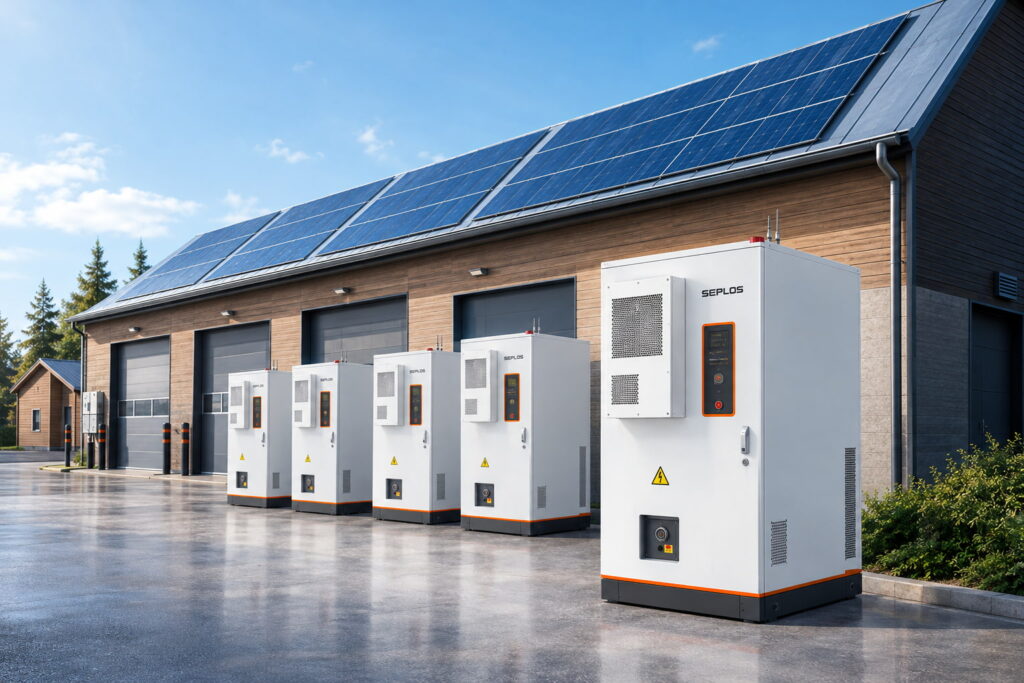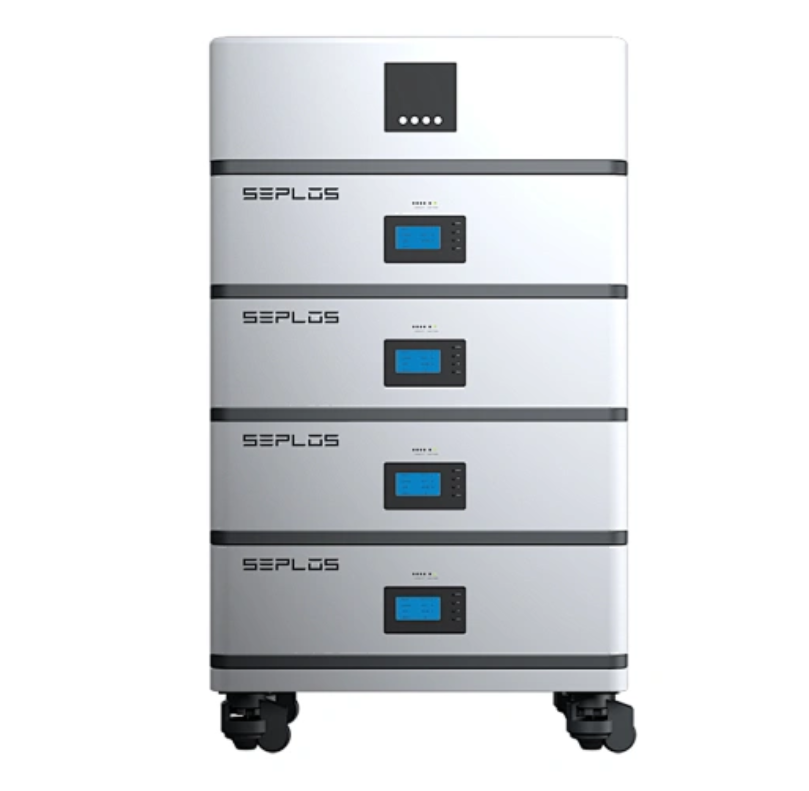
As the demand for sustainable energy solutions rises, selecting the right energy storage system battery manufacturers becomes crucial for businesses and homeowners alike. The right choice can significantly impact efficiency, cost-effectiveness, and overall performance. This article will guide you through essential considerations to make an informed decision when choosing a battery energy storage system company.
Choosing the right energy storage solutions company requires more than comparing battery prices. Buyers should evaluate system design capability, battery technology, BMS and inverter compatibility, certifications, customization, warranty terms, production capacity, and after-sales support.
A reliable energy storage system company should be able to match the battery system to the customer’s application, provide clear technical specifications, explain system compatibility, and support installation, commissioning, and long-term operation.

A battery energy storage system manufacturer should provide solutions based on the required capacity, output power, application type, installation environment, and system communication requirements.
Understanding Your Energy Needs
Before diving into options offered by various energy storage system battery manufacturers, it’s essential to assess your specific energy requirements. Consider factors such as energy consumption patterns, the size of the installation, and whether the system will primarily serve residential or commercial purposes.
Some manufacturers specialize in certain applications, which can influence the type of technology they offer. For example, companies focused on commercial energy storage may provide scalable solutions designed for larger capacities, while those targeting residential markets might emphasize user-friendly systems with smart technology integration. Identifying your needs will help narrow down the list of potential energy storage system battery manufacturers that suit your objectives.
Define the Application and System Requirements
Before contacting suppliers, clarify:
- Residential, commercial, industrial, or utility-scale application
- Required usable energy capacity
- Continuous and peak output power
- Backup duration
- Solar, grid, or generator integration
- Indoor or outdoor installation
- Operating temperature range
- Communication protocol
- Local certification requirements
- Future expansion plans
Clear project requirements make it easier to compare suppliers and reduce the risk of selecting an unsuitable battery system.
Evaluating Technology and Product Offerings
The next step is to evaluate the technology and products available from various energy storage system battery manufacturers. Each manufacturer may have different battery chemistries, such as lithium-ion, lead-acid, or flow batteries, each with unique advantages and weaknesses. Lithium-ion batteries are widely recognized for their high energy density and compact size, making them suitable for both commercial and residential applications. Conversely, flow batteries can be more scalable and longer-lasting, which may be beneficial for long-term projects.
When evaluating an energy storage solutions manufacturer, battery chemistry should not be considered alone. Buyers should also compare cell quality, usable capacity, cycle life, depth of discharge, BMS design, inverter compatibility, thermal management, communication functions, and system efficiency.
It is also vital to consider additional features offered by these manufacturers, such as monitoring capabilities, warranty terms, and compatibility with renewable energy sources like solar panels. Research the specifications and real-world performance data of the energy storage systems to ascertain their reliability and effectiveness.
Check Certifications and Test Documentation
Ask the supplier to provide available product certifications, cell test reports, battery safety documentation, quality-control records, and shipment compliance information. Required standards vary by market and application, so buyers should confirm whether the proposed system meets the regulations of the destination country.
Evaluate System Integration Capability
A qualified energy storage system company should understand how the battery communicates with the inverter, energy management system, charger, solar system, or grid connection equipment. Buyers should confirm supported communication protocols, approved inverter lists, remote monitoring options, firmware support, and commissioning procedures.
Assessing Support and Customer Service
Another critical aspect when selecting energy storage system battery manufacturers is the level of support they provide. From installation assistance to ongoing maintenance, having responsive customer service can significantly impact the operation of your energy storage system. Evaluate reviews and testimonials from other customers to gauge satisfaction regarding support services.
When deciding how to choose an energy storage solutions company, ask who will handle technical questions before and after delivery. Confirm response times, troubleshooting procedures, spare-part availability, remote support capability, warranty claim processes, and whether installation or commissioning guidance is available.
Additionally, many reputable energy storage system battery manufacturers provide extensive educational resources about their products. This transparency can be invaluable when troubleshooting or optimizing your energy setup, ensuring you receive adequate guidance throughout your system’s lifespan.
Review Customization and Production Capability
For B2B, OEM, or project-based orders, compare whether the manufacturer can customize battery capacity, system voltage, cabinet design, communication settings, connectors, branding, packaging, and documentation. Production lead time, sample availability, quality inspection, and batch consistency should also be reviewed before placing a bulk order.
How to Compare Energy Storage Solutions Companies
Compare each supplier using the same evaluation criteria:
- Relevant project experience
- Battery chemistry and cell quality
- Usable capacity and power output
- BMS and inverter compatibility
- Safety design and thermal management
- Certifications and test reports
- Communication and monitoring functions
- OEM and customization capability
- Production capacity and delivery time
- Warranty terms
- Technical support
- Spare parts and after-sales service
- Total system cost
Using a consistent comparison checklist makes it easier to identify which supplier offers the strongest balance of technical capability, reliability, service, and long-term value.
Conclusion
In conclusion, choosing the right energy storage system battery manufacturer involves a careful evaluation of your energy requirements, product offerings, and customer support. By conducting thorough research and comparing options from multiple manufacturers, you can make an informed decision that meets your energy storage needs effectively.
At Seplos, we aim to provide flexible solutions tailored to unique energy storage needs, from bulk orders to customized small packaging. Our expert team is committed to helping you find the most effective energy storage system tailored to your requirements.
Before requesting a quotation, prepare your required capacity, system voltage, output power, application, inverter model, communication protocol, installation environment, quantity, certification market, and delivery schedule. Clear project information helps the manufacturer recommend a more suitable battery energy storage solution.
FAQs About Choosing an Energy Storage Solutions Company
Compare the company’s system design experience, battery technology, BMS and inverter compatibility, certifications, customization capability, warranty terms, production capacity, and after-sales support.
Ask about usable capacity, output power, cell brand, cycle life, BMS functions, compatible inverters, communication protocols, certifications, production lead time, warranty, and technical support.
The battery, BMS, and inverter must communicate and operate correctly together. Poor compatibility can cause communication errors, charging problems, protection alarms, or reduced system performance.
Certification requirements depend on the product type, application, and destination market. Buyers should ask the supplier which safety, transport, electrical, and local compliance documents are available for the proposed system.
Customization is important for OEM orders and projects requiring specific voltage, capacity, cabinet design, connectors, communication settings, branding, packaging, or certification documentation.
Provide the application, required capacity, system voltage, output power, inverter model, installation environment, communication protocol, quantity, destination market, certification requirements, and expected delivery time.