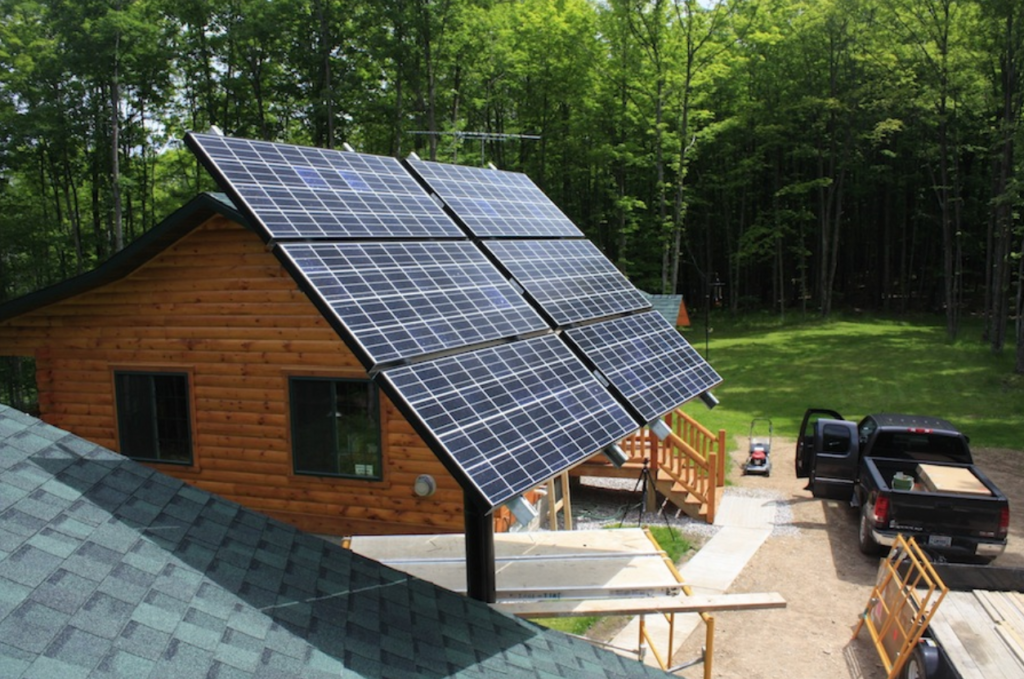
As households increasingly turn to renewable energy sources, selecting the right 48V energy storage system becomes a critical decision. These systems serve as integral components in harnessing solar energy, providing backup power, and enhancing energy efficiency. Understanding how to choose the right 48V energy storage system is essential for optimizing household energy use.
Assessing Your Energy Requirements
The first step in selecting a suitable 48V energy storage system is assessing your household’s energy needs. Consider your daily electricity consumption, which includes lighting, appliances, heating, and cooling systems. By analyzing utility bills or using energy monitors, you can establish a baseline for your energy usage.
In determining your energy requirements, it is also important to account for peak usage periods. Knowing when your household consumes the most energy will help you determine the capacity needed in a 48V energy storage system. Many homeowners opt for systems that can store enough energy to cover their needs during peak usage, while also accommodating days with less solar generation.
Evaluating System Capacity and Compatibility
Once you have a clear understanding of your energy needs, the next step is to evaluate the capacity of various 48V energy storage systems. A high-capacity system will allow you to store more energy for use when needed. Generally, a 48V energy storage system China will have capacities ranging from 10 kWh to over 30 kWh, depending on the model and manufacturer.
Compatibility with existing equipment, such as solar panels and inverters, is crucial when selecting a system. Ensuring that your new energy storage system integrates seamlessly with your current setup will maximize efficiency and reliability. Reading product specifications and consulting with manufacturers can provide clarity on compatibility issues.
Considering Features and Technology
Different 48V energy storage systems come equipped with various features that enhance their functionality. Consider systems that offer advanced battery management technology, efficient cooling systems, and safety features. These attributes not only improve overall performance but also prolong the lifespan of the energy storage system.
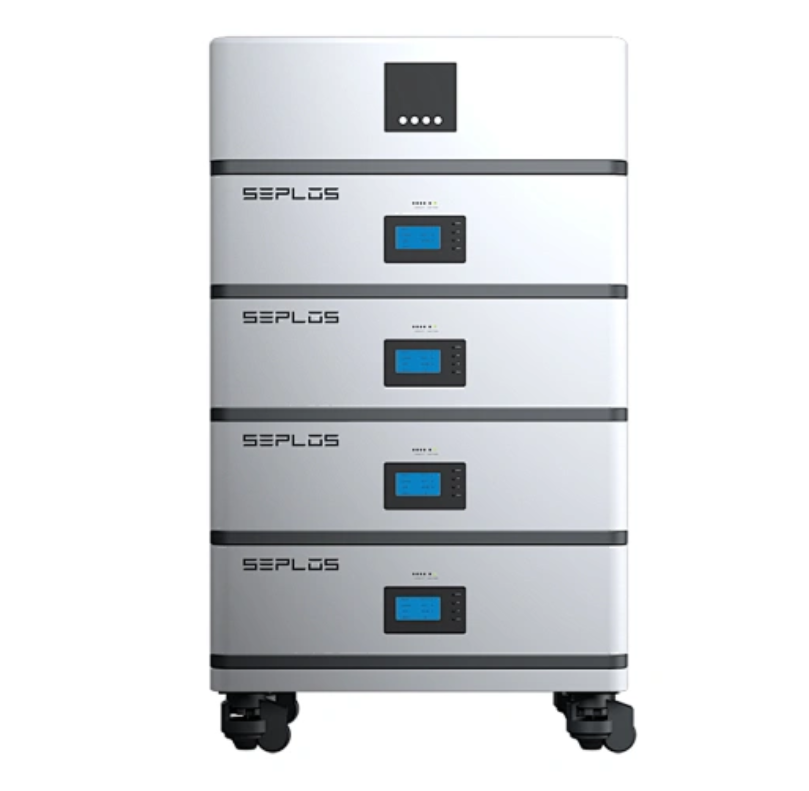
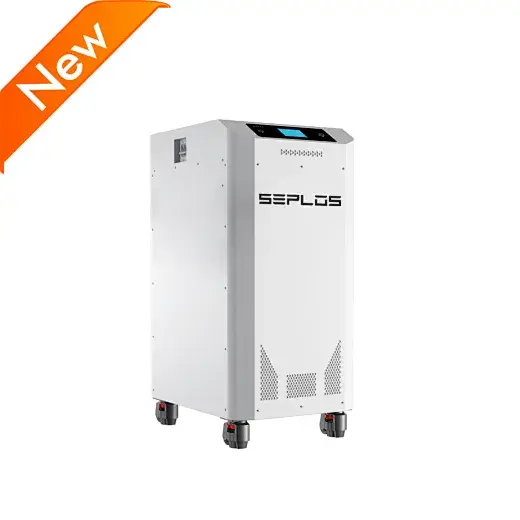
For instance, a system like the Seplos Mason 560 48V LiFePo4 Energy Storage System is designed specifically for household renewable energy solutions and off-grid power. Its impressive 32 kWh storage capacity ensures reliable energy management, while its smart cooling fan and dust-proof honeycomb vents work to prevent overheating and extend the system’s longevity.
Conclusion
In conclusion, choosing the right 48V energy storage system requires a thorough assessment of energy needs, careful evaluation of system capacity and compatibility, and consideration of features and technology. By taking these factors into account, homeowners can optimize their energy use and enhance their sustainability efforts. For those seeking innovative solutions in energy storage, Seplos offers high-quality products designed to meet diverse household needs. The Seplos Mason 560 48V Energy Storage System exemplifies reliable and efficient energy management, supporting families in their journey toward sustainable living.
FAQs About Choosing a 48V Energy Storage System
Start by calculating your daily electricity consumption, required backup loads, preferred backup duration, and available solar generation. Then choose a system with suitable usable capacity, inverter compatibility, and expansion options.
The required capacity depends on how much electricity your household uses and which appliances need backup power. Essential loads require less capacity, while whole-home backup generally needs a larger battery system.
A 48V battery system can be used with solar panels when paired with a compatible inverter or hybrid inverter. Always confirm the supported battery voltage, communication protocol, charging current, and system configuration.
Important features include a reliable BMS, overvoltage and undervoltage protection, overcurrent protection, temperature monitoring, short-circuit protection, and suitable circuit breakers or fuses.
Some systems support parallel battery expansion, allowing homeowners to add capacity as energy needs increase. Check the manufacturer’s maximum parallel quantity and compatibility requirements before installation.