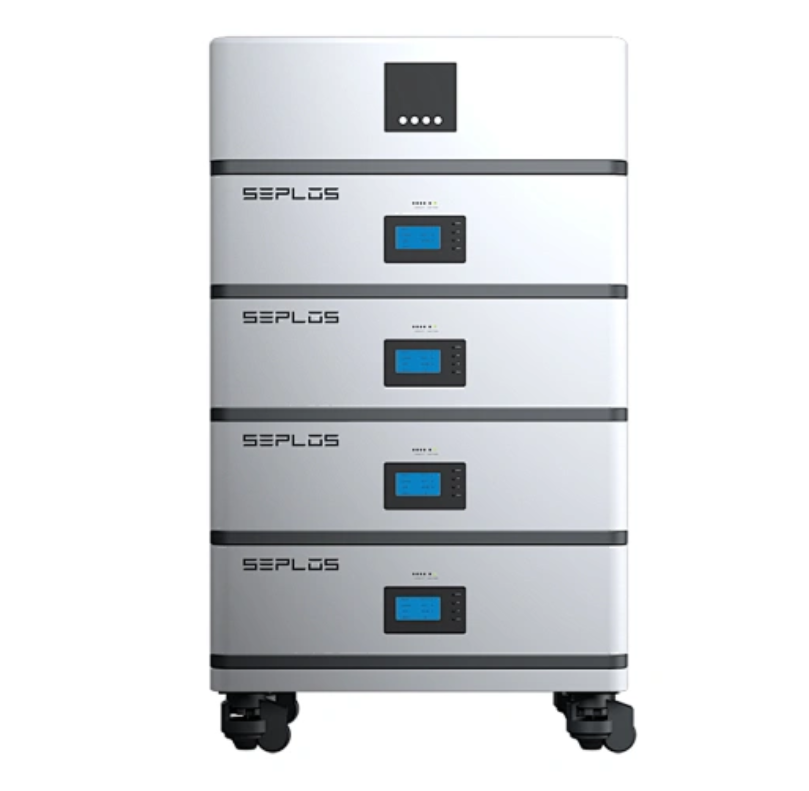
As the demand for efficient energy storage solutions increases, the role of high voltage battery management systems (BMS) becomes more critical than ever. These sophisticated systems are essential in monitoring the performance and health of high voltage batteries in various applications, ensuring safety and longevity.
A high voltage battery management system continuously collects and analyzes battery data, including voltage, temperature, and current information, to maintain reliable operation and protect the battery pack. Understanding how a high voltage BMS operates can provide insights into its importance in modern battery technology.
The Role of High Voltage BMS in Battery Management
A high voltage BMS serves multiple functions designed to optimize battery performance while safeguarding against potential hazards. By continuously monitoring critical parameters such as voltage, temperature, and current, the BMS plays a pivotal role in maintaining the overall health of the battery system.
One important function of modern battery management systems is cell voltage monitoring by BMS, which helps identify voltage differences between individual cells and prevents potential imbalance issues.
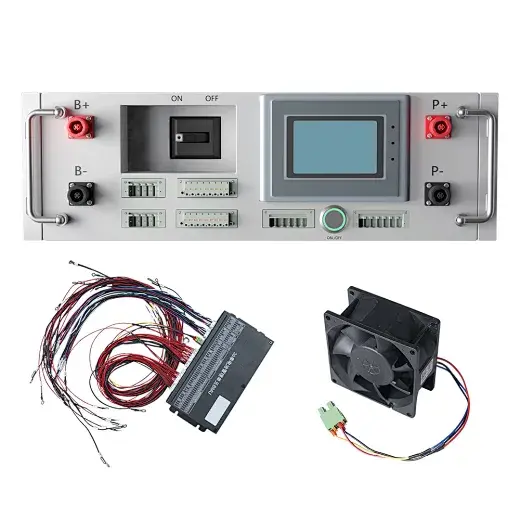
For instance, the 36s high voltage battery BMS incorporates components like the Battery Control Unit (BCU) and Battery Management Unit (BMU), which work together to provide real-time insights into the status of the battery pack. This level of monitoring is vital, especially in applications where performance consistency is crucial, such as in electric vehicles, renewable energy systems, and industrial power solutions.
High voltage BMS solutions are designed to provide accurate monitoring and protection for demanding applications that require stable energy output and long operating cycles.
Key Features of High Voltage Battery BMS
One of the standout features of high voltage BMS is its ability to protect battery modules from various operational risks. The BCU in a high voltage BMS supports a maximum of 270 series LiFePo4 battery modules and is equipped to prevent issues such as overcharging, over-discharging, overcurrent, and extreme temperatures. By incorporating multiple levels of alarm mechanisms, it ensures that any irregularities are quickly addressed to avoid damage to the battery system.
Additionally, the BMU is tasked with precise sampling of individual cell voltages and temperatures, allowing for detailed monitoring of each battery cell’s condition. These measurements are also important battery performance indicators, helping operators evaluate battery health, efficiency, and remaining service life.
This enables the BMS to make informed decisions about charging and discharging processes based on real-time data. Furthermore, the BMS supports communication protocols such as RS485 and CAN, facilitating seamless data exchange between the BMU and BCU, which enhances the system’s overall functionality and responsiveness.
Thermal Management and Safety Enhancements
Effective thermal management is another critical aspect addressed by high voltage battery BMS. The incorporation of a dedicated fan within the system helps cool the battery modules, thereby preventing thermal runaway—a significant risk in high voltage battery setups. Maintaining optimal temperature conditions not only ensures safe operation but also enhances the longevity of the battery system.
The high voltage BMS’s ability to monitor and manage thermal conditions is particularly important in applications with high energy demands, where excessive heat can lead to performance degradation or even catastrophic failure.
Conclusion
In conclusion, high voltage battery management systems are essential for monitoring battery performance and health, providing critical oversight to ensure safety and efficiency. By utilizing advanced components like the BCU and BMU, these systems effectively mitigate risks associated with battery operation while promoting optimal performance. For those looking to invest in reliable high voltage battery solutions, Seplos offers innovative products designed to enhance energy storage capabilities. With solutions that prioritize performance and safety, Seplos delivers the tools needed to embrace the future of energy storage confidently.
With advanced monitoring capabilities, a high voltage battery management system provides the foundation for safer, smarter, and more efficient energy storage solutions.
FAQs About High Voltage Battery Management Systems
A high voltage battery management system is a control system that monitors and protects high voltage battery packs by managing key parameters such as voltage, temperature, current, and battery health.
A high voltage BMS monitors battery performance by collecting real-time data from sensors and analyzing voltage, current, temperature, and charging conditions.
Cell voltage monitoring helps detect differences between individual battery cells, preventing overcharging, imbalance, and potential battery damage.
A BMS typically monitors voltage, current, temperature, state of charge (SOC), and battery health indicators to ensure safe operation.
High voltage BMS systems are widely used in renewable energy storage, electric vehicles, industrial batteries, and other high-power applications.
By controlling charging, preventing unsafe operating conditions, and monitoring battery conditions, a BMS helps reduce degradation and extend battery service life.