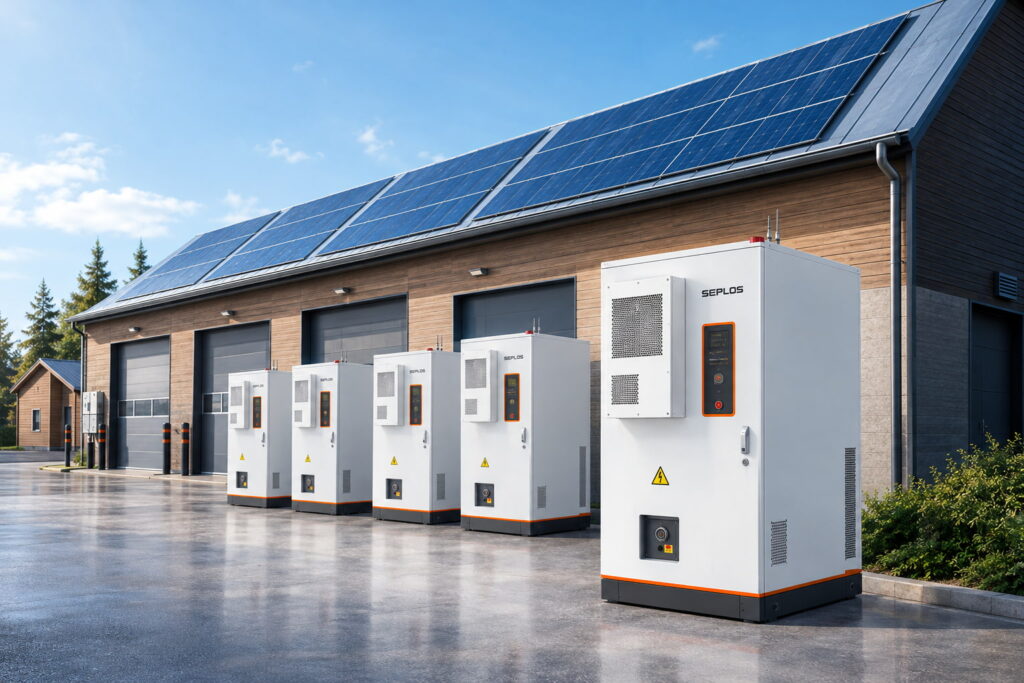
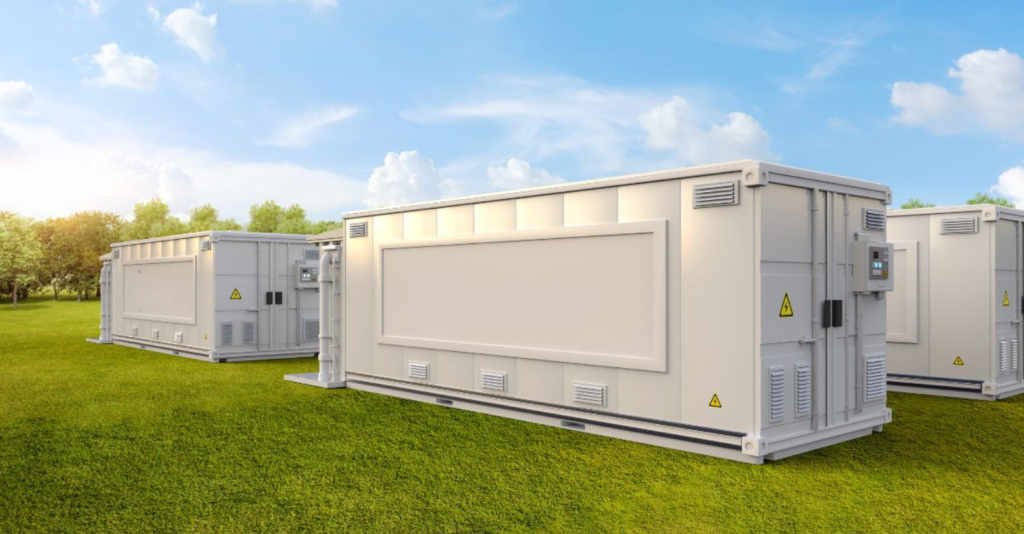
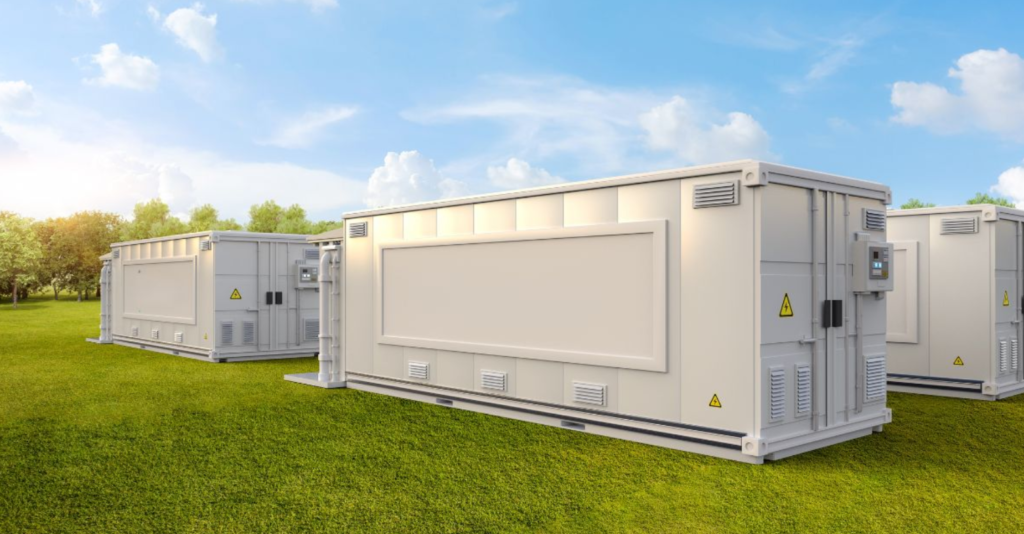
Commercial and industrial energy storage systems (BESS) play a vital role in supporting the stability of modern power grids. These systems help manage fluctuations in electricity supply and demand, ensuring reliability while also facilitating the integration of renewable energy sources. With the increasing complexity of grid operations, these storage solutions provide essential services such as frequency regulation, backup power, and a stable platform for renewable energy integration.
In this context, an industrial grid support system uses battery storage, power conversion equipment, and energy management controls to coordinate electricity supply, facility demand, and grid conditions. Unlike a standalone backup battery, a C&I energy storage system can support both on-site operations and wider grid requirements, depending on the system design and local grid rules.
Supporting Grid Stability with Frequency Regulation and Voltage Support
One of the primary benefits of commercial battery energy storage systems is their ability to provide frequency regulation. Power grids must maintain a specific frequency, typically 50 or 60 Hz, for stable operation. When there is a mismatch between supply and demand, the grid frequency can fluctuate. Commercial and industrial energy storage systems act quickly to inject or absorb power, restoring the frequency to its optimal level. This ability to balance supply and demand in real time helps maintain grid reliability and prevent outages.
Voltage support is another critical service offered by energy storage systems. Voltage fluctuations can lead to system failures, especially in industrial operations where consistent power is essential. By stabilizing voltage, energy storage systems ensure that power is delivered smoothly, avoiding disruptions to sensitive equipment and maintaining the overall health of the grid.
Backup Power During Outages to Ensure Reliability
Energy storage systems are essential for providing backup power during outages, which is crucial for industries that cannot afford downtime. In the event of a grid failure, commercial battery energy storage systems can instantly supply power, ensuring that businesses continue to operate without interruption. This backup capacity is especially valuable for critical infrastructure, such as hospitals, data centers, and manufacturing plants, where even short-term power loss can result in significant financial and operational losses.
Moreover, these systems help mitigate the need for costly backup generators, reducing long-term maintenance costs and carbon emissions. Businesses can rely on battery storage to provide a seamless transition during power interruptions, enhancing both reliability and operational continuity.
Integrating Renewable Energy Sources for a Balanced Power Supply
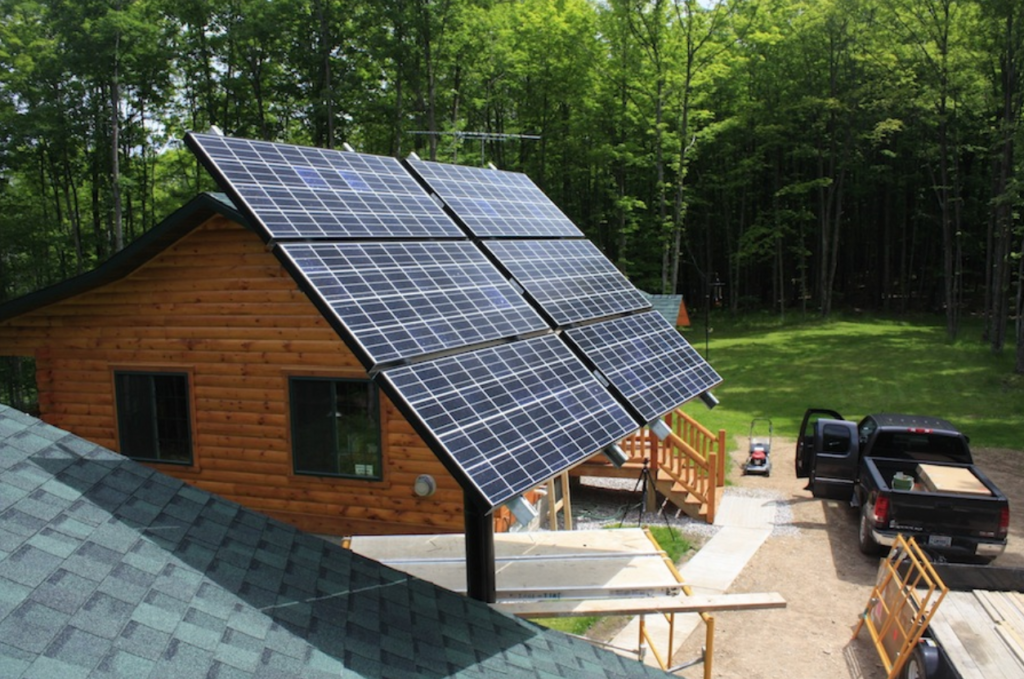
As the demand for renewable energy grows, integrating these sources into the power grid becomes increasingly complex. Commercial and industrial energy storage systems are essential for managing the variability of renewable energy generation, particularly solar and wind power, which can fluctuate throughout the day.
By storing excess renewable energy when supply is high, these systems can release power when demand peaks or renewable generation is low. This function helps stabilize the power grid by ensuring that there is a constant and reliable supply of energy. In addition, energy storage systems reduce reliance on fossil fuel-based backup power, contributing to a greener, more sustainable energy mix.
What an Industrial Grid Support System Typically Includes
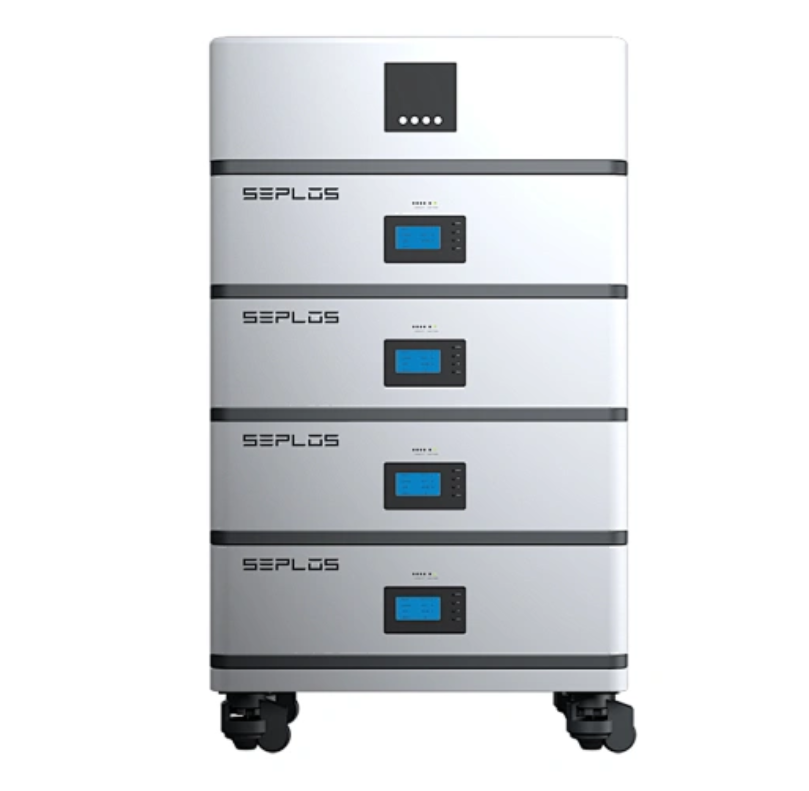
A commercial and industrial grid energy solution usually requires more than battery capacity alone. The complete system may include battery modules, a battery management system, a power conversion system, an energy management system, switchgear, protection devices, and monitoring equipment.
The battery management system monitors cell conditions and helps keep the battery operating within defined limits. The power conversion system manages the flow of electricity between the batteries, facility loads, renewable energy sources, and the grid. An energy management system coordinates these components according to operating priorities, electricity demand, tariff periods, and grid requirements.
The exact system configuration depends on the facility load profile, required backup duration, available renewable generation, connection requirements, and local utility regulations. For this reason, industrial energy storage projects should be evaluated as complete power systems rather than as battery products alone.
When C&I Energy Storage Is Most Valuable for Industrial Facilities
C&I energy storage can be particularly valuable for facilities with variable electricity demand, sensitive production equipment, high peak demand, or on-site solar generation. Typical applications include manufacturing plants, logistics centers, commercial buildings, data centers, hospitals, and industrial parks.
The most appropriate operating strategy depends on the facility’s priorities. Some projects focus on backup power and operational continuity, while others prioritize renewable energy utilization, demand management, or grid support. In many cases, one system can support several objectives, but the system capacity, control strategy, and connection design must be evaluated for the specific site.
FAQ
Commercial and industrial energy storage systems can absorb or release electricity in response to changes in supply and demand. Depending on their design and grid connection, they may support frequency regulation, voltage stability, backup power, demand management, and renewable energy integration.
An industrial grid support system combines battery storage, power conversion equipment, energy management controls, protection devices, and monitoring tools to coordinate facility loads with on-site generation and grid conditions.
Battery storage can provide fast backup power and may reduce generator use, but whether it can fully replace a generator depends on the required backup duration, facility load, system capacity, charging availability, and site reliability requirements.
Businesses should review their load profile, peak demand, required backup duration, renewable energy generation, available installation space, grid connection rules, safety requirements, and intended operating strategy before specifying the system.
Conclusion
Commercial battery energy storage systems are indispensable for enhancing grid stability, providing services such as frequency regulation, voltage support, and backup power. They also enable the efficient use of renewable energy sources, ensuring a balanced and reliable power supply. As the energy landscape continues to evolve, these systems will be integral to supporting the transition to a more sustainable and resilient power grid.
For industrial buyers and project developers, effective grid support depends not only on selecting sufficient battery capacity but also on matching the BMS, power conversion system, energy management strategy, and connection design to the facility’s operating requirements.
Planning a commercial or industrial energy storage project? Share your facility load profile, backup requirements, renewable energy capacity, and grid connection needs with the Seplos team to discuss a suitable system configuration.