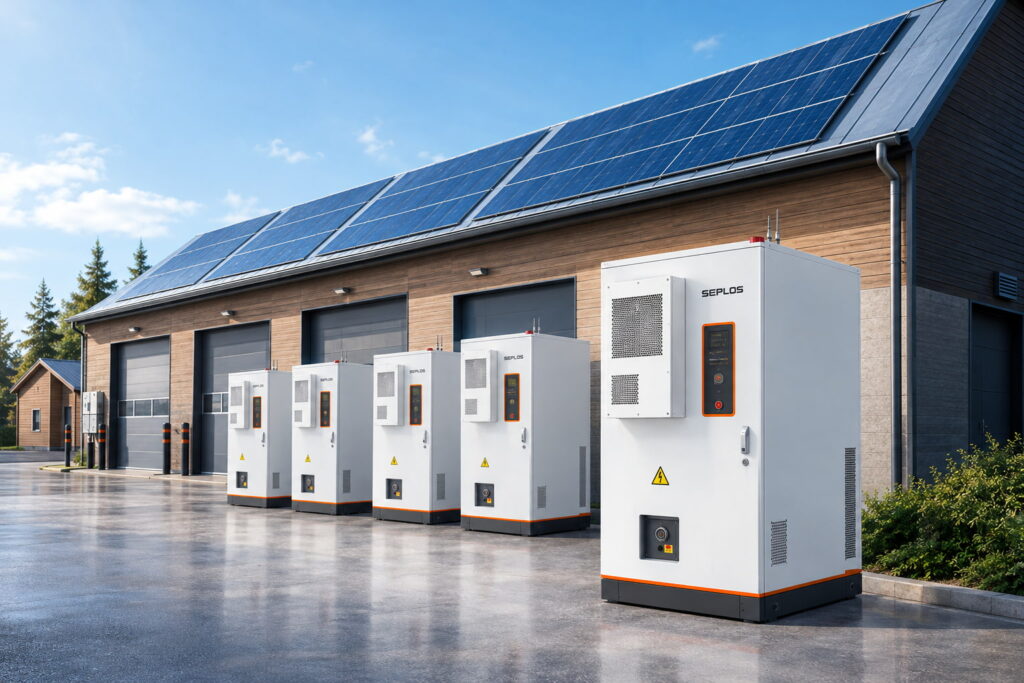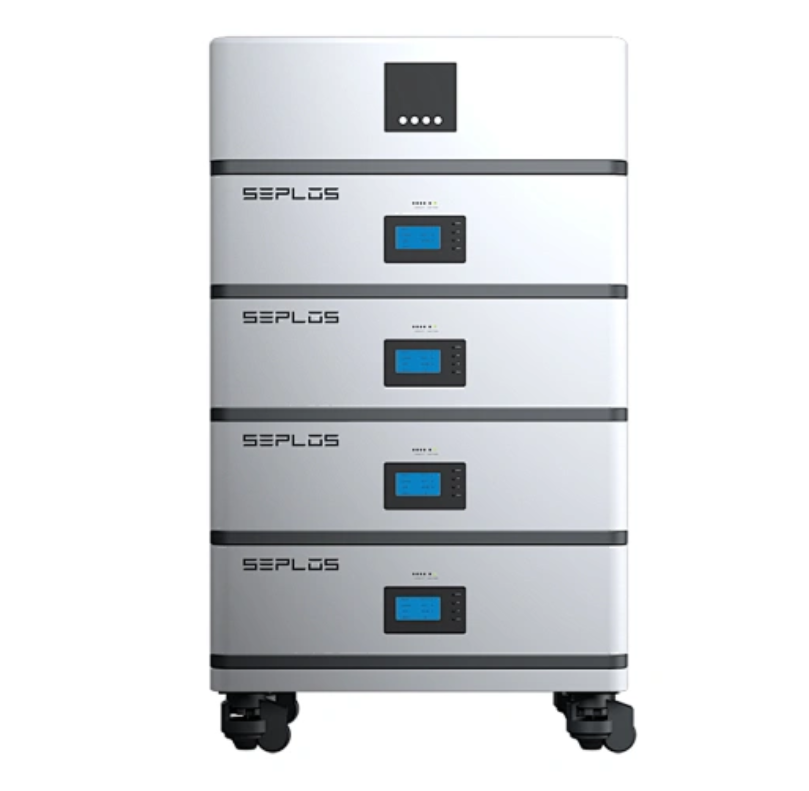

In today’s energy landscape, the importance of managing electricity demand effectively cannot be overstated. Businesses and utilities are constantly seeking ways to optimize energy consumption while minimizing costs and maintaining grid stability. This is where Battery Energy Storage Systems (BESS) come into play. BESS has emerged as a pivotal technology for improving peak shaving and load shifting, enabling more efficient energy management practices. This article explores how BESS enhances these two essential functions in the energy sector.
Quick Answer
A battery energy storage system improves peak shaving by storing electricity during low-cost periods and releasing it during peak demand times. This reduces peak power usage, lowers demand charges, and helps businesses optimize energy consumption.
Understanding Peak Shaving and Load Shifting
Peak shaving refers to the practice of reducing energy consumption during peak demand periods. Utilities often face higher operational costs during these times due to increased electricity usage, which can strain the grid and lead to the necessity for additional generation resources. By utilizing BESS, businesses can store excess energy generated during low-demand periods and discharge it during peak times, effectively “shaving” off the top of the demand curve.
On the other hand, load shifting involves moving energy consumption from high-demand periods to times when electricity is cheaper and more plentiful. Instead of using energy when prices peak, organizations can leverage BESS to store energy during off-peak hours and use that stored energy when demand—and costs—are higher. This strategy not only helps in managing energy bills but also contributes to overall grid reliability by balancing supply and demand.
The Role of BESS in Enhancing Peak Shaving
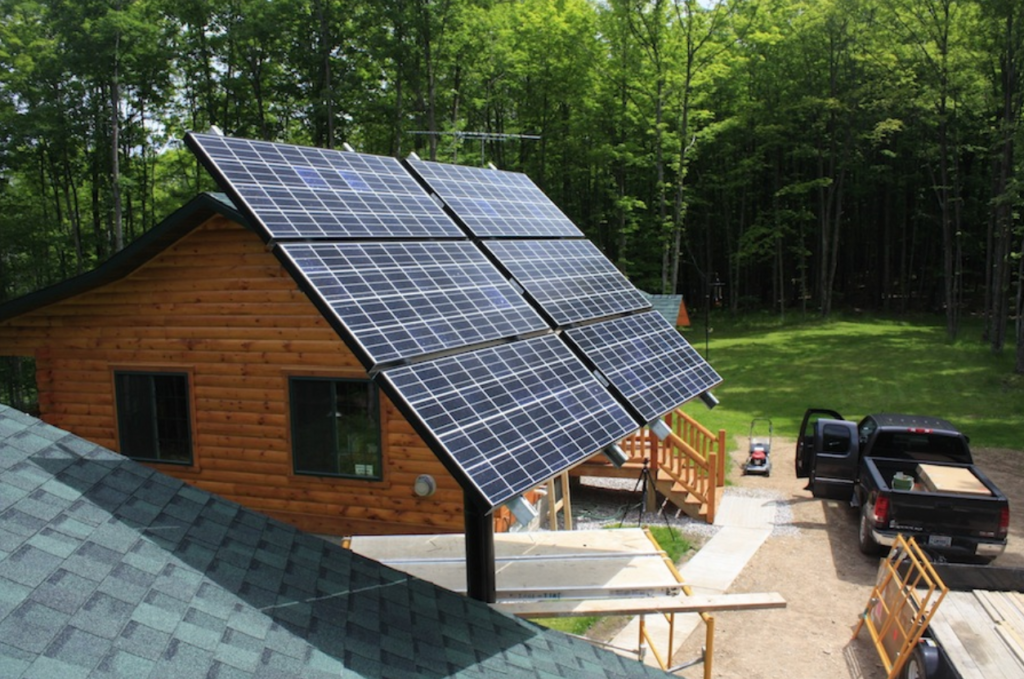
Battery Energy Storage Systems play a critical role in peak shaving by acting as a buffer between energy generation and consumption. During periods of low demand, BESS can store excess energy produced by renewable sources, such as solar or wind. When demand peaks, the stored energy can be released back into the grid or used on-site, thus alleviating the pressure on the electricity network.
Moreover, BESS allows businesses to avoid costly demand charges imposed by utilities. These charges are often calculated based on the highest level of electricity usage during peak periods. By deploying a BESS, companies can reduce their peak demand levels, ultimately decreasing their overall energy costs and improving their bottom line.
Facilitating Load Shifting with BESS
Load shifting becomes significantly easier with the integration of Battery Energy Storage Systems. With the capability to store energy during off-peak hours when rates are lower, businesses can effectively manage their energy consumption patterns. For instance, industrial facilities can operate high-energy machinery during late-night hours when energy costs are at their lowest, utilizing stored energy during peak daytime hours.
Additionally, BESS can work in conjunction with smart energy management systems, allowing for real-time monitoring and automation of energy usage. This capability ensures that energy is utilized most efficiently, providing users with comprehensive control over their energy consumption behaviors.
FAQ
What is peak shaving with a battery energy storage system?
Peak shaving uses battery storage to reduce electricity consumption during high-demand periods by supplying stored energy instead of relying fully on the grid.
How does BESS reduce demand charges?
BESS lowers peak demand by providing additional power during periods when electricity usage reaches its highest levels, reducing the maximum demand recorded by utilities.
What is the difference between peak shaving and load shifting?
Peak shaving focuses on reducing maximum power demand, while load shifting moves energy consumption from expensive peak periods to lower-cost off-peak times.
Is BESS suitable for industrial energy management?
Yes. Industrial facilities can use BESS to reduce electricity costs, improve grid reliability, and optimize renewable energy utilization.
Conclusion
In conclusion, battery energy storage systems BESS are transforming how businesses approach peak shaving and load shifting. By enabling efficient energy storage during low-demand periods, BESS facilitates reduced operational costs and enhances grid stability. As energy demands continue to rise and sustainability becomes increasingly critical, investing in BESS technologies will empower businesses to optimize energy management strategies, improve their economic performance, and contribute to a greener energy future. Adopting BESS is a strategic move that can yield significant benefits across various sectors, making it an essential component of modern energy solutions.
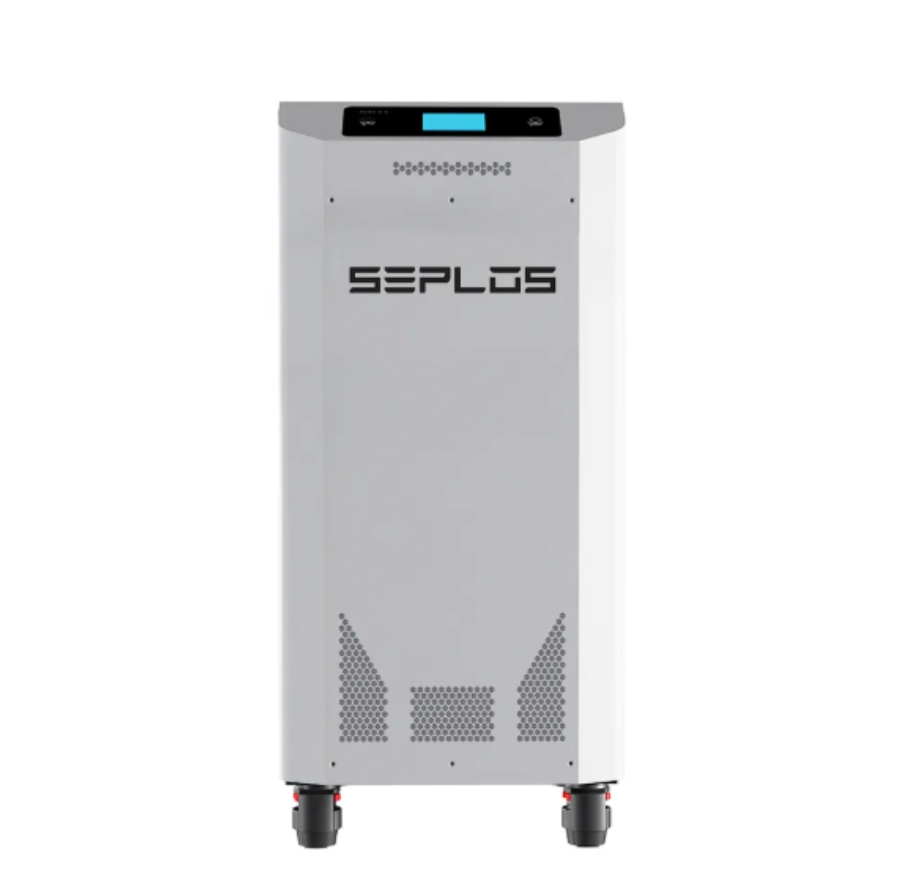
SEPLOS provides reliable battery energy storage solutions designed for commercial and industrial applications. Contact our team to explore how BESS can help optimize your energy strategy.