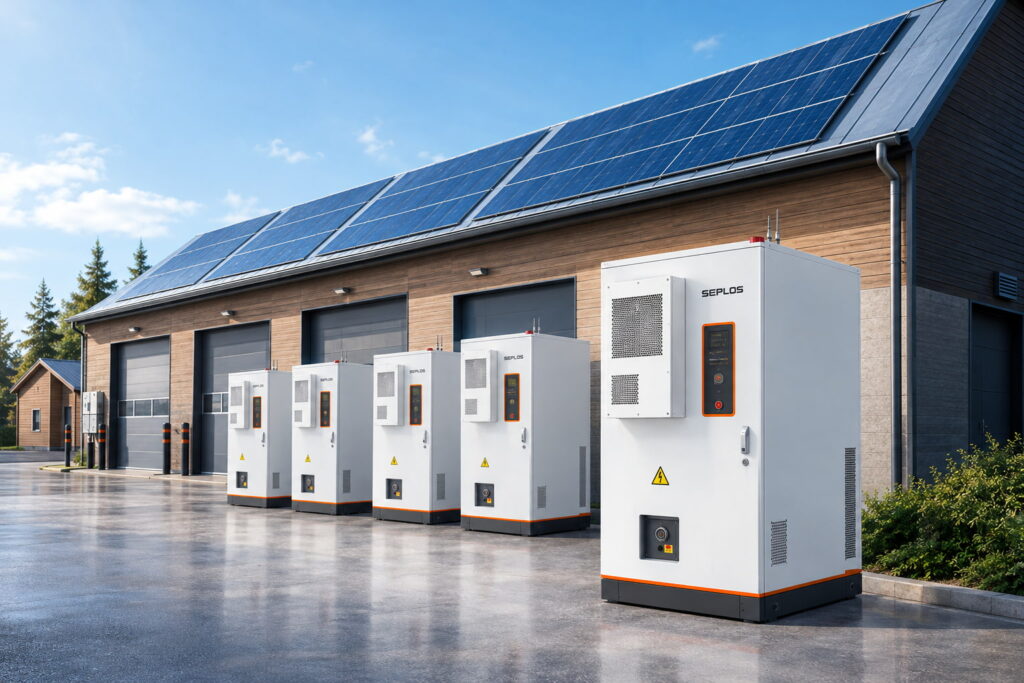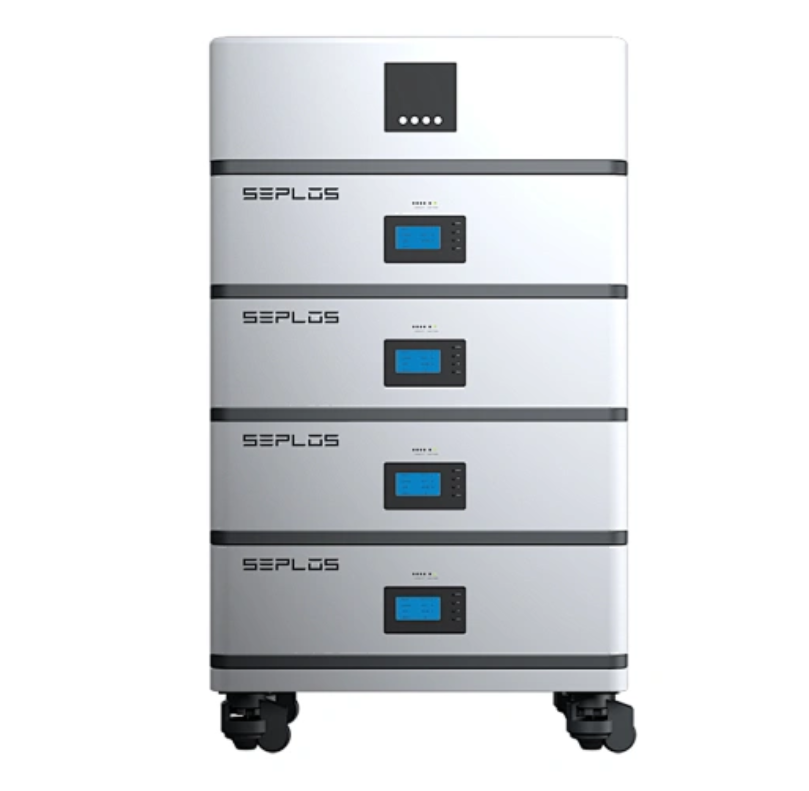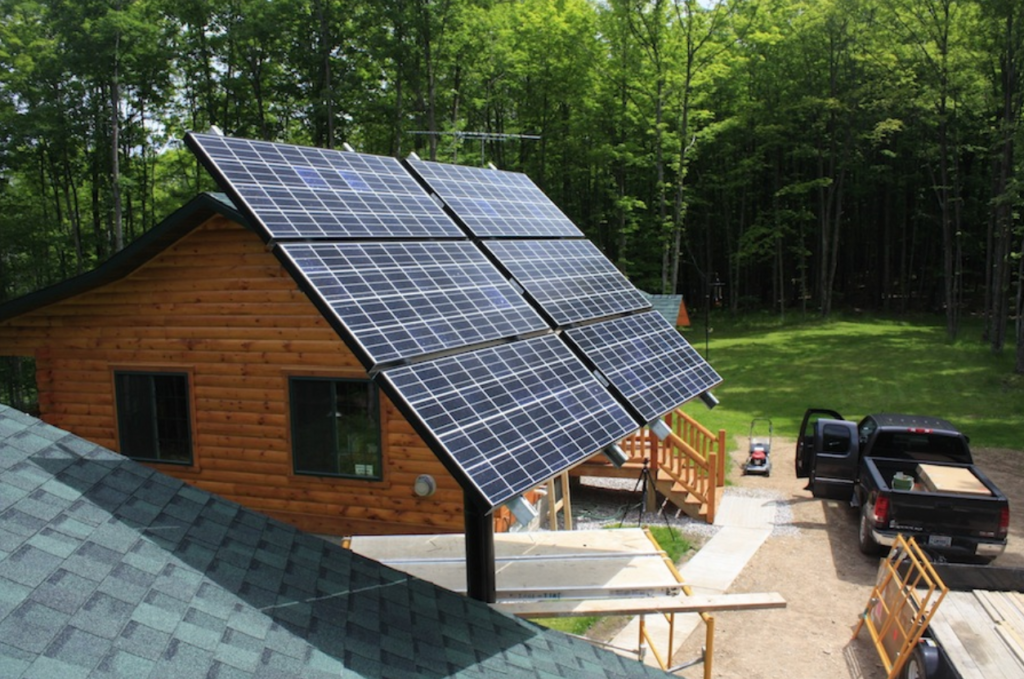
At Seplos, we specialize in innovative home energy storage systems designed to empower homeowners. Our solutions are built on advanced battery technology, ensuring safety, reliability, and efficiency. With a focus on sustainability, we help you maximize the use of clean energy while minimizing reliance on traditional power sources.
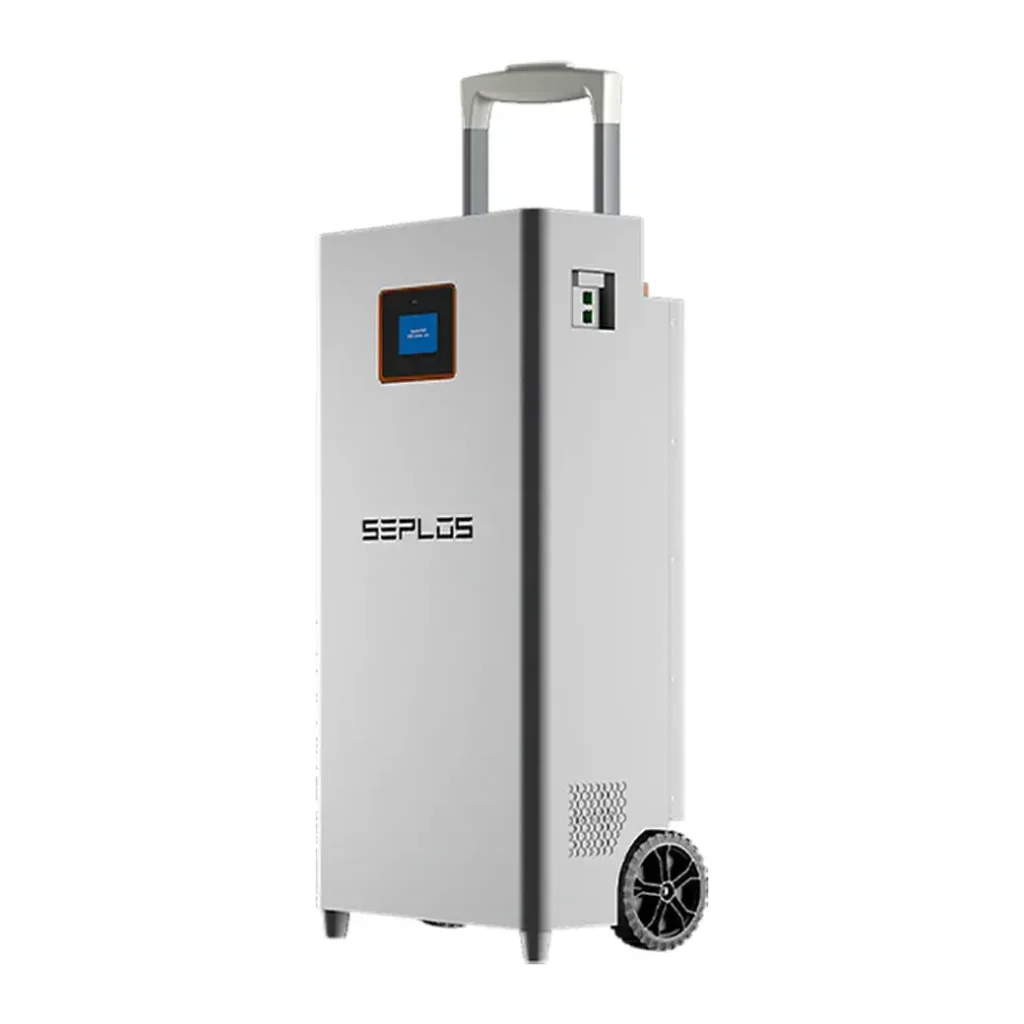
Safe & Reliable Power Storage
Choosing a home energy storage battery from Seplos means investing in a safe and reliable power solution. Our residential energy storage systems are compliant with international standards, including CE, RoHS, IEC62133, and IEC62619. This adherence ensures that our systems meet strict safety and environmental performance criteria. Utilizing Lithium Iron Phosphate (LiFePO4) battery technology, our systems are fire-proof and provide stable power usage. This reliability is crucial during power outages or extreme weather events, giving homeowners peace of mind and control over their energy consumption.
For homes with rooftop solar, a properly configured battery storage system can also preserve essential backup power during extended grid outages or planned utility shutoffs.
Save Money with Energy Independence
One of the most compelling reasons to invest in a home energy storage battery is the potential for significant savings. With our advanced household battery storage system, you can utilize solar energy around the clock, drastically reducing your electricity bills. Homeowners have reported savings of over 60% on their energy costs by storing excess electricity generated from solar sources. This not only optimizes your energy usage but also allows you to maintain a battery reserve for emergencies or outages. At Seplos, we are committed to helping you invest in your energy future while keeping costs low.
Over 8 Years of Battery Expertise
With over eight years of experience in the battery energy storage industry, Seplos has the expertise necessary to transform how you manage and use electricity in your home. We understand the nuances of energy supply and work diligently to provide effective solutions that ensure a constant and affordable power source. Our home energy storage systems are designed to support your energy needs, especially during critical moments. Rely on Seplos to deliver dependable electricity, even in the event of a blackout.
Conclusion
In conclusion, Seplos offers top-of-the-line home energy storage systems that combine safety, cost savings, and expert knowledge. As more homeowners seek energy independence and sustainability, our home energy storage batteries stand out as a reliable choice. Investing in a Seplos energy storage solution not only enhances your home’s energy efficiency but also contributes to a greener future. Choose Seplos for your home energy storage needs and experience the benefits of a smarter, more sustainable energy solution.
FAQs About Household Battery Storage Systems
Yes. A compatible battery system can store excess electricity generated by rooftop solar panels and make it available later in the evening, during periods of low solar production, or for backup use when properly configured.
It can, provided the system includes backup functionality and is configured to safely isolate from the utility grid. The amount of backup power available depends on battery capacity, inverter output, household loads, and the circuits selected for backup.
Capacity should be based on actual daily electricity consumption and the appliances that need backup power. A household protecting only essential loads may require much less storage than one expecting whole-home backup.
In many cases, yes. Compatibility depends on the existing inverter, battery voltage, communication protocol, AC- or DC-coupled architecture, and the electrical configuration of the solar installation.
Keeping a backup reserve can be useful in areas with frequent outages or planned utility shutoffs. The appropriate reserve level depends on outage risk, expected duration, solar availability, and essential household loads.
Compare usable capacity, continuous and peak output, battery chemistry, cycle life, BMS protection, inverter compatibility, installation requirements, expansion capability, warranty terms, and technical support rather than looking at capacity alone.