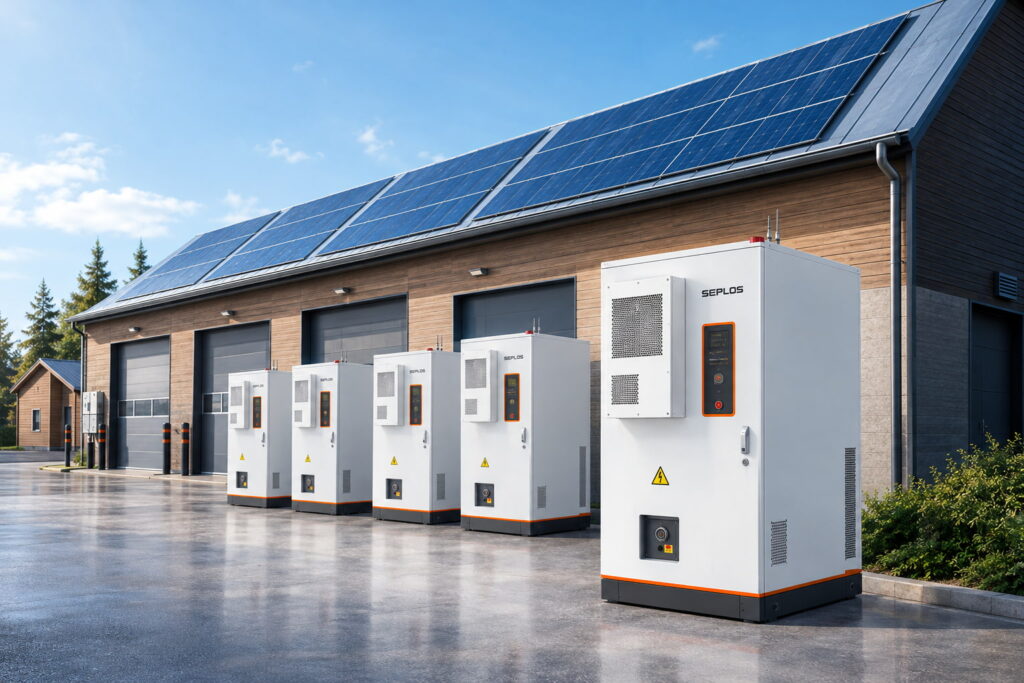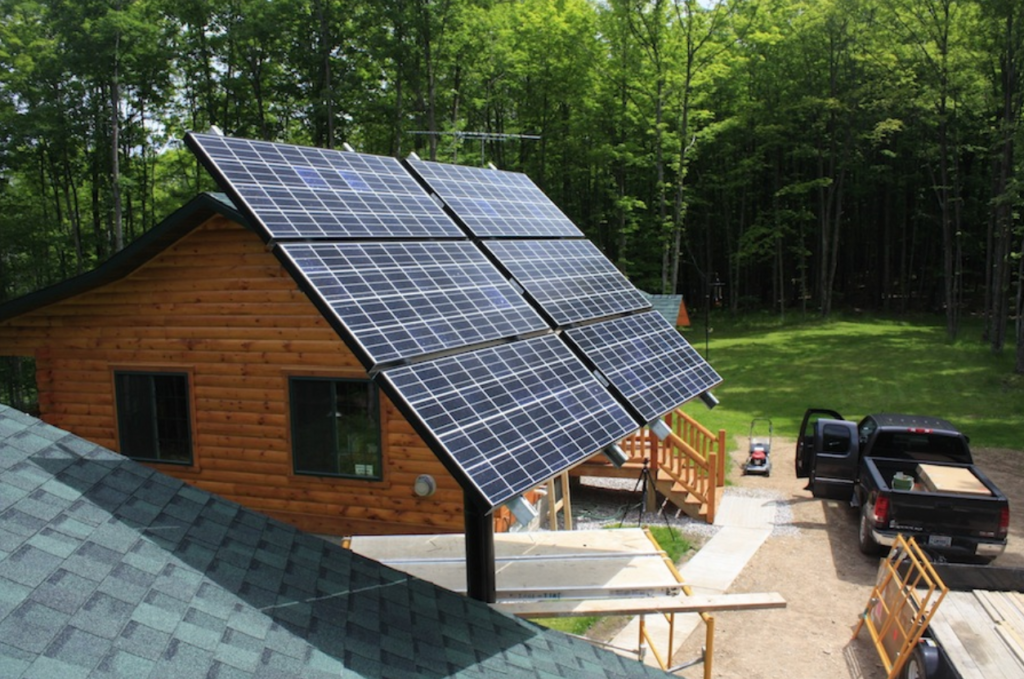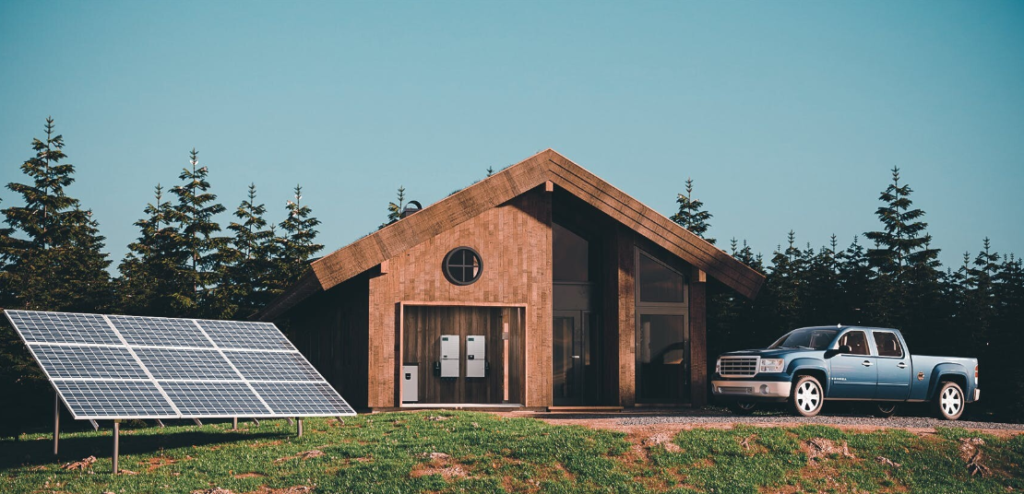
As we increasingly shift toward renewable energy sources, the importance of home energy storage systems cannot be overstated. These systems not only enhance energy independence but also provide a range of benefits that go beyond simple electricity management. By considering a battery for home energy storage, homeowners can better navigate the complexities of modern energy consumption.
Enhancing Energy Independence
One of the primary advantages of installing energy storage systems for homes is the enhanced energy independence they provide. By utilizing a battery for home energy storage, we can store excess energy generated from solar panels or other renewable sources. This stored energy can be used during peak hours when electricity rates are higher or during power outages, allowing us to reduce reliance on the grid.
The main advantages of a home energy storage system include greater control over household electricity use, reduced exposure to peak utility rates, and access to stored power during grid disruptions.
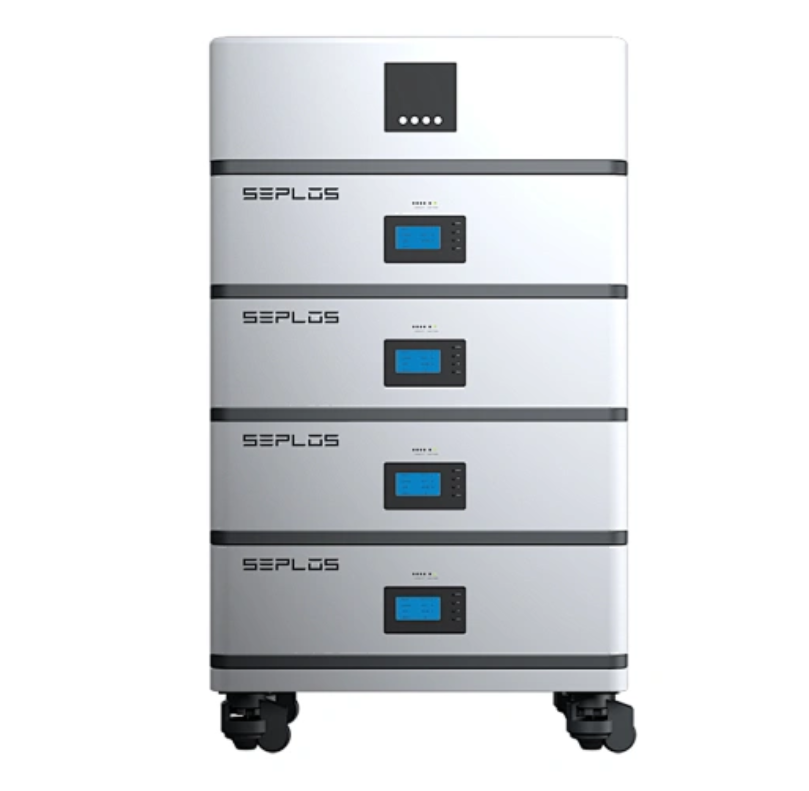
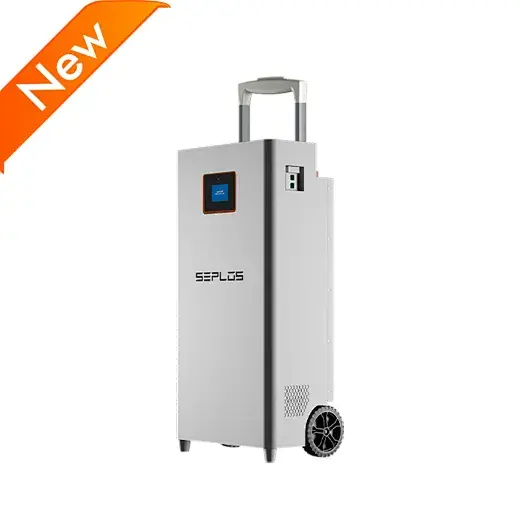
For many homeowners, the ability to generate and utilize their own electricity leads to significant savings on utility bills. By investing in a high-capacity home battery storage system like the Mason-280L-O LiFePo4 lithium battery, we can effectively manage our energy usage and take control of our electricity costs. The integration of advanced features such as air-cooling fans and honeycomb ventilation ensures that the battery operates efficiently, maximizing its performance and longevity.
Supporting Sustainable Practices
Using energy storage systems for homes not only provides economic benefits but also contributes to more sustainable energy practices. By storing renewable energy when it is abundant, we can reduce our carbon footprint and leverage cleaner energy alternatives. This aligns with global efforts to combat climate change and promotes a more environmentally friendly approach to energy consumption.
The benefits of installing residential energy storage systems also include higher solar self-consumption, less wasted renewable electricity, and more flexible household energy management.
Besides significantly lowering greenhouse gas emissions, installing a battery for home energy storage allows us to utilize clean energy during nighttime or cloudy days when renewable sources may be less effective. Thus, we can enjoy reliable power without depending heavily on fossil fuels, further enhancing our commitment to sustainability.
Improving Resilience and Emergency Preparedness
In an era of increasing weather-related disruptions and power outages, energy storage systems for homes bring additional peace of mind. By having a reliable battery for home energy storage, we can ensure that essential appliances remain operational during emergencies. This resilience is particularly crucial for families that rely on medical equipment or require consistent power for security systems.
The Mason-280L-O LiFePo4 lithium battery offers homeowners a dependable solution to manage their energy needs while providing the added benefit of safety and durability. Manufactured with robust technology, this high-capacity power unit is designed for effortless mobility and optimal thermal control, ensuring that we can rely on it even in challenging conditions.
In conclusion, the installation of a home energy storage system presents numerous benefits, including enhanced energy independence, support for sustainable practices, and improved resilience against power interruptions. By investing in a reliable battery for home energy storage, homeowners can take control of their energy usage while contributing to a more sustainable future. For those considering such a solution, Seplos stands out as a trusted manufacturer offering innovative energy storage systems for homes, paving the way toward a greener and more independent energy landscape.
FAQs About Installing a Home Energy Storage System
The main benefits include greater energy independence, lower electricity costs, improved solar self-consumption, backup power during outages, and more control over household energy use.
Yes. It can store lower-cost grid electricity or excess solar power and release it when electricity prices or household demand are higher.
It can provide backup power when paired with a compatible inverter and properly configured backup circuits. The operating time depends on usable battery capacity and connected loads.
Yes. Residential energy storage systems can store excess solar electricity generated during the day and make it available at night, on cloudy days, or during an outage.
Check the required usable capacity, household backup loads, inverter compatibility, battery management system, installation location, safety certifications, communication protocols, and expansion options.