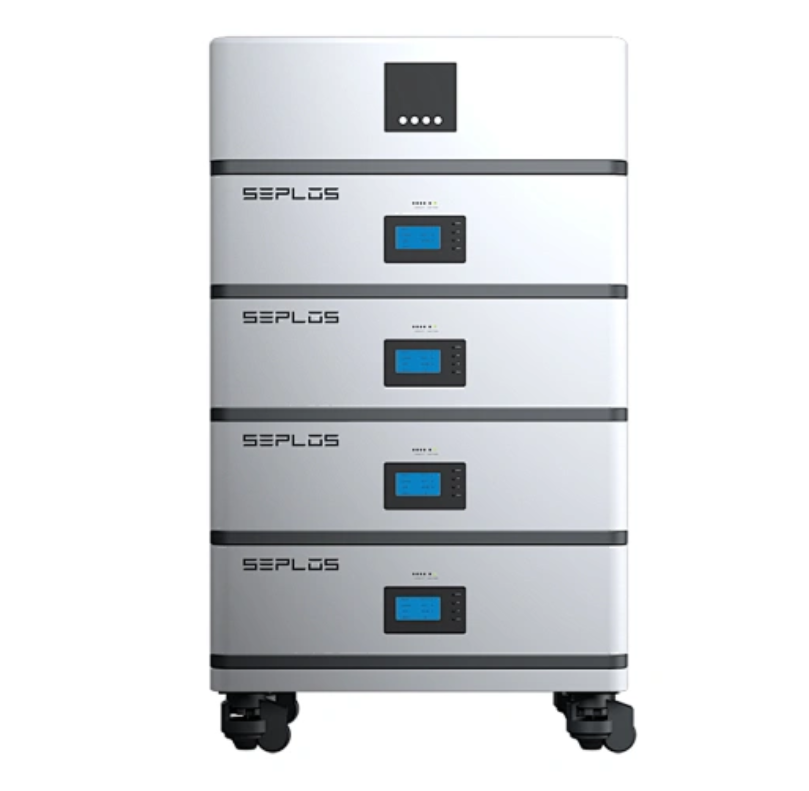
The growing demand for commercial energy storage batteries has made them a central component of modern energy systems. However, their safety is a top priority, given the potential risks they pose if not properly managed. From fire hazards to electrical faults, several mechanisms are in place to ensure that these batteries operate safely and efficiently.
Key Safety Layers in Commercial Energy Storage Batteries
| Safety Layer | Main Function | Why It Matters |
|---|---|---|
| BMS protection | Monitors voltage, temperature, current, SOC and fault status | Helps prevent overcharge, over-discharge and overheating |
| Thermal management | Controls battery operating temperature | Reduces thermal stress and supports battery lifespan |
| Fire detection | Detects smoke, gas, flame or abnormal heat | Supports early warning and faster response |
| Fire suppression | Helps control fire risk when abnormal events occur | Reduces escalation risk depending on system design |
| Enclosure protection | Separates and protects battery components | Helps limit external damage, dust, moisture and physical impact |
| Venting design | Releases pressure or gas when required | Supports safer pressure management in abnormal conditions |
| Remote monitoring | Tracks alarms and system performance | Helps operators respond faster to potential issues |
BMS and Engineering Controls for Energy Storage Safety
The safety of commercial energy storage batteries begins with thoughtful engineering and system design. Advanced design practices are crucial in reducing the risks of fire and explosion. A key component in ensuring safe operations is the Battery Management System (BMS). The BMS constantly monitors critical parameters such as voltage, temperature, and the state of charge, ensuring the battery operates within safe limits. This system prevents issues like overcharging, over-discharging, or overheating, all of which could lead to catastrophic failure. Additionally, thermal management systems, such as air and liquid cooling solutions, are integral to maintaining safe operating temperatures. By managing heat, these systems prevent battery degradation, extend the lifespan of the battery, and ensure the overall safety of the commercial energy storage batteries.
Fire Detection and Suppression in Battery Storage Safety
Fire safety is a top concern in energy storage systems, especially in commercial energy storage batteries. Integrated fire detection systems, including smoke, gas, and flame detectors, play a crucial role in early identification of potential fire hazards. Once a fire or heat source is detected, automatic suppression systems come into play. These systems use water-based or inert gas mechanisms to prevent fires from escalating into more dangerous situations. Early intervention ensures the safety of the equipment and personnel, reducing the risk of widespread damage and protecting surrounding infrastructure. This proactive approach is essential in high-demand environments, where the risk of fire and explosion is a constant concern.
Containment and Venting Design for Commercial Battery Safety
In the event of a fire or explosion, physical containment is essential to minimize damage to both the battery system and the surrounding area. Commercial energy storage batteries are equipped with enclosures and barriers that contain any potential fire or explosion within a specific area, preventing it from spreading. Furthermore, forced venting systems are designed to release excess gas pressure in the event of thermal runaway or other catastrophic failures. Explosion venting systems, such as deflagration vents, are triggered automatically when pressure exceeds a predetermined threshold, ensuring that the battery system can safely vent without causing damage. Redundant and fail-safe mechanisms, such as backup systems, ensure uninterrupted operation even if primary components fail, providing an extra layer of protection.
Why Monitoring and Maintenance Matter for Energy Storage Safety
Energy storage safety does not depend only on hardware design. Regular inspection, alarm review, temperature monitoring, firmware management, connection checks and maintenance planning also affect long-term system reliability. For commercial and industrial battery storage projects, remote monitoring can help operators identify abnormal battery behavior earlier and reduce the risk of delayed response.
FAQ
A1: Energy storage safety includes BMS monitoring, thermal management, electrical protection, fire detection, suppression design, enclosure protection, venting and maintenance planning.
A2: The BMS monitors voltage, temperature, current, SOC and fault status, helping reduce risks related to overcharging, over-discharging, overheating and abnormal battery behavior.
A3: Battery storage systems may use fire detection, alarm systems, suppression equipment, thermal management, enclosure protection and venting design depending on project requirements.
A4: No battery system is completely risk-free. Safety depends on proper design, installation, operation, monitoring, maintenance and compliance with applicable project requirements.
A5: Buyers should review battery chemistry, BMS protection, thermal control, enclosure design, fire safety design, remote monitoring, supplier support and maintenance requirements.
Conclusion
Energy storage safety in commercial battery systems depends on coordinated protection across BMS monitoring, thermal management, fire detection, suppression design, containment, venting and ongoing maintenance. Through a combination of engineering controls, fire suppression systems, and physical containment measures, businesses can trust that their energy storage solutions are safe, sustainable, and capable of withstanding demanding operational environments.
Need Safer Commercial Energy Storage Solutions?
Commercial battery safety depends on more than battery capacity. BMS protection, thermal management, enclosure design, fire detection, remote monitoring and maintenance planning all affect long-term system reliability.
Seplos can help installers, distributors and project buyers evaluate commercial energy storage battery solutions with safety, monitoring and system protection in mind.