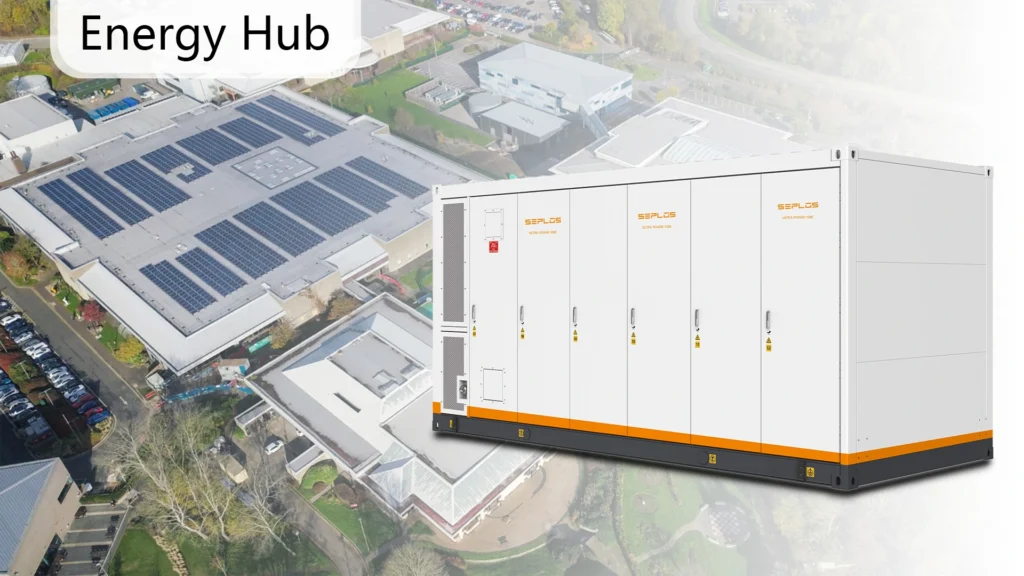
A commercial energy storage systems has become an essential part of modern industrial facilities, commercial buildings, industrial parks, and remote communities. By combining battery storage, intelligent energy management, and renewable energy integration, these systems help reduce electricity costs, improve power reliability, support peak shaving, and provide uninterrupted backup power. This guide explains how commercial energy storage systems work, their key features, and real-world applications.
Quick Answer
What is a commercial energy storage systems?
A commercial energy storage system (C&I ESS) stores electricity from the grid or renewable sources and releases it when needed to reduce electricity costs, improve power reliability, provide backup power, and support peak shaving, demand response, and microgrid operation for commercial and industrial facilities.
Why C&I Energy Storage Matters
Pain Points in Factories & Industrial Parks
- Soaring energy bills: Peak demand charges and high consumption drive up operating costs.
- Unstable power quality: Voltage dips and frequency fluctuations can damage sensitive equipment and halt production.
- Weak backup power: Diesel generators are noisy, polluting, slow to start, and unreliable for frequent grid disturbances.
Challenges in Remote Areas & Tourist Destinations
- Fragile grids: Remote locations often face long outages due to storms, snow, or other natural events.
- Poor supply quality: Unstable voltage and frequency disrupt medical, purification, and essential equipment.
- Unsustainable backup: Transporting diesel is costly, while noise and emissions conflict with eco-tourism values.
At the heart of these challenges lies uncontrollable, expensive electricity supply. The solution? A smart C&I energy storage system that integrates advanced technology, resilience, and cost savings.
Core Features Every C&I ESS Should Have
To truly deliver value, a modern C&I battery storage system must provide:
- Seamless on/off-grid switching (millisecond-level) to keep critical loads online.
- Islanded microgrid operation, balancing generation, storage, and load independently.
- Smart EMS energy management, optimizing PV, wind, batteries, and loads.
- Black start & priority load protection, ensuring critical services stay powered.
- Grid interaction capabilities, connecting with Virtual Power Plants (VPPs) for services like frequency regulation and demand response.
Case Studies: How an Industrial Park Energy Storage System Delivers Value
Case 1: German Industrial Park — Turning Electricity into Revenue
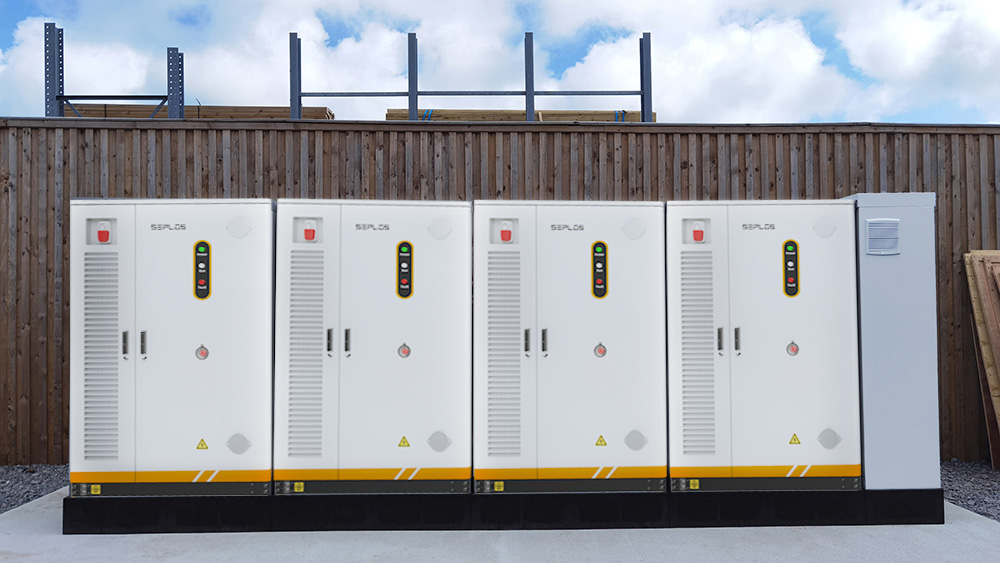
- Scenario: A large industrial park in North Rhine-Westphalia.
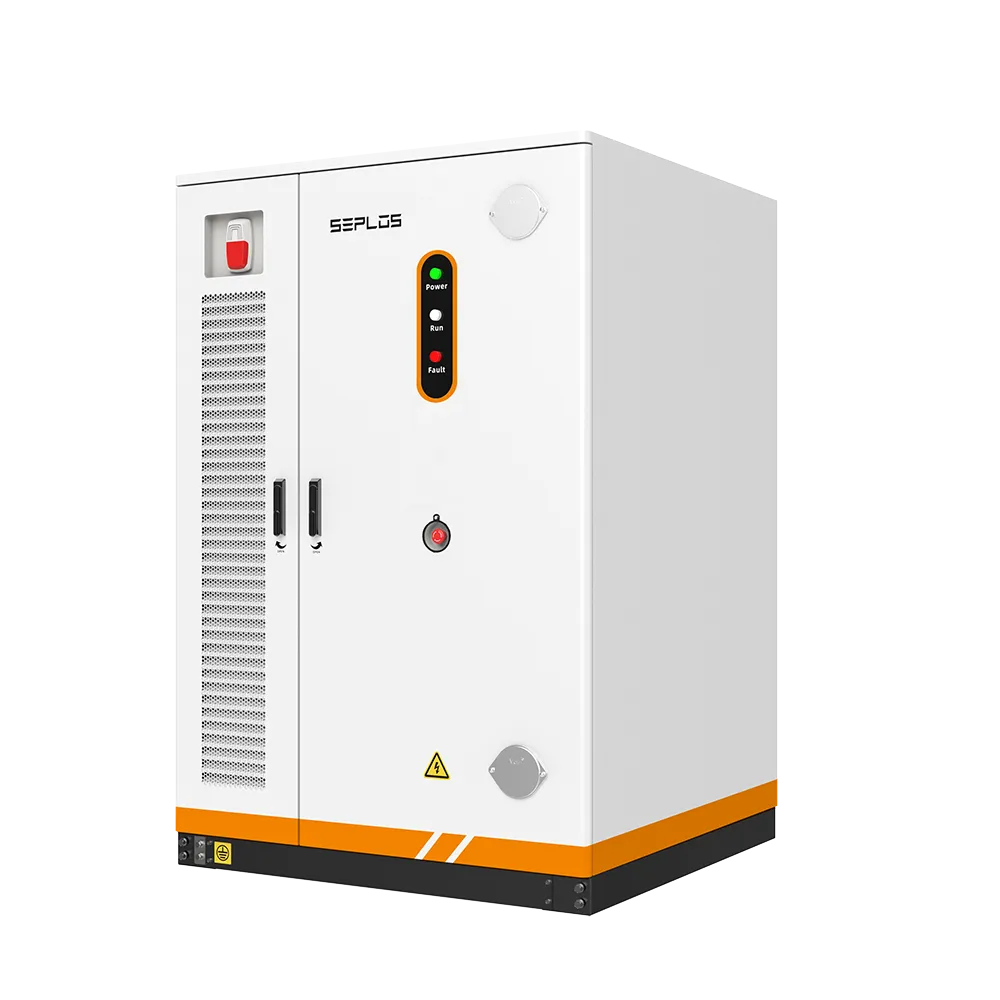
- Solution: Installed a 500kW / 1044kWh liquid-cooled energy storage system (with 4 UltraPower 261 to expand) near a 10kV grid point.
Highlights:
- 0.5C rate design for high-value frequency regulation services (FRR) in the European market.
- Liquid cooling technology ensures <2.5°C cell temperature difference, extending life under heavy cycling.
- Smart EMS connects with VPP platforms, executing price arbitrage and demand response in real time.
Benefits:
- New revenue streams from frequency regulation.
- Lower energy bills through peak shaving and valley filling.
- Increased reliability as backup power for the park.
Case 2: Mountain Tourist Camp Energy Storage System — Building a Reliable Microgrid
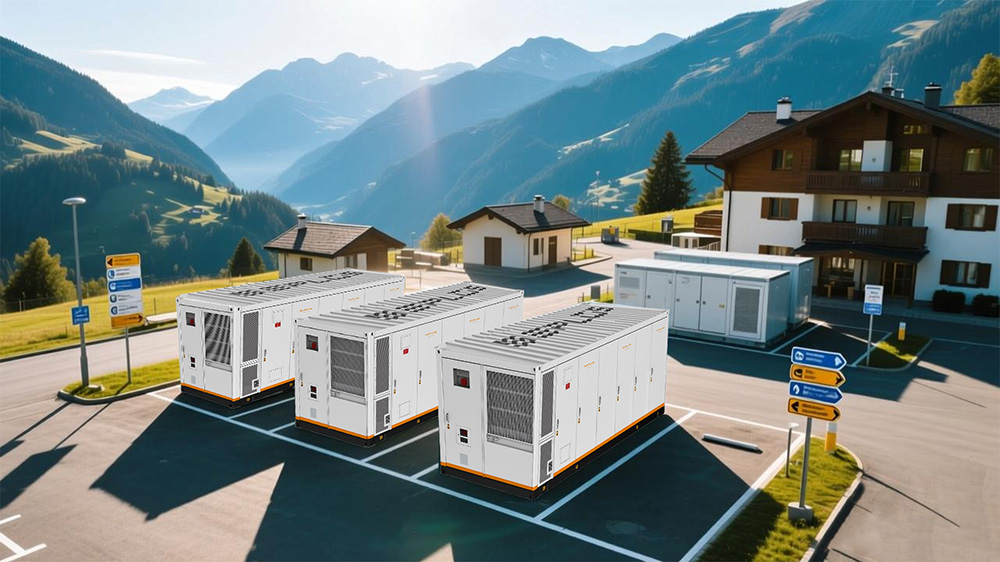
- Scenario: A tourist camp with guest rooms, a medical station, and water purification, total load ~200kW.
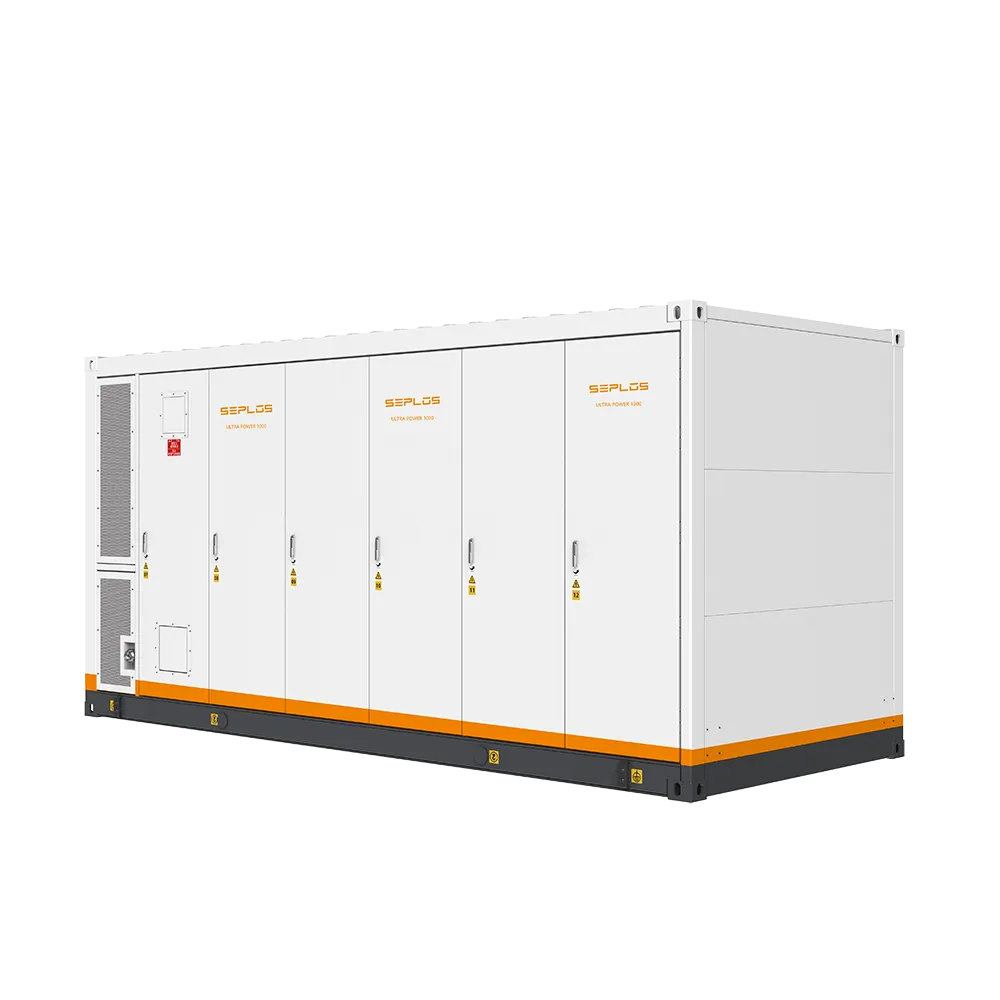
- Solution: Deployed 3 Ultra Power 1000 liquid-cooled ESS units (3.6MWh total), providing 24-hour backup for 150kW critical loads.
Highlights:
- Fewer units required → 50% lower installation and management costs.
- Liquid cooling enables both efficient cooling and cold-weather heating, ideal for mountain climates.
- 20ms switching time ensures uninterrupted power; collaborates with PV to create a self-sustaining microgrid.
Benefits:
- Ensures safety by powering medical and water systems in all weather.
- Cuts reliance on diesel generators, saving fuel and maintenance costs.
- Clean, silent operation fits perfectly with eco-tourism branding.
From “Optional” to “Essential”
Whether in industrial zones facing high electricity costs or remote areas battling unstable grids, C&I energy storage systems have become more than just a nice-to-have—they are critical infrastructure.
They act as:
- An economic guardian → cutting costs, generating new revenue streams.
- A power guardian → ensuring stability, safety, and reliability in production and daily life.
As technology matures and costs fall, commercial energy storage systems will continue to light the way toward a more resilient and profitable energy future.
FAQ
What is a commercial energy storage system used for?
Commercial energy storage systems help businesses reduce electricity costs, improve backup power, support renewable energy integration, and stabilize facility operations.
What industries benefit most from C&I ESS?
Manufacturing plants, logistics centers, shopping malls, hospitals, industrial parks, mining sites, and remote communities are among the most common users.
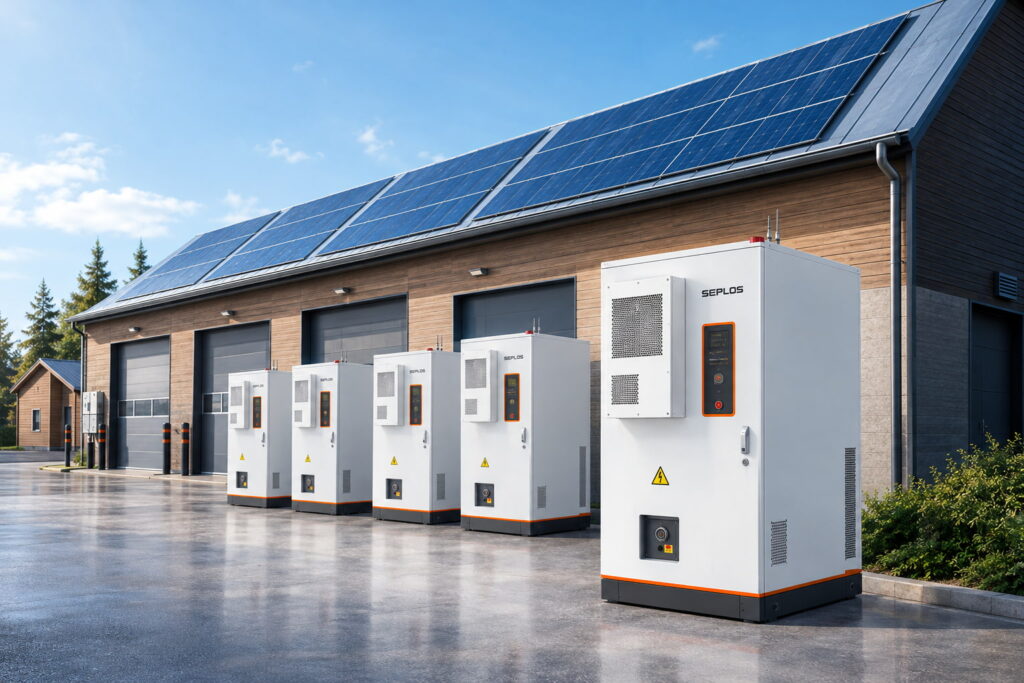
Can commercial battery storage work with solar power?
Yes. Commercial ESS can store excess solar energy during the day and discharge it during peak-demand periods or power outages to increase energy independence.
How do commercial energy storage systems reduce electricity bills?
They charge during off-peak hours or from solar generation and discharge during peak-price periods, reducing demand charges and improving energy efficiency.
Conclusion
Commercial energy storage systems have evolved from optional backup equipment into essential energy infrastructure for modern businesses. Whether the goal is reducing electricity costs, improving grid resilience, supporting renewable energy, or powering remote operations, the right C&I ESS delivers long-term operational and financial value.
Looking for a commercial energy storage solution tailored to your project? Contact Seplos to discuss battery sizing, system integration, and customized C&I ESS solutions for industrial, commercial, and remote applications.