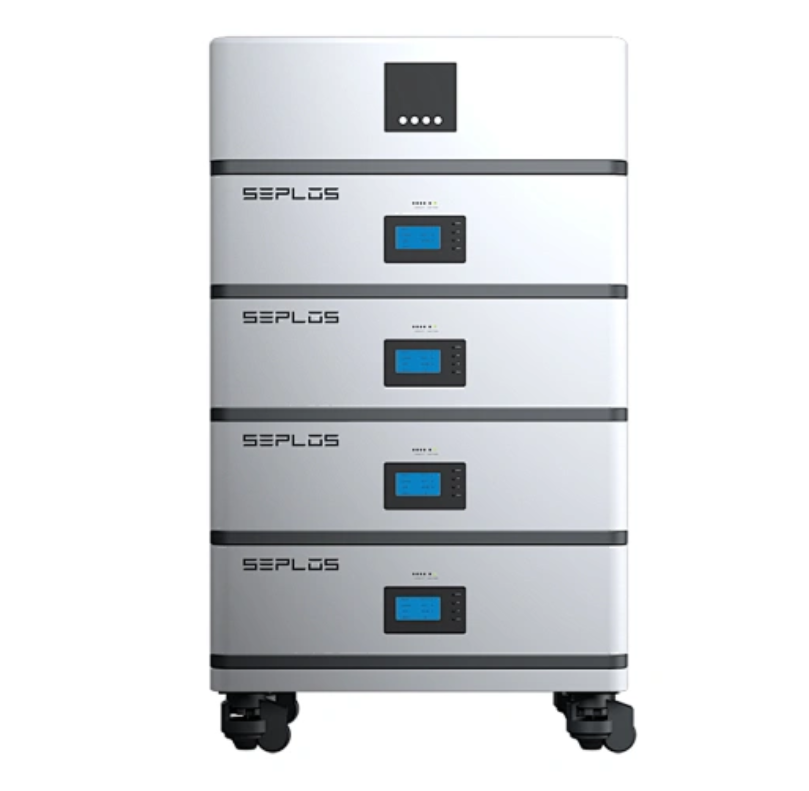
Selecting the right commercial battery storage system is a critical decision for businesses looking to enhance their energy management. With the growing demand for sustainable energy solutions, understanding the key factors in choosing commercial energy storage systems can help organizations optimize their operations and reduce costs.

Understanding Energy Needs
Before diving into the specifics of commercial energy storage systems, it’s essential to assess your organization’s energy needs. This involves analyzing current usage patterns, peak demand times, and future growth projections. A thorough understanding of these factors will guide you in selecting a system that not only meets your immediate requirements but also accommodates future expansions.
Different commercial energy storage systems have varying capacities, performance metrics, and technologies. By aligning the system’s capabilities with your energy profile, you can ensure that you are making a sound investment.
Evaluating Technology Options
Another critical aspect of selecting a commercial battery storage system is the technology employed. Various types of batteries, such as lithium-ion, lead-acid, and flow batteries, each have unique advantages and disadvantages. Lithium-ion batteries, for example, are widely recognized for their efficiency and longer lifespan, making them a popular choice for many commercial energy storage systems.
It is also important to consider the scalability of the chosen technology. As energy needs evolve, the ability to expand or adapt the system can significantly impact long-term viability. Therefore, investigating the technological features and flexibility of the commercial energy storage systems on the market is advisable.
Assessing Reliability and Support
Reliability is paramount when selecting a commercial battery storage system. Businesses depend on these systems to provide consistent power and backup during peak demand or outages. Researching the manufacturer’s reputation for reliability can provide insights into the quality of their products.
In addition, consider the level of customer support offered by the manufacturer. A company that provides comprehensive service options, including installation, maintenance, and troubleshooting, can greatly ease the transition to a new energy management system. Reliable customer support is essential for ensuring that any issues are promptly resolved, minimizing downtime.
Conclusion
Choosing the right commercial battery storage system involves careful consideration of energy needs, technology options, and the reliability of the manufacturer. By thoroughly evaluating these factors, businesses can make informed decisions that align with their operational goals and sustainability objectives.
For companies looking to meet their power needs and protect the environment, Seplos offers reliable commercial energy storage systems. Ranging from 15kWh to 215+kWh, Seplos has successfully delivered hundreds of projects, ensuring that energy is cheaper, cleaner, and faster for commercial and industrial businesses.
FAQs About Commercial Battery Storage Systems
A commercial battery storage system stores electricity for later use in businesses, offices, factories, warehouses, retail sites, and other commercial facilities. It may support peak-load management, backup power, renewable energy integration, and energy cost control.
The required capacity depends on the site’s electricity consumption, peak demand, backup duration, operating schedule, renewable generation, and future expansion plans. Buyers should compare usable capacity rather than nominal capacity alone.
Lithium-ion batteries, particularly LiFePO4 batteries, are widely used because of their efficiency, cycle life, and thermal stability. Lead-acid and flow batteries may suit certain applications, but the final choice depends on cost, space, maintenance, discharge duration, and project requirements.
Scalability allows a business to expand storage capacity as electricity demand, equipment loads, or renewable energy generation increases. Buyers should confirm whether additional battery modules or cabinets can be integrated later.
Businesses should review product specifications, system design experience, BMS and inverter compatibility, certifications, warranty terms, installation support, maintenance services, spare-parts availability, and after-sales response.
A commercial system may reduce costs through peak shaving, load shifting, increased solar self-consumption, and charging during lower-rate periods. Actual savings depend on local tariffs, demand charges, system efficiency, and operating strategy.