Living off-grid with solar panels is an increasingly popular choice for those seeking independence from traditional power sources. Many people searching for how to live off grid with solar panels want to understand whether solar energy can provide enough power for daily life without depending on the utility grid.
This lifestyle not only promotes sustainability but also fosters a deeper connection to nature. Seplos is here to discuss how one can effectively live off-grid using solar panels and the essential components involved in creating a self-sufficient energy system.

Understanding Off-Grid Living
Living off-grid essentially means powering your home without relying on the local power grid. This setup allows individuals to harness renewable energy, primarily through off-grid solar panels, and manage their energy consumption independently. This lifestyle appeals to many for various reasons, including environmental concerns, financial savings, and the desire for a simpler way of living.
For those considering solar panels for off grid living, proper system sizing and energy planning are essential to creating a reliable and comfortable off-grid lifestyle.
Key Components of an Off-Grid Solar System
To successfully live off-grid with solar panels, several critical components are necessary. These include:
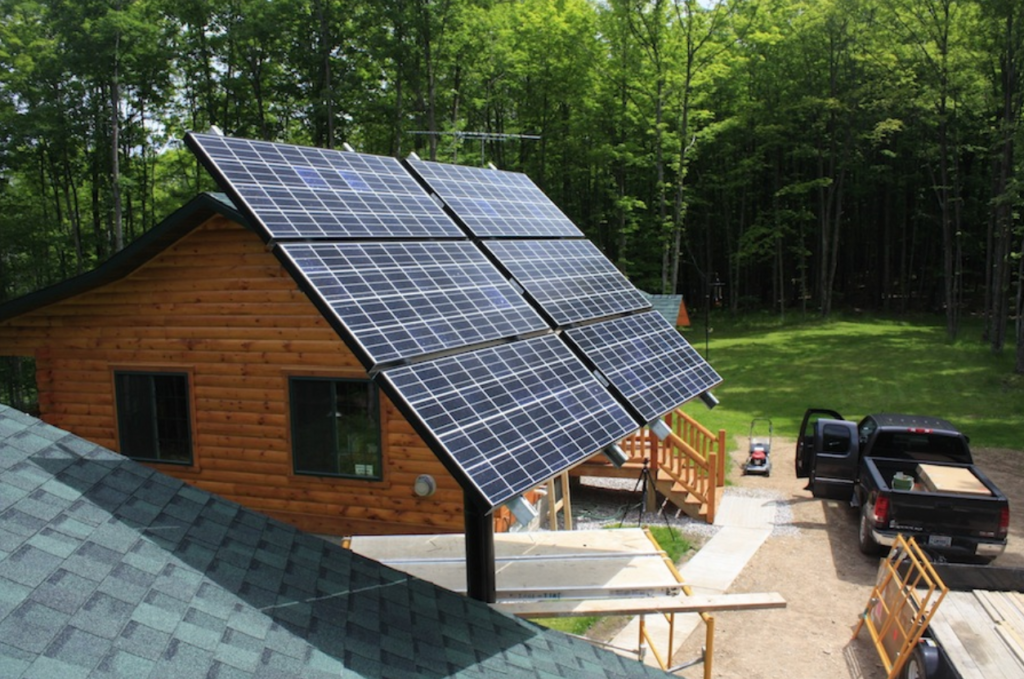
Off Grid Solar Panels: The foundation of any off-grid system, these panels capture sunlight and convert it into electricity. Selecting high-quality solar panels is essential for maximizing energy production and efficiency.
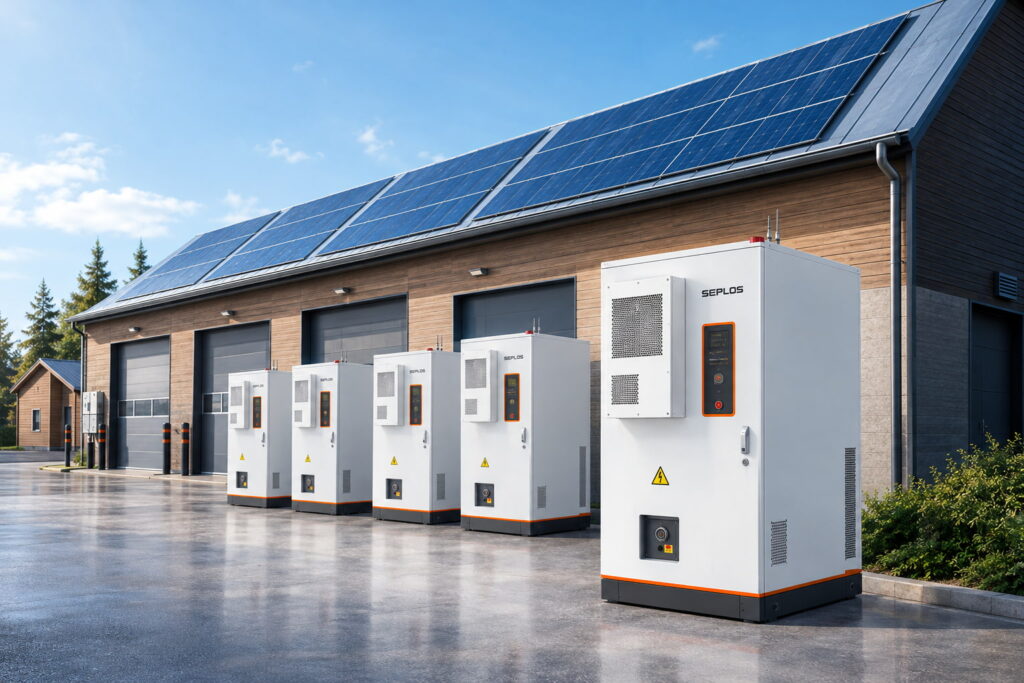
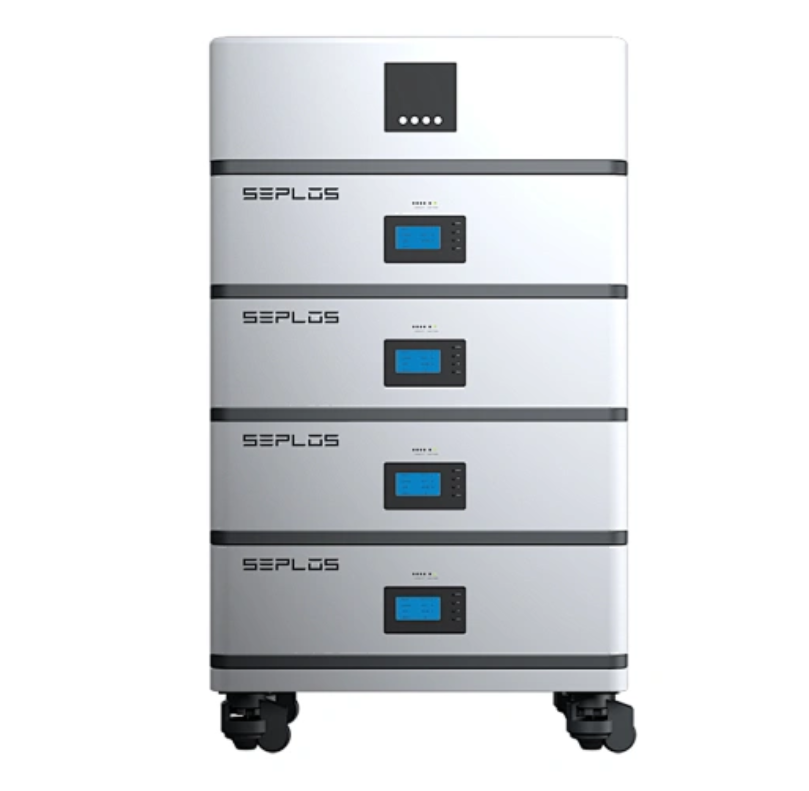
Batteries: Energy storage is vital for off-grid living. Batteries store the electricity generated by the solar panels, allowing homeowners to access power during the night or on cloudy days. Seplos offers advanced battery solutions designed specifically for off-grid applications, ensuring reliability and longevity.
Charge Controller: This device manages the flow of electricity from the solar panels to the batteries. It protects the batteries from overcharging, optimizing their lifespan and performance.
Inverter: An inverter is required to convert the stored direct current (DC) power from the batteries into alternating current (AC) power, which is used by most household appliances. Choosing a high-quality inverter is crucial for ensuring that the system can handle the energy demands of the home.
Wiring and Mounting Hardware: Proper wiring and mounting systems are essential for safely connecting all components. This includes safety features like fuses and circuit breakers to protect the system from electrical faults.
Living Off-Grid: The Experience
Living off-grid with solar panels offers numerous benefits, including energy independence, reduced utility bills, and a smaller carbon footprint. However, it also requires careful planning and consideration of energy consumption habits. Off-grid living encourages individuals to be more mindful of their energy use, leading to a more sustainable lifestyle.
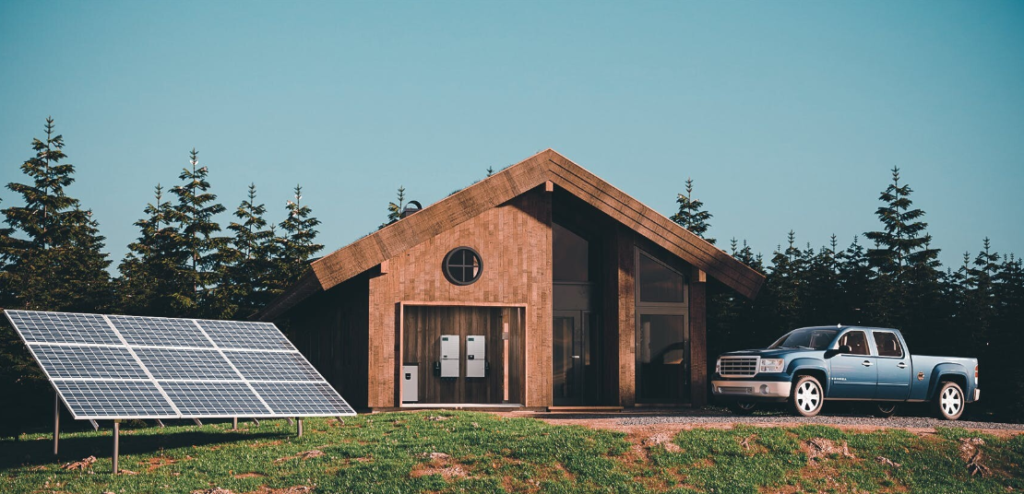
This approach allows many homeowners to experience the benefits of living off solar power by generating, storing, and managing their own renewable energy.
The experience can be incredibly rewarding. Homeowners gain the freedom to generate their own power, eliminating reliance on external energy sources. This independence fosters a sense of empowerment and connection to one’s environment, as individuals become more attuned to their energy needs and the natural resources around them.
Challenges to Consider
While living off-grid is appealing, it is essential to recognize the challenges that may arise. Weather conditions can affect energy production, making it crucial to have adequate battery storage to ensure a consistent power supply. Additionally, initial setup costs for solar panels and the necessary components can be significant, although long-term savings on energy bills often offset these expenses.
Conclusion
In summary, living off-grid with solar panels is not only possible but also presents a fulfilling and sustainable lifestyle choice. By incorporating essential components such as off-grid solar panels, batteries, a charge controller, and an inverter, individuals can create a reliable energy system tailored to their needs. Seplos is dedicated to providing high-quality solar solutions and battery energy storage systems, making it easier for those aspiring to live off-grid. Founded in 2017, Seplos has gained recognition as a leading manufacturer in the energy storage sector, known for its advanced technology and dependable service. Trust Seplos to support your journey towards energy independence and sustainability.
FAQs About Living Off-Grid With Solar Panels
Yes, it is possible to live off-grid with solar panels when the system is properly designed. A complete off-grid setup usually includes solar panels, battery storage, an inverter, charge controller, and suitable energy management.
The number of solar panels required depends on electricity consumption, location, sunlight availability, panel efficiency, and battery capacity. Homes with higher energy demand usually require larger solar arrays.
An off-grid solar system typically includes solar panels, batteries, a charge controller, an inverter, wiring, and mounting equipment. These components work together to generate, store, and distribute electricity.
Yes. With enough solar capacity and battery storage, solar panels can provide electricity for an entire home. The system size should be matched to household energy usage and local solar conditions.
The initial investment can be higher because of solar panels, batteries, and installation equipment. However, many homeowners reduce long-term energy costs by generating their own electricity and reducing dependence on utility providers.