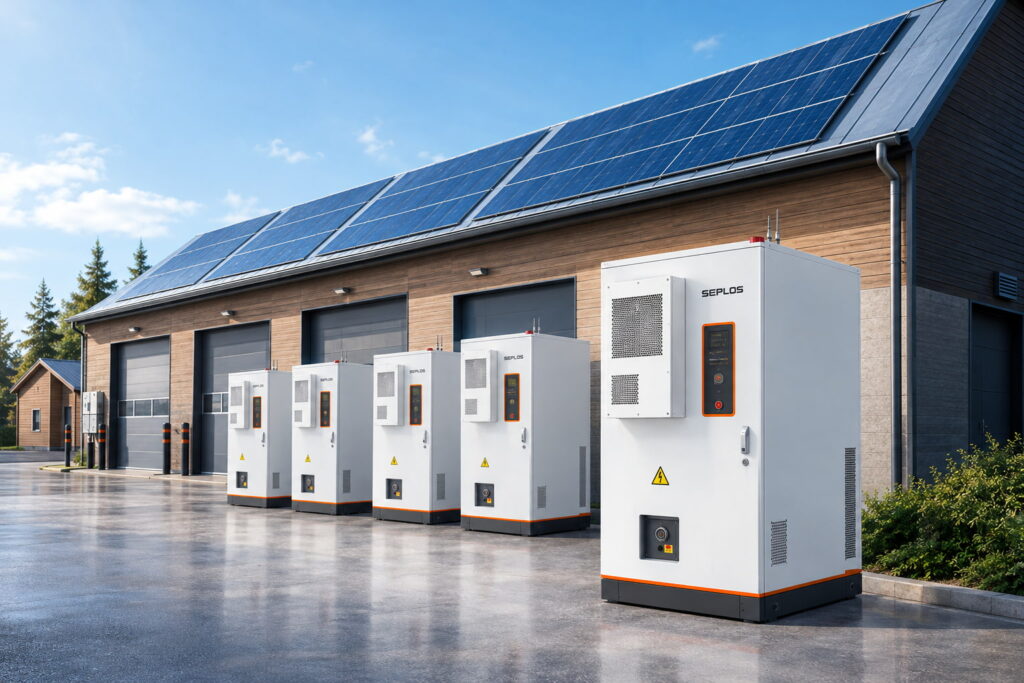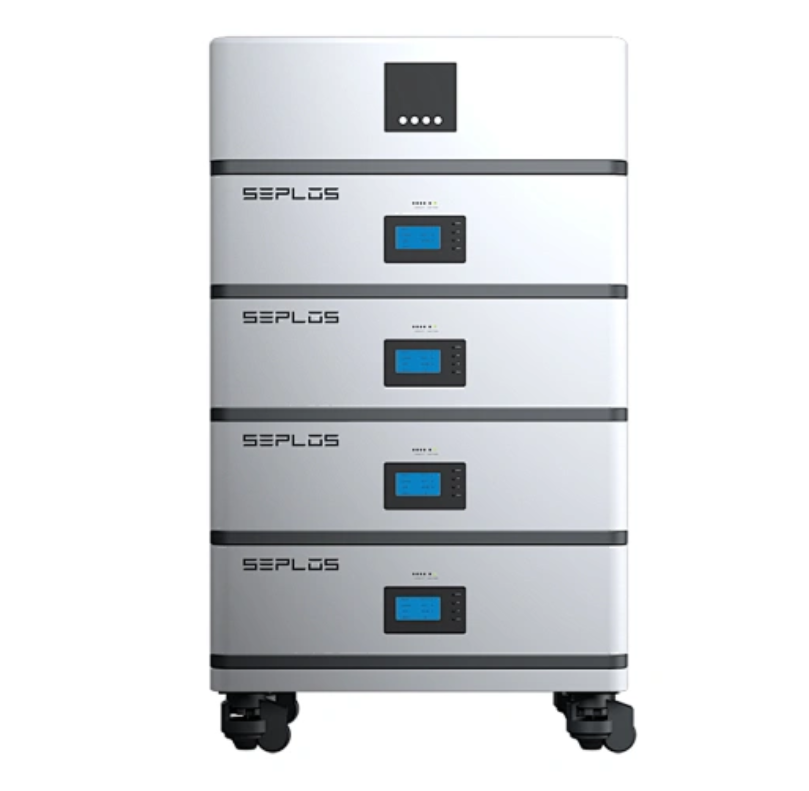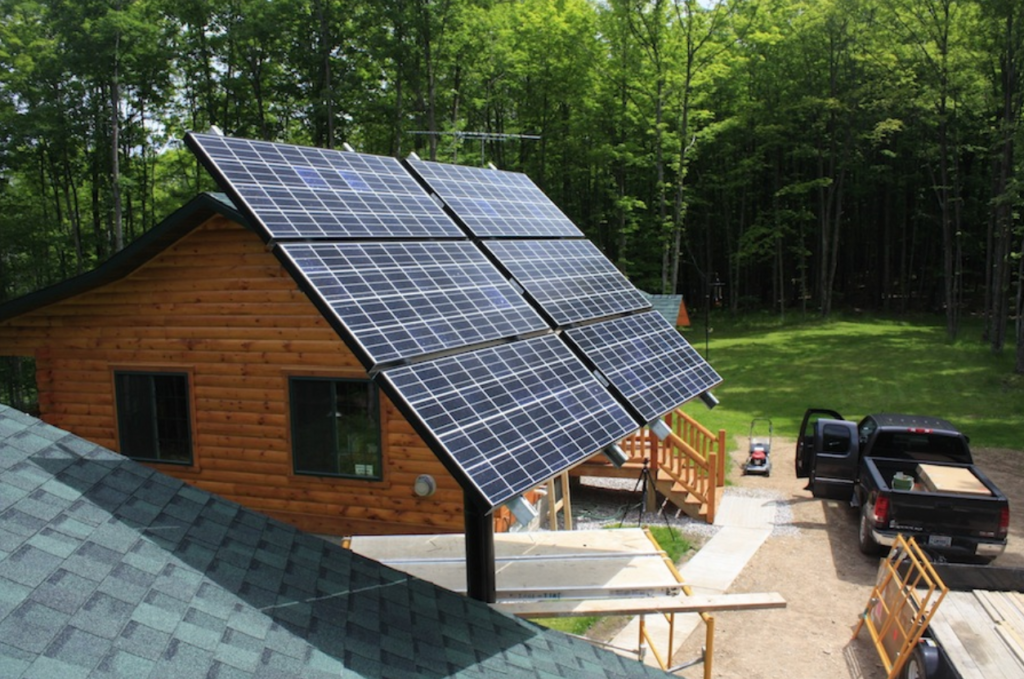
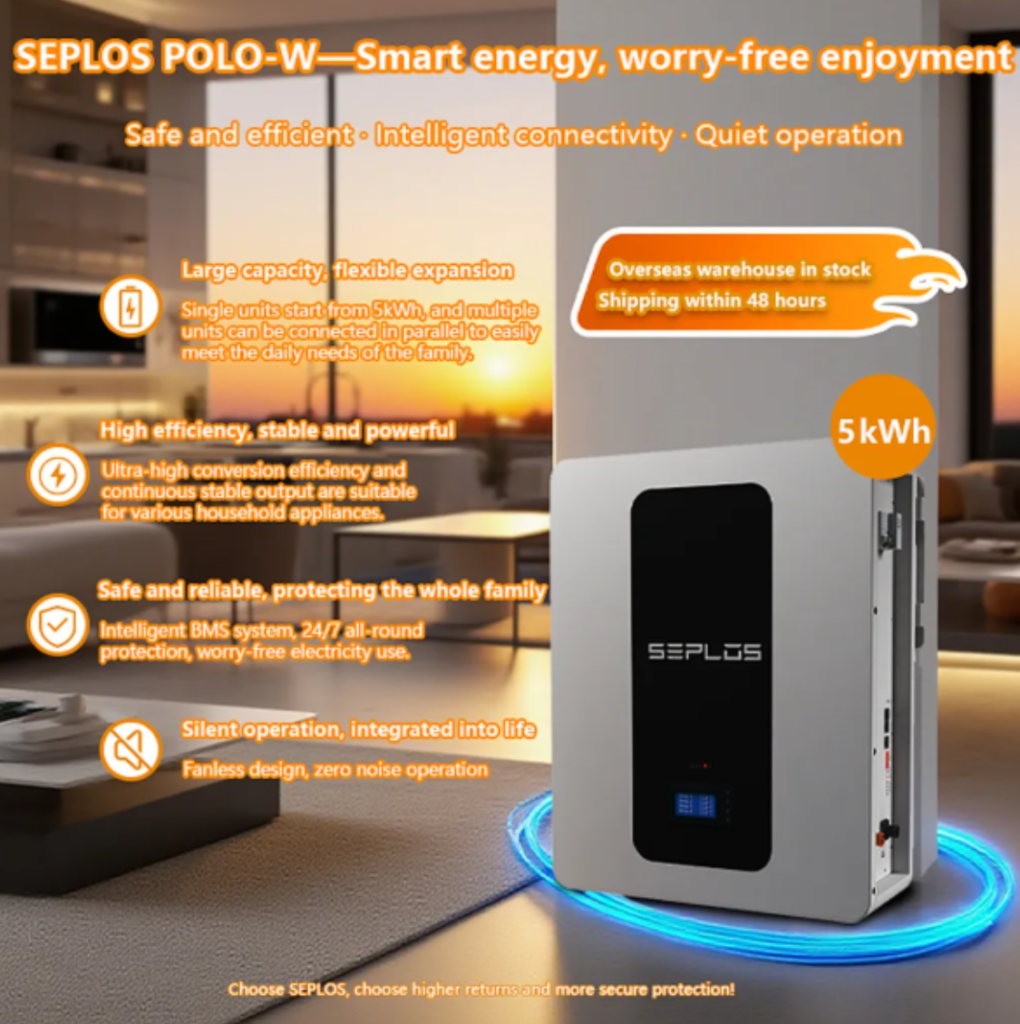
As businesses install more solar power systems, battery storage is becoming an important tool for improving how that energy is used. Solar battery storage allows excess electricity generated during sunny periods to be stored and used later, such as during peak-rate hours, low solar production, or selected grid outages.
The benefits of solar battery storage depend on the site’s load profile, electricity tariff, solar generation, backup requirements, and system design. For commercial and industrial users, a properly configured system may increase solar self-consumption, reduce peak grid demand, improve energy resilience, and provide greater control over when electricity is purchased or used.
What Are the Main Benefits of Solar Battery Storage?
The main benefits of solar battery storage are higher solar energy self-consumption, improved backup capability, reduced exposure to peak electricity prices, and greater control over energy use. Instead of exporting or wasting excess solar generation, businesses can store part of that energy and use it when electricity demand or grid prices are higher.
For commercial and industrial facilities, battery storage may also support peak shaving, load shifting, demand management, and selected critical loads during a grid outage. However, the actual financial and operational value depends on battery capacity, discharge power, tariff structure, load profile, solar production, system controls, and local grid requirements.
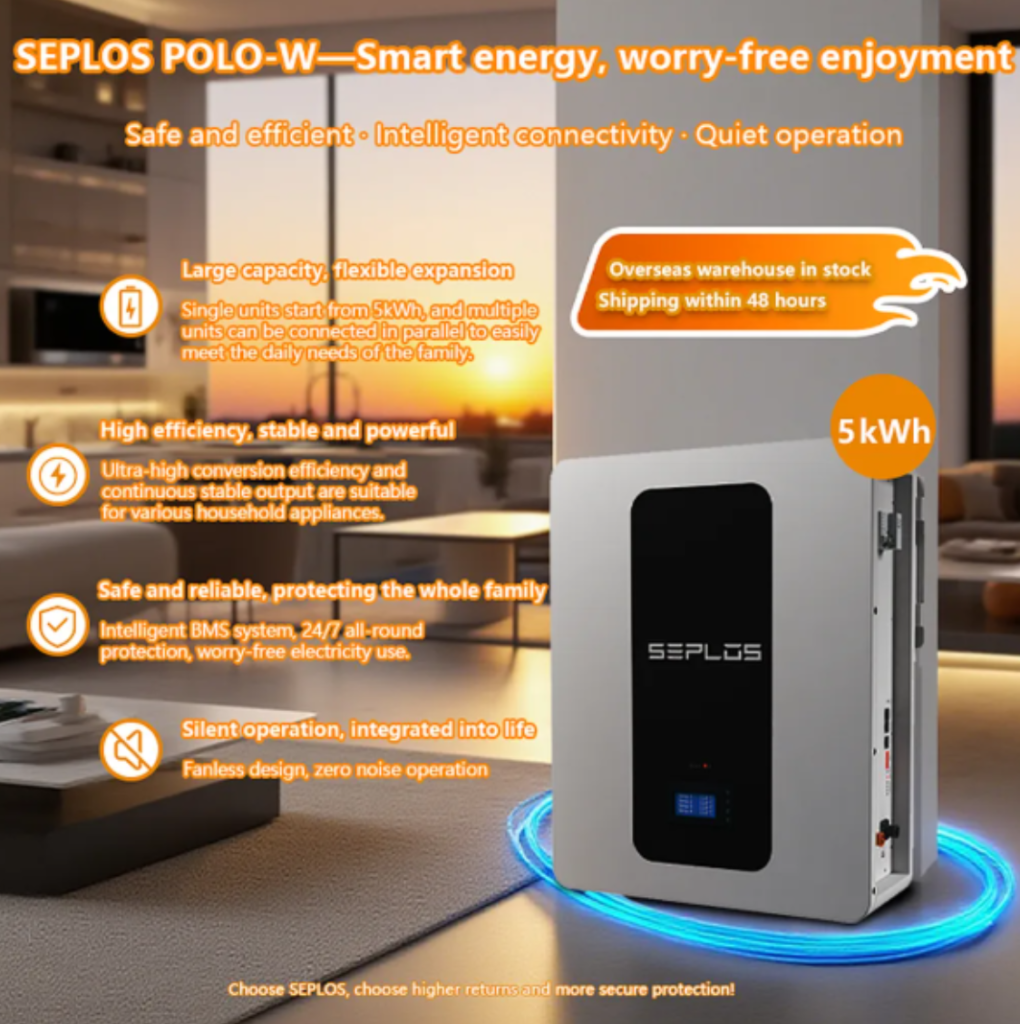
Enhanced Energy Resilience
One of the primary advantages of solar energy storage batteries is the enhanced energy resilience they provide. By storing surplus solar energy, businesses can ensure a continuous power supply, even during grid outages or periods of low solar generation. This capability is especially vital for operations that rely on uninterrupted power, such as data centers, hospitals, and manufacturing facilities.
Additionally, solar energy storage batteries allow businesses to manage their energy usage more effectively. During peak demand hours, when electricity prices are highest, stored energy can be utilized to offset grid consumption, resulting in significant cost savings. This flexibility not only reduces energy costs but also mitigates the risks associated with fluctuating energy prices and grid instability.
Cost Savings and Financial Incentives
Investing in solar energy storage batteries can lead to substantial cost savings for businesses. By utilizing stored energy during peak hours, companies can minimize their reliance on grid electricity, which often incurs higher rates. This demand management can result in lower monthly energy bills, helping organizations improve their bottom line.
Moreover, many governments offer financial incentives for businesses that invest in renewable energy solutions, including solar energy storage systems. These incentives may include tax credits, grants, and rebates, significantly lowering the initial investment costs. As technology continues to advance and prices decline, the return on investment for solar energy storage batteries becomes increasingly appealing, making them a strategic choice for businesses looking to enhance their sustainability efforts.
In addition to direct financial benefits, businesses that adopt solar energy storage solutions often experience improved public perception. As consumers increasingly prioritize sustainability, companies that demonstrate a commitment to renewable energy can enhance their brand reputation and attract environmentally conscious customers.
FAQs About the Benefits of Solar Battery Storage
What is the main benefit of solar battery storage?
The main benefit is that excess solar energy can be stored and used later instead of being immediately exported or left unused. This can increase solar self-consumption and give businesses more control over when they use electricity from the solar system, battery, or grid.
Can solar battery storage reduce business electricity costs?
It may reduce costs when the battery is used to avoid higher electricity rates, reduce demand peaks, or increase the use of on-site solar energy. Actual savings depend on the tariff structure, battery size, load profile, solar output, operating strategy, and local grid rules.
Can a solar battery keep a business running during a power outage?
A battery can support selected loads during an outage only when the system includes compatible backup equipment and controls. Backup time depends on battery capacity, available state of charge, discharge power, and the amount of connected load.
What is solar self-consumption?
Solar self-consumption is the percentage of solar electricity used directly at the site rather than exported to the grid. Battery storage can increase self-consumption by storing excess daytime solar energy for use later.
Is solar battery storage suitable for commercial and industrial facilities?
It can be suitable for facilities with meaningful solar generation, peak demand, time-based electricity pricing, critical backup loads, or energy management goals. A site assessment is required to determine whether the expected operational and financial benefits justify the system.
What should a business evaluate before installing solar battery storage?
Businesses should evaluate electricity consumption, peak demand, solar generation, tariff structure, backup requirements, available installation space, battery capacity, discharge power, inverter compatibility, communication needs, local regulations, and expected system life.
Conclusion
Solar battery storage can help businesses use more of their own solar energy, manage peak electricity demand, and improve energy resilience. Its actual value depends on the site’s energy profile, tariff structure, backup needs, and system configuration.
A successful project requires the battery, inverter, controls, and solar system to be evaluated as one integrated solution. Businesses should compare expected savings, operational benefits, system costs, and future expansion needs before making an investment decision.
For support with a commercial or customized solar energy storage project, share your solar capacity, load profile, electricity usage, backup requirements, and application details with the Seplos team.