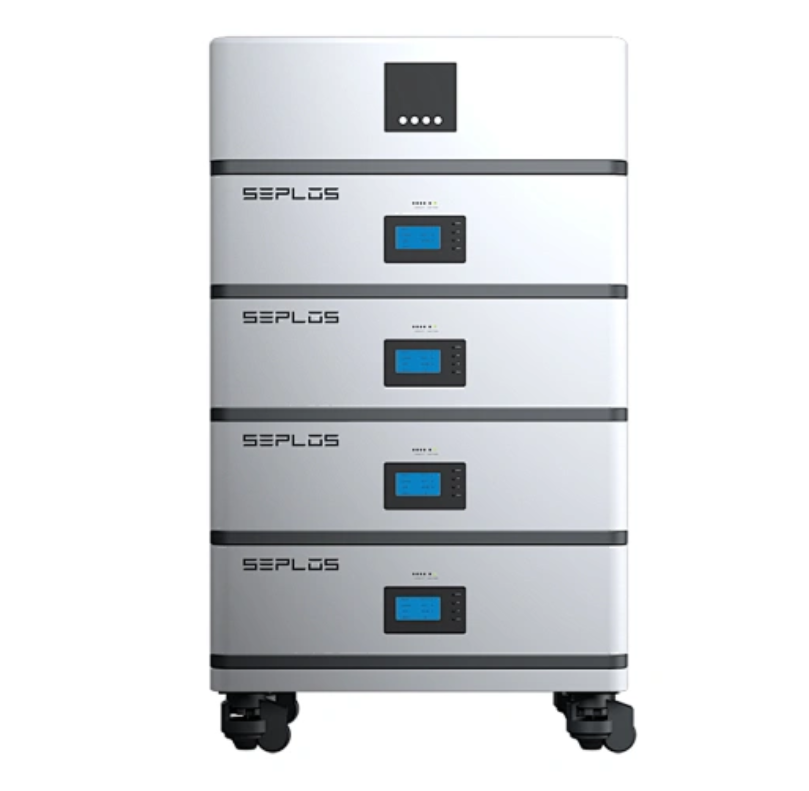
As a battery energy storage system company, we recognize the urgency of addressing sustainability in battery production. The rising demand for energy storage batteries presents a unique opportunity to innovate while prioritizing environmental responsibility. In this article, we will explore how leading manufacturers like Seplos are pioneering sustainable practices in the realm of energy storage.

Commitment to Quality Control and Sustainability
In the pursuit of sustainability, quality control remains paramount. Seplos operates a state-of-the-art, 9,800-square-meter facility dedicated to producing high-quality lithium batteries specifically designed for energy storage systems. Every step of our manufacturing process is guided by rigorous quality assurance protocols, ensuring that we maintain strict standards from materials sourcing to finished products. This approach not only bolsters product reliability but also minimizes waste—a crucial component of sustainability in battery production.
By committing to sustainable practices in our manufacturing process, we ensure that as an energy storage batteries company, we are actively reducing our ecological footprint. Our focus on using responsibly sourced materials allows us to produce efficient energy storage solutions without compromising on quality or reliability. Each battery we create serves as a testament to our dedication to both performance and sustainability.
Innovation in Recycling and Material Sourcing
As we navigate the landscape of energy storage, recycling and material sourcing have emerged as critical areas for improvement. Leading manufacturers, including ourselves at Seplos, are exploring innovative ways to recycle battery components, thus extending the lifecycle of our products. By investing in recycling technology, we aim to reclaim valuable materials that can be reused in new battery production, significantly reducing the demand for raw materials.
Furthermore, our commitment to sustainable practices extends beyond recycling. We prioritize responsible sourcing of materials used in our energy storage batteries, ensuring that our supply chain is ethical and environmentally friendly. By collaborating with suppliers who share our vision for sustainability, we position ourselves as leaders within the battery energy storage system industry.
Working with sustainable battery material suppliers also helps manufacturers improve supply chain transparency, reduce environmental risks, and maintain more consistent material quality.
After-Sale Services: Supporting Sustainable Practices
Beyond production, our responsibility as a battery energy storage system company includes providing exceptional after-sale services. We recognize that sustainability encompasses not only the manufacture of our products but also their full lifecycle. Our after-sales services are designed to assist customers with any issues they may encounter, fostering long-term relationships and promoting the optimal use of our energy storage solutions. This ongoing support not only enhances customer satisfaction but also encourages effective management of energy storage batteries throughout their lifespan.
In conclusion, as the demand for energy storage continues to grow, leading manufacturers like Seplos are committed to addressing sustainability in battery production. Through a combination of stringent quality control, innovative recycling practices, and dedicated after-sale services, we are redefining what it means to be an energy storage batteries company. For those seeking reliable and sustainable energy storage solutions, Seplos stands out as a trusted partner and manufacturer in the industry.
FAQs About Sustainable Battery Production
Sustainable battery production aims to reduce environmental impact through responsible material sourcing, efficient manufacturing, strict quality control, waste reduction, and improved recycling practices.
Responsible sourcing helps manufacturers improve supply chain transparency, maintain material quality, reduce environmental risks, and avoid materials obtained through unethical or poorly controlled processes.
Effective quality control reduces manufacturing defects, material waste, premature battery failure, and unnecessary product replacement, helping extend battery service life and improve resource efficiency.
Battery recycling can recover valuable materials for reuse, reduce demand for newly extracted raw materials, and minimize the volume of battery waste entering landfills.
Buyers should review the manufacturer’s quality management processes, material sourcing policies, recycling practices, production capabilities, product certifications, warranty terms, and after-sales support.