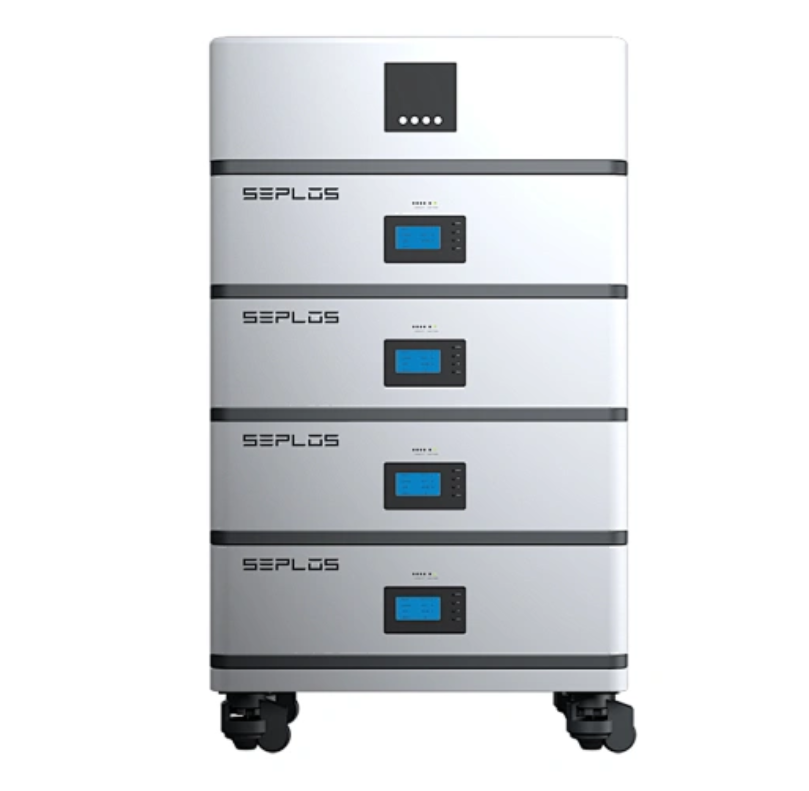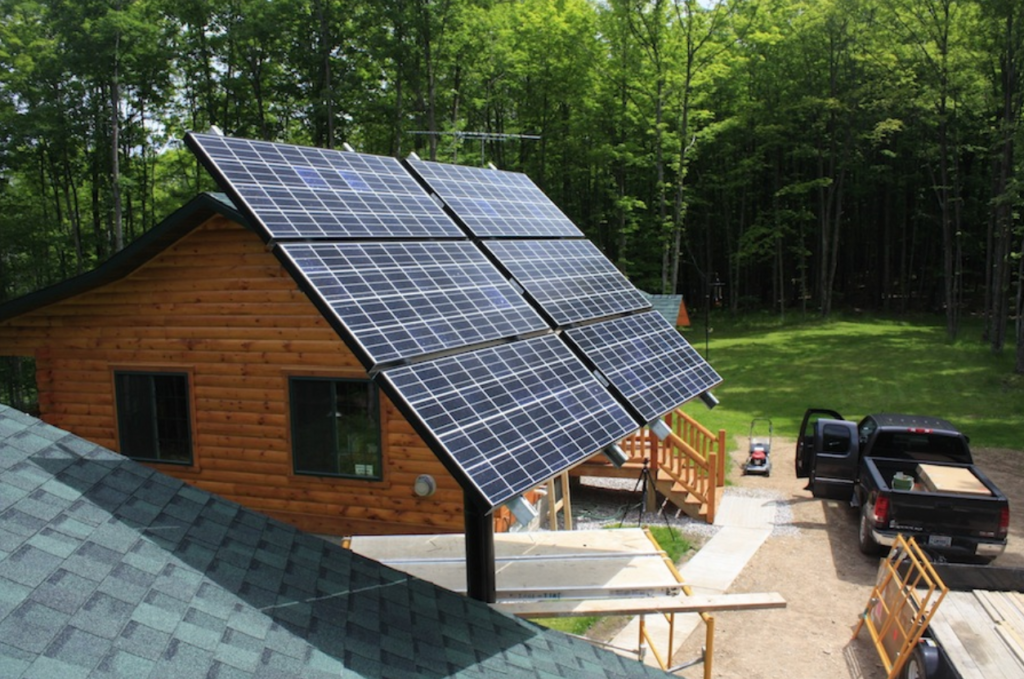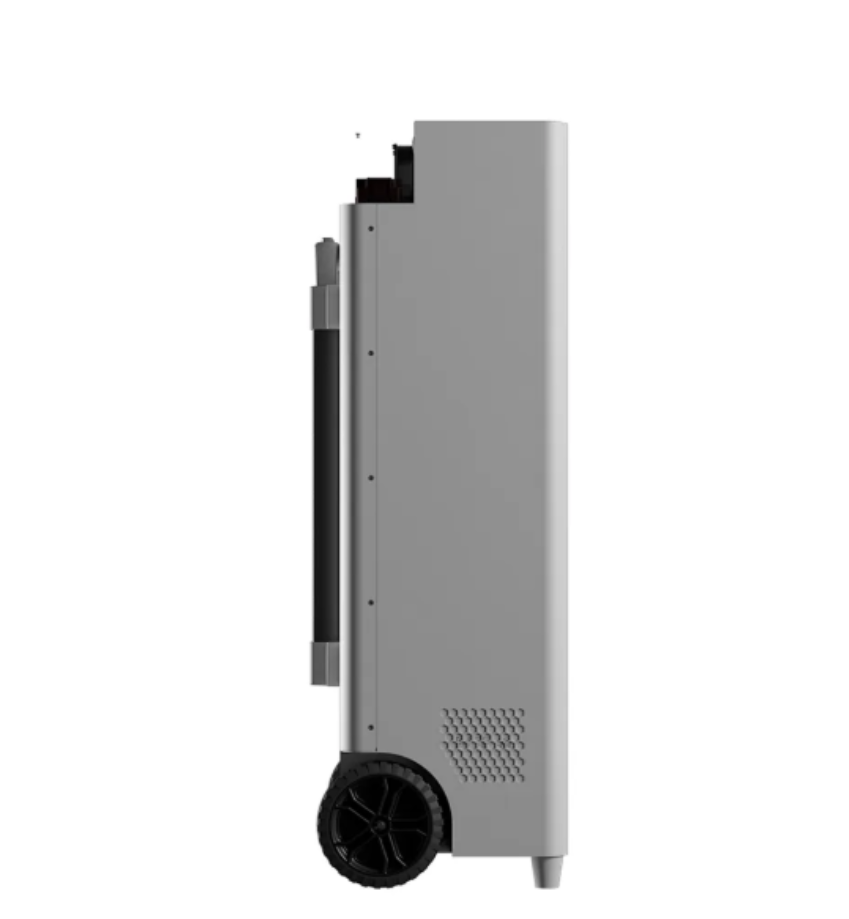
As businesses increasingly seek ways to improve energy efficiency and reduce operational costs, the deployment of battery energy storage systems BESS, particularly Battery Energy Storage Systems (BESS), has become essential. These systems not only help in storing excess energy generated from renewable sources but also provide backup power during outages and enhance grid stability. In this article, we will explore the key components of an ESS and how they work together to create an effective energy storage solution for businesses.
Quick Answer
An ESS energy storage system typically includes four main components: battery units, Battery Management System (BMS), Power Conversion System (PCS), and control and communication systems. Together, these components store energy, manage battery performance, convert power, and optimize system operation.
Key Components of Battery Energy Storage Systems (BESS)
1. Battery Units
At the heart of any BESS are the battery units themselves. These batteries are typically rechargeable lithium-ion cells, known for their high energy density and efficiency. Other technologies, such as flow batteries or lead-acid batteries, may also be used depending on specific business needs and budget considerations. The choice of battery technology influences not only the system’s performance but also factors like lifespan, cost-effectiveness, and environmental impact.
2. Battery Management System (BMS)
The Battery Management System (BMS) is crucial for monitoring and managing individual battery cells within the system. It ensures optimal performance by regulating charging and discharging cycles, thus prolonging battery life and enhancing safety. The BMS also monitors important parameters such as temperature, voltage, and state of charge, providing real-time data to operators. This system helps prevent overcharging and deep discharging, which can significantly reduce the lifespan of batteries.
3. Power Conversion System (PCS)
The Power Conversion System is another critical component of a BESS. It includes inverters and converters responsible for converting the stored DC energy from the batteries into AC energy suitable for use by the grid or business operations. The PCS enables the system to interface with both the electricity grid and the connected load, ensuring seamless energy transfer and enhancing system flexibility. Advanced PCS designs allow for smart grid integration, enabling demand response capabilities and better alignment with utility requirements.
4. Control and Communication Systems
Control and communication systems manage the overall operation of the BESS. They allow for remote monitoring and control of the system through sophisticated software platforms. These systems enable data collection, analytics, and reporting, facilitating informed decision-making regarding energy usage and potential savings. Additionally, they can communicate with smart grid infrastructure, adapting to changing energy requirements and optimizing performance.
FAQ
What are the main components of an ESS?
The main ESS components include battery units, BMS, PCS, and energy management or control systems. Each component plays a role in storing, managing, and delivering energy.
What is the difference between ESS and BESS?
ESS refers to energy storage systems in general, while BESS specifically refers to Battery Energy Storage Systems that use batteries as the storage technology.
Why is BMS important in an energy storage system?
A BMS monitors battery status, controls charging and discharging, improves safety, and helps extend battery lifespan.
What does PCS do in a BESS?
The PCS converts DC power stored in batteries into AC power for business loads or the grid and manages bidirectional energy flow.
Conclusion: The Future of Battery Energy Storage Systems
Understanding ESS components is essential for businesses planning reliable and efficient energy storage solutions. Battery units, BMS, PCS, and control systems work together to improve energy management, enhance system safety, and maximize the value of battery storage investments.
SEPLOS provides integrated battery energy storage solutions with advanced LiFePO4 technology for commercial and industrial applications. Contact our team to explore a reliable ESS solution designed for your energy needs.