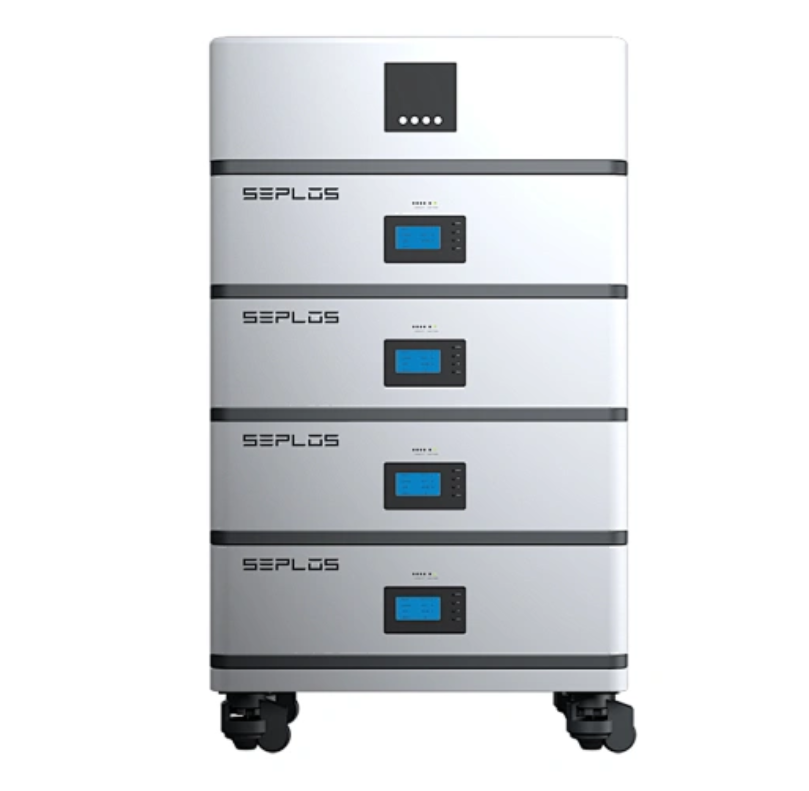
Lithium iron phosphate (LiFePO4) batteries are widely used in residential energy storage, commercial battery systems, renewable energy projects, electric vehicles, and industrial backup applications. Although LiFePO4 cells are known for their thermal stability and long cycle life, a complete battery pack still requires a Battery Management System (BMS) to monitor operating conditions and keep the cells within defined safety limits.
A LiFePO4 battery management system collects data from individual cells and the complete battery pack, including voltage, current, temperature, and charging status. It uses this information to manage protection, cell balancing, battery status estimation, fault reporting, and communication with equipment such as chargers, inverters, displays, and energy management systems. This article explains how a LiFePO4 BMS works and why it is an essential part of a reliable battery system.
What Is a LiFePO4 Battery Management System?
A LiFePO4 Battery Management System is an electronic control system that monitors and manages a lithium iron phosphate battery pack. It measures individual cell voltage, pack current, temperature, and other operating data, then compares these readings with predefined limits.
When the BMS detects an unsafe condition, it can generate an alarm, restrict operation, or disconnect the charging or discharging path. It may also balance the cells, estimate State of Charge (SOC) and State of Health (SOH), record operating data, and communicate with the inverter, charger, or energy management system.
How Does a LiFePO4 BMS Work?
A LiFePO4 BMS works through a continuous cycle of measurement, evaluation, and control:
- Sensors and voltage measurement circuits collect data from the battery cells and pack.
- The BMS compares the readings with configured voltage, current, and temperature limits.
- If an abnormal condition is detected, the BMS applies the appropriate protection or warning action.
- Cell balancing helps reduce voltage differences between cells.
- Battery status and fault information can be sent to other system components through communication interfaces such as CAN bus or RS-485.
The exact protection limits, balancing method, communication protocol, and control functions depend on the BMS design and the requirements of the complete battery system.
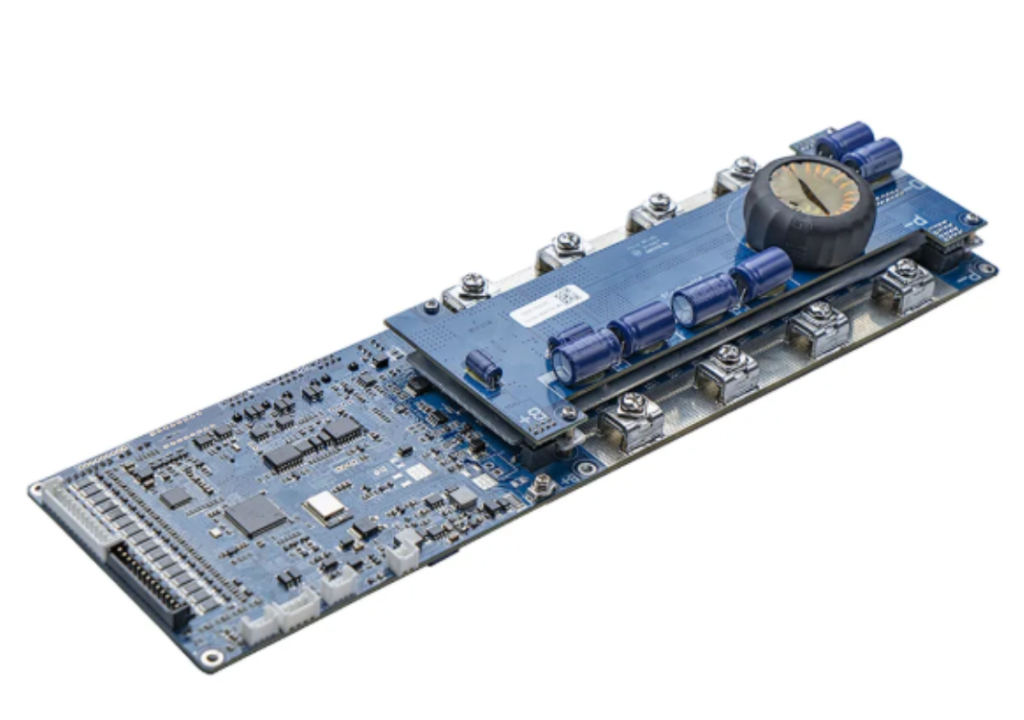
Key Functions of a Battery Management System (BMS)
A battery management system (BMS) is an electronic system designed to monitor and manage the various functions of a battery pack. For LiFePo4 batteries, the BMS comprises several essential components that work together to ensure safe and efficient operation.
1. Monitoring and Protection
One of the primary functions of a battery management system LiFePo4 is continuous monitoring of key parameters such as voltage, current, temperature, and state of charge (SoC). By collecting real-time data, the BMS can identify deviations that may pose risks to battery health or safety. For instance, excessive heat buildup can lead to thermal runaway—a condition that can compromise battery integrity.
In addition to monitoring, the BMS incorporates protective features to prevent overcharging, over-discharging, and short-circuiting. For instance, if a cell’s voltage drops below a predetermined threshold, the BMS will disconnect it from the circuit, thereby preventing damage. This protection is especially critical in applications that demand high reliability, such as electric vehicles and large-scale energy storage systems.
2. Cell Balancing and Efficiency Optimization
LiFePo4 batteries are typically composed of multiple cells connected in series and parallel configurations to achieve the desired voltage and capacity. However, variances in manufacturing can lead to discrepancies in cell performance, resulting in some cells being overcharged while others remain underutilized. The BMS addresses this issue through a process called cell balancing.
Cell balancing ensures that all cells within the battery pack operate at similar charge levels. By redistributing energy among the cells, the BMS optimizes overall battery performance, enhances efficiency, and extends the lifespan of the battery pack. This balancing not only maximizes energy output but also reduces the risk of premature aging and failure, making it a crucial feature for businesses seeking reliable power solutions.
FAQs About LiFePO4 Battery Management Systems
Why does a LiFePO4 battery pack need a BMS?
A LiFePO4 battery pack needs a BMS to monitor cell voltage, current, temperature, and charging conditions. The BMS helps keep the cells within their permitted operating limits and can stop charging or discharging when an unsafe condition is detected.
How does a LiFePO4 BMS protect the battery?
The BMS compares battery measurements with configured protection limits. It may respond to cell overvoltage, undervoltage, excessive current, short circuits, or abnormal temperatures by generating an alarm, limiting operation, or disconnecting the charge or discharge path.
Does a LiFePO4 BMS balance battery cells?
Many LiFePO4 BMS designs include cell balancing. Balancing helps reduce voltage differences between cells so that the battery pack can charge and discharge more consistently. The balancing method and current depend on the specific BMS design.
What information does a LiFePO4 BMS monitor?
A BMS commonly monitors individual cell voltage, total pack voltage, charge and discharge current, battery temperature, State of Charge, fault status, and operating history. Available measurements vary according to the sensors and functions included in the system.
Can a LiFePO4 BMS communicate with an inverter?
A BMS can communicate with an inverter when both devices support compatible communication interfaces and protocols. CAN bus and RS-485 are commonly used, but buyers must confirm the protocol definitions and compatibility rather than checking the interface name alone.
Is every LiFePO4 BMS compatible with every battery pack?
No. The BMS must match the battery pack’s series-cell count, voltage range, charge and discharge current, sensor configuration, communication requirements, and application. Compatibility should be verified before installation.
Conclusion: Why a LiFePO4 BMS Matters
A LiFePO4 battery management system monitors the cells, applies protection limits, supports cell balancing, and communicates important operating data. These functions help the battery pack operate more safely and consistently throughout its service life.
The correct BMS must match the battery voltage, cell configuration, current requirements, communication protocol, and intended application. It should therefore be evaluated as part of the complete battery system rather than as a standalone controller.
For support with your LiFePO4 battery project, share your battery specifications, inverter or charger model, communication requirements, and application details with the Seplos team.