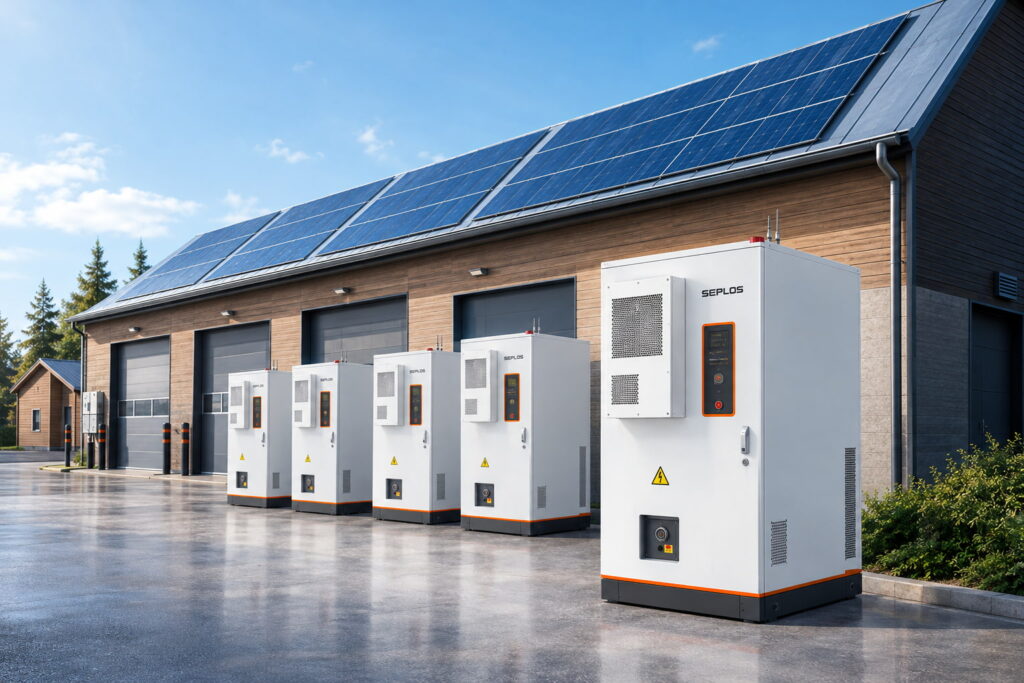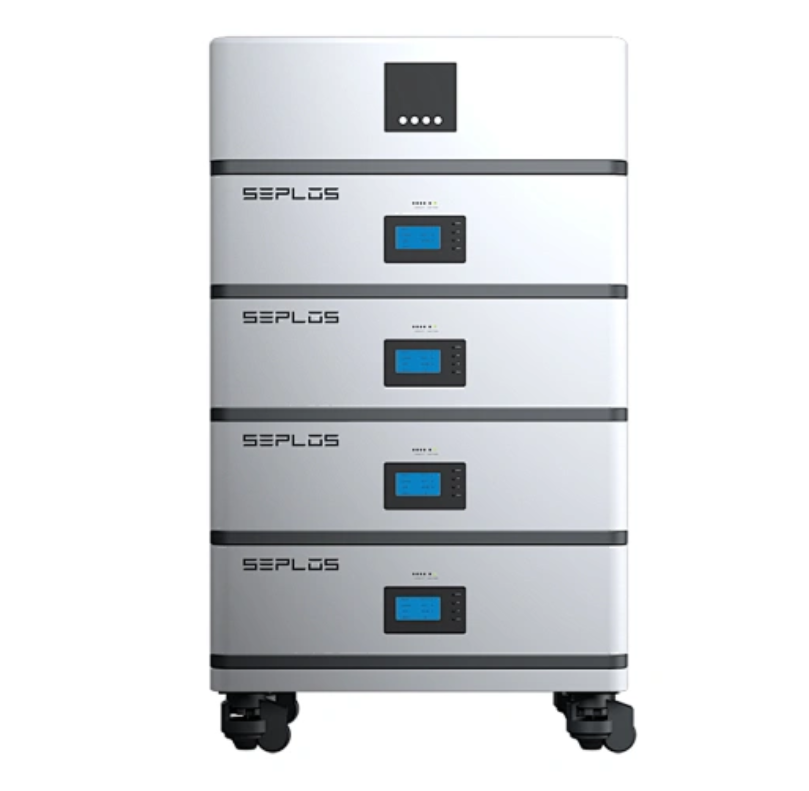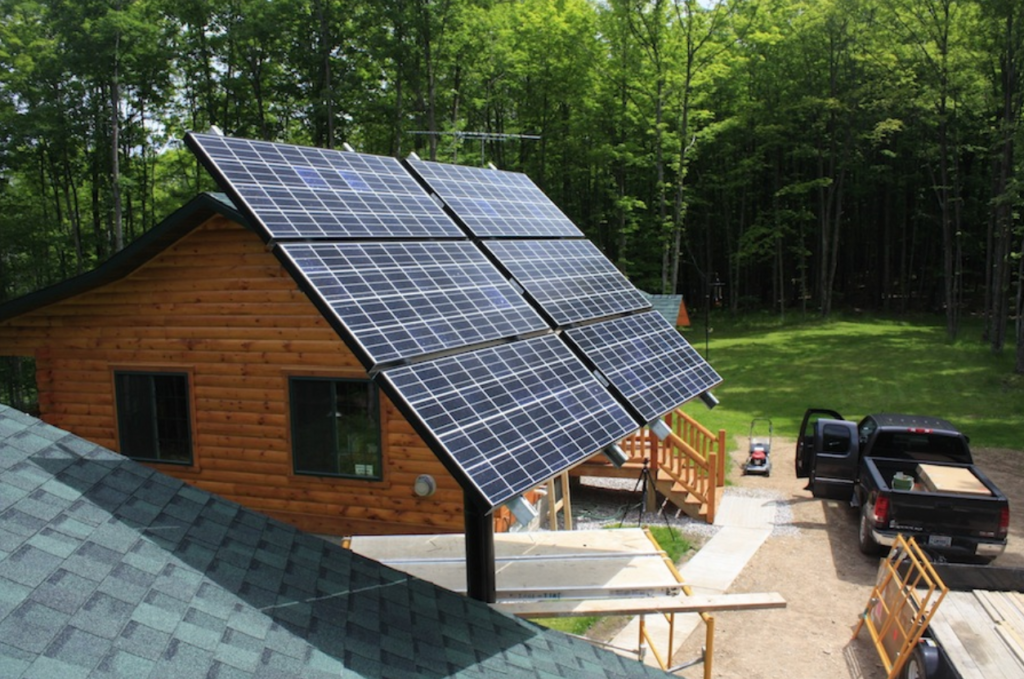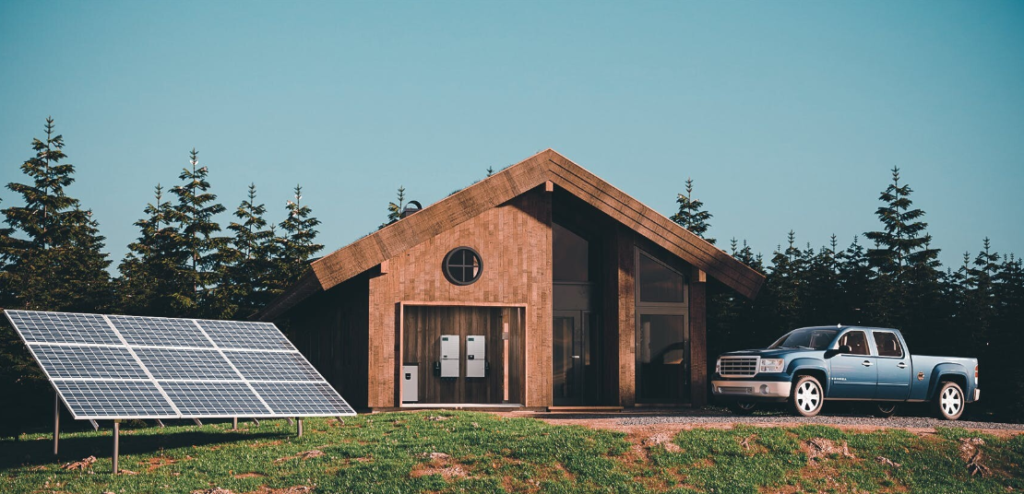

Investing in a solar battery energy storage system can improve energy self-consumption, backup capability and energy resilience. However, understanding the factors that affect the final cost is important before selecting a system.
Whether the system is intended for a home, commercial facility or larger energy storage project, the price depends on battery capacity, battery chemistry, power requirements, system components, installation conditions and project-specific requirements.
Quick Answer: How Much Does a Solar Battery Storage System Cost?
There is no single price for every solar battery storage system. The final cost depends on the amount of energy that must be stored, the required power output, battery type, system voltage, inverter and BMS configuration, installation complexity and delivery requirements.
The price of the battery alone should not be confused with the total cost of a complete energy storage system. A full quotation may also include battery modules, a battery management system, enclosure, inverter, protection equipment, cables, monitoring, transportation, installation and commissioning.
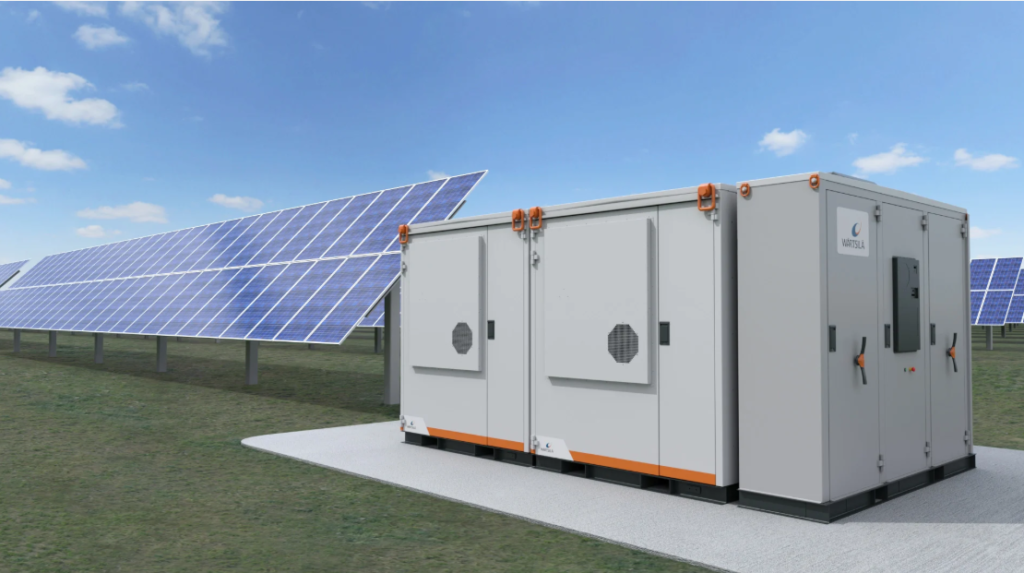
Factors Influencing the Cost of Solar Energy Battery Storage Systems
1. Battery Capacity: One of the main factors affecting the cost of a solar battery energy storage system is its capacity. Larger batteries that can store more energy generally come with a higher price tag. If you need a battery that can power your home during cloudy days or at night, you’ll likely need a larger system, which will naturally cost more.
2. Battery Type: The type of battery you choose plays a significant role in pricing. Lithium-ion batteries, the most popular choice for residential use, are known for their high efficiency, long lifespan, and reliability. However, they are more expensive compared to lead-acid batteries, which are typically more affordable but come with a shorter lifespan and lower efficiency. Understanding the pros and cons of each type will help you determine the best fit for your home and budget.
3. Installation Complexity: The complexity of the installation process can also influence the overall cost of a solar battery energy storage system. Newer solar systems that are designed to integrate with battery storage are usually easier and less costly to install. However, retrofitting an older solar system to accommodate a battery can require additional work, which can increase installation costs.
How to Determine the Right System for Your Home
1. Assess Your Energy Consumption: Before purchasing a solar battery energy storage system, it’s important to understand how much energy your household consumes on a daily basis. This will help you determine the size of the battery you need. A small home might need a lower energy consumption, while larger homes or those with higher energy consumption may require a system with greater capacity.
2. Consider Your Existing Solar Setup: If you already have a solar system in place, it’s important to consider whether it’s battery-ready. New solar systems are often easier to integrate with batteries, while older systems might need an upgrade, which could add to the overall cost.
3. Get Multiple Quotes: Prices can vary significantly depending on the brand and installer, so it’s always a good idea to get multiple quotes. Compare offers from different companies and installers to find the best value for your specific needs.
Understanding the Price Range of Solar Batteries
The cost of a solar battery energy storage system can vary depending on the type of battery you choose. Lithium-ion batteries typically cost more upfront, but they offer better long-term savings due to their higher efficiency and longer lifespan. On the other hand, lead-acid batteries are more budget-friendly initially but tend to have a shorter lifespan and lower efficiency.
In addition to the type of battery, prices can vary widely between different brands. That’s why it’s essential to research and evaluate your options before making a decision.
Frequently Asked Questions
What affects the cost of a solar battery storage system?
The main cost factors include battery capacity, battery chemistry, power output, system voltage, BMS, inverter, enclosure, installation, certification, customization and delivery.
Is the battery price the same as the complete system cost?
No. The battery price may cover only the battery modules. A complete system can also include the BMS, inverter, cabinet, monitoring, protection equipment, cables, shipping, installation and commissioning.
Do larger solar batteries always cost more?
Larger-capacity batteries generally cost more, but price also depends on power output, chemistry, system design, components and order quantity. Two systems with the same capacity may have different prices.
Are lithium batteries more expensive than lead-acid batteries?
Lithium batteries commonly have a higher initial price. However, their longer service life, greater usable capacity and lower maintenance requirements may provide a better lifecycle value for many solar storage applications.
What information is needed to request a solar battery system quotation?
Provide the required capacity, system voltage, peak power, daily energy use, backup duration, solar capacity, inverter model, installation location, application and order quantity.
Conclusion
The cost of a solar battery energy storage system depends on more than battery capacity alone. Battery chemistry, power requirements, system components, installation conditions, certification and delivery all influence the final quotation.
Seplos provides lithium battery and energy storage solutions for residential, commercial and stationary energy applications.
To receive a more accurate recommendation, share your required capacity, system voltage, power output, inverter information, application, installation conditions and order quantity.
Contact Seplos to discuss the configuration and quotation for your solar battery storage project.