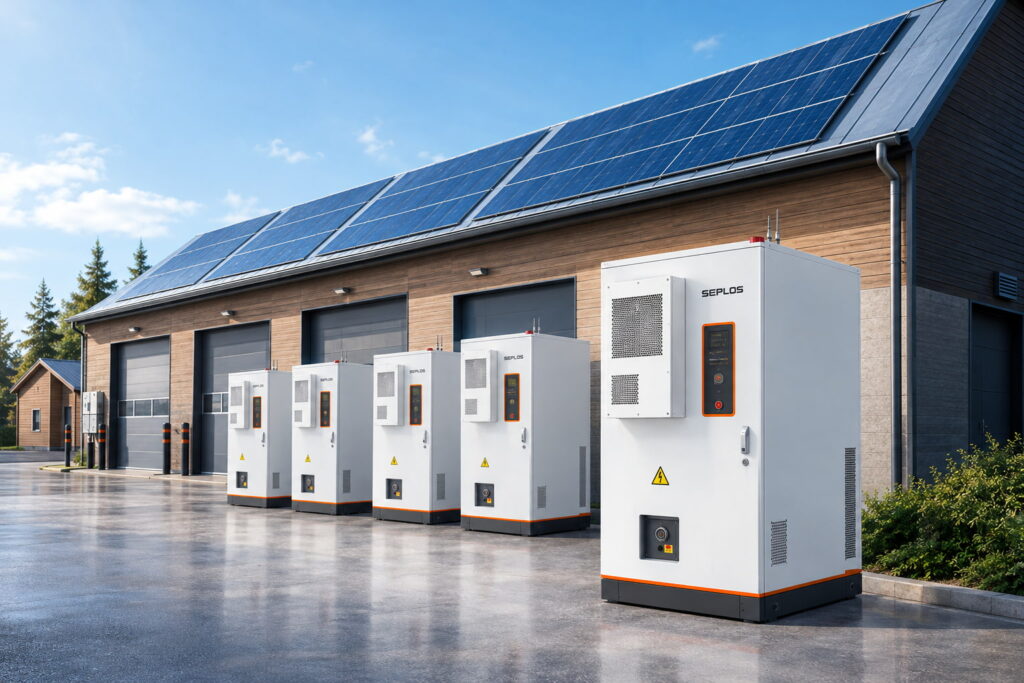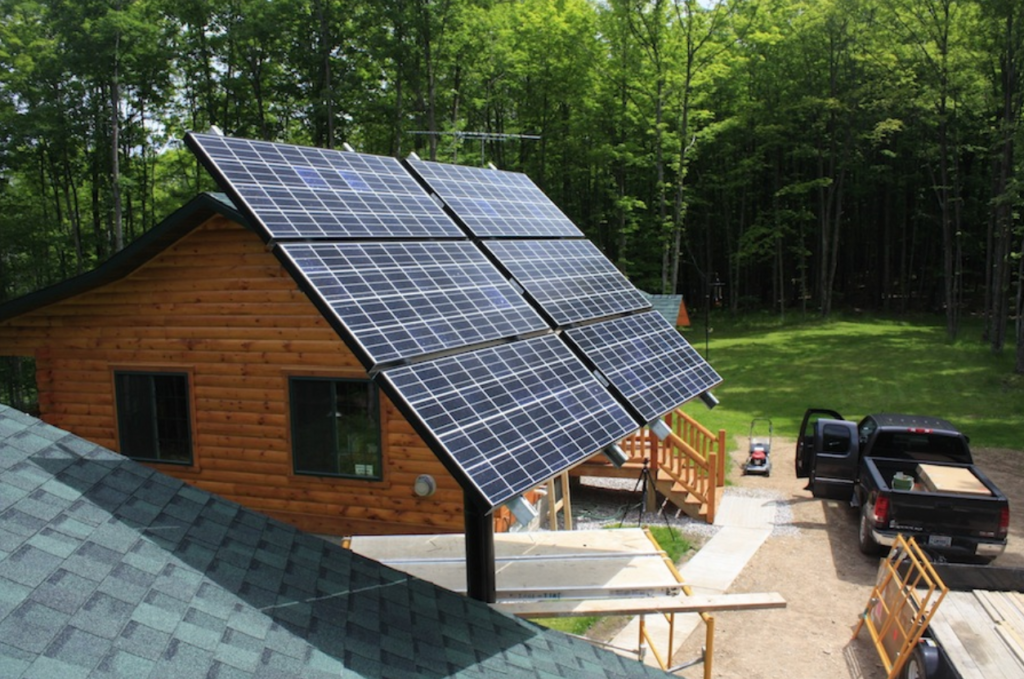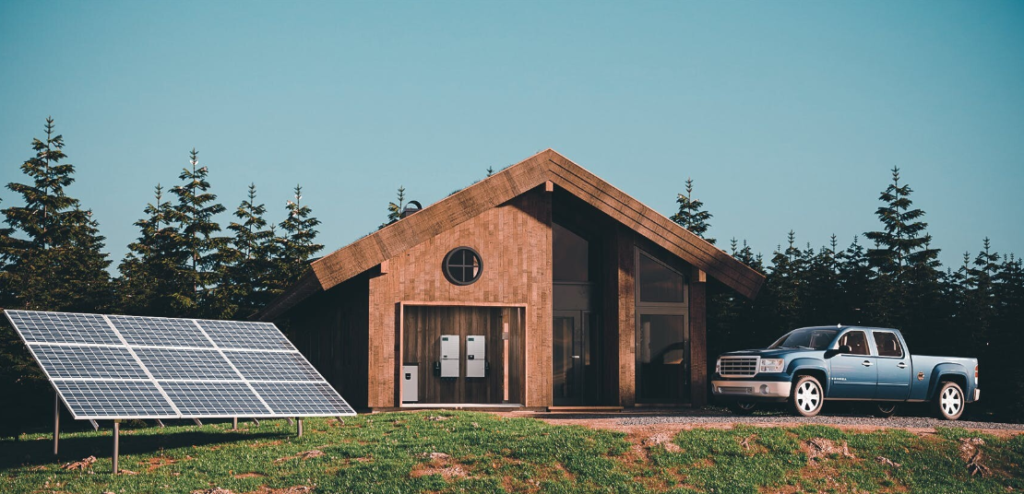
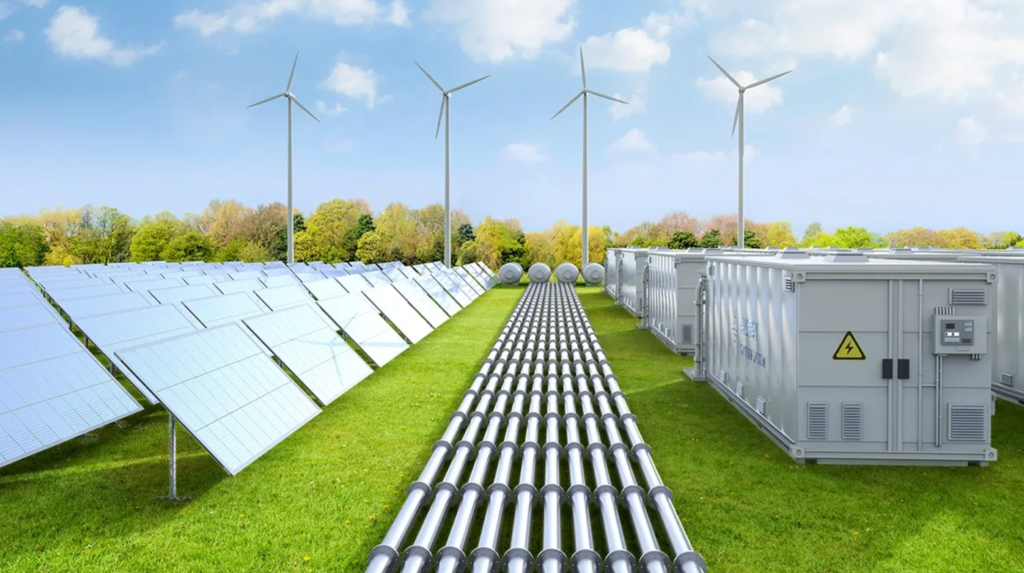
In today’s world, energy independence is more important than ever. With energy costs continuing to rise and global demand for sustainable solutions increasing, businesses are turning to solar energy and advanced battery storage systems.
These systems can help reduce energy costs over time while providing a more reliable energy solution that increases energy self-sufficiency. By storing and managing solar power, businesses can reduce their reliance on external energy sources and improve their ability to respond to grid disruptions.
Quick Answer: How Does Solar Battery Storage Support Energy Independence?
Solar battery energy storage systems store surplus solar electricity for use when solar generation is low or grid electricity is expensive or unavailable. This helps businesses increase solar self-consumption, reduce the amount of electricity purchased from the utility grid and maintain selected essential loads during outages when the system includes sufficient battery capacity and backup-capable equipment.
Energy independence does not always mean completely disconnecting from the grid. For many businesses, it means gaining greater control over when and how grid electricity is used.
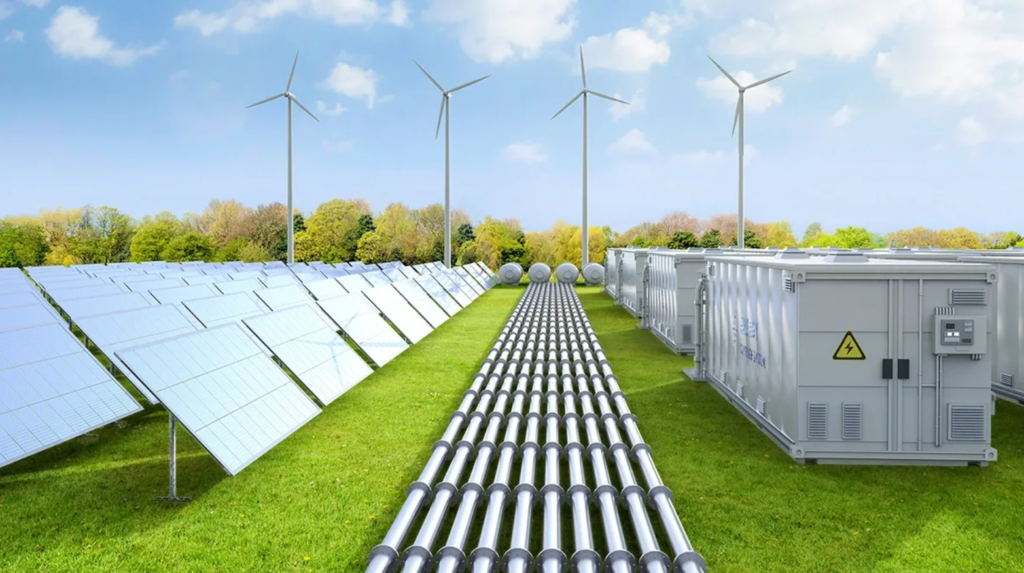
Empowering Self-Sufficiency with Solar Battery Storage
One of the primary advantages of solar battery energy storage systems is the ability to harness surplus solar energy. During sunny periods, businesses generate more energy than they consume. Solar batteries store this excess energy for use when solar generation is low, such as at night or on cloudy days. By storing this surplus, businesses can reduce their reliance on external energy sources, like the utility grid. This self-sufficiency means that your business can operate without depending on electricity from outside sources, leading to significant savings and energy control.
Achieving Grid Independence and Enhanced Reliability
Solar battery storage systems enable businesses to achieve grid independence. With this technology, companies can reduce or completely eliminate their dependence on the utility grid. This shift allows businesses to gain more control over their energy consumption, as they rely on their own solar power instead of purchasing from external providers. Furthermore, these systems provide a consistent power supply even during periods of low solar activity. On cloudy days or at night, your stored energy is ready to be used, ensuring your business remains operational without interruptions.
Emergency Backup and Long-Term Energy Security
Another critical benefit of solar battery energy storage systems is their ability to act as a reliable emergency backup during grid outages. Power failures can cause disruptions to business operations, but with a solar battery system, you have a backup source of power to keep essential operations running smoothly. Moreover, by investing in solar battery storage, businesses can secure long-term energy security. Reducing dependence on external energy sources makes businesses more resilient to disruptions, whether caused by natural disasters, price hikes, or grid failures.
Frequently Asked Questions
How does solar battery storage reduce grid dependence?
Solar battery storage captures excess solar electricity and makes it available when solar generation is low. This allows a business to purchase less electricity from the grid and use more of the energy generated on-site.
Can a solar battery system make a business completely energy independent?
It is possible in some properly designed off-grid systems, but not every solar battery installation provides complete independence. The result depends on solar capacity, battery size, energy consumption, seasonal conditions and backup requirements.
Can solar batteries provide power during a grid outage?
They can provide backup power when the system includes a compatible backup inverter, suitable switching equipment and enough stored energy. A standard grid-connected solar system may shut down during an outage if it is not designed for backup operation.
How long can a solar battery support business operations?
Backup duration depends on usable battery capacity, the power consumption of connected equipment and the system’s discharge limits. Businesses commonly prioritize essential loads instead of attempting to power an entire facility.
What information is needed to plan a commercial solar battery system?
Useful project information includes daily energy consumption, peak load, solar system capacity, required backup loads, expected backup duration, system voltage, inverter model and installation conditions.
Conclusion
Solar battery energy storage systems can help businesses use more of their own solar electricity, reduce grid reliance and improve resilience during power disruptions. The level of energy independence achieved depends on the complete system design rather than the battery alone.
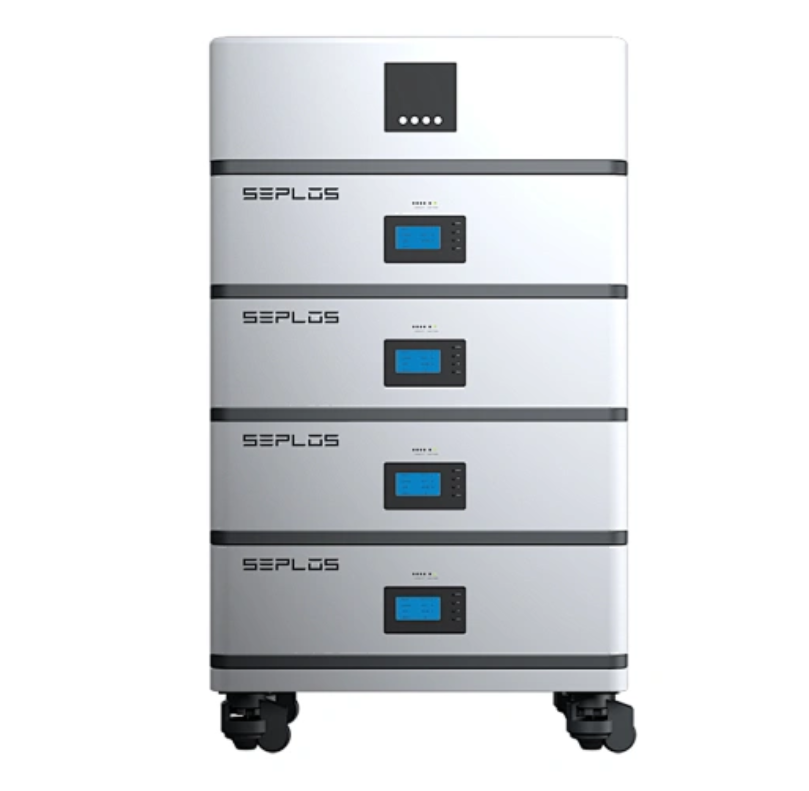
Seplos provides lithium battery and energy storage solutions for residential, commercial and other stationary energy applications.
To discuss a suitable system for your project, share your required battery capacity, system voltage, solar generation, inverter information, essential loads and expected backup duration.
Contact Seplos to discuss system compatibility and solar battery storage options for your project.