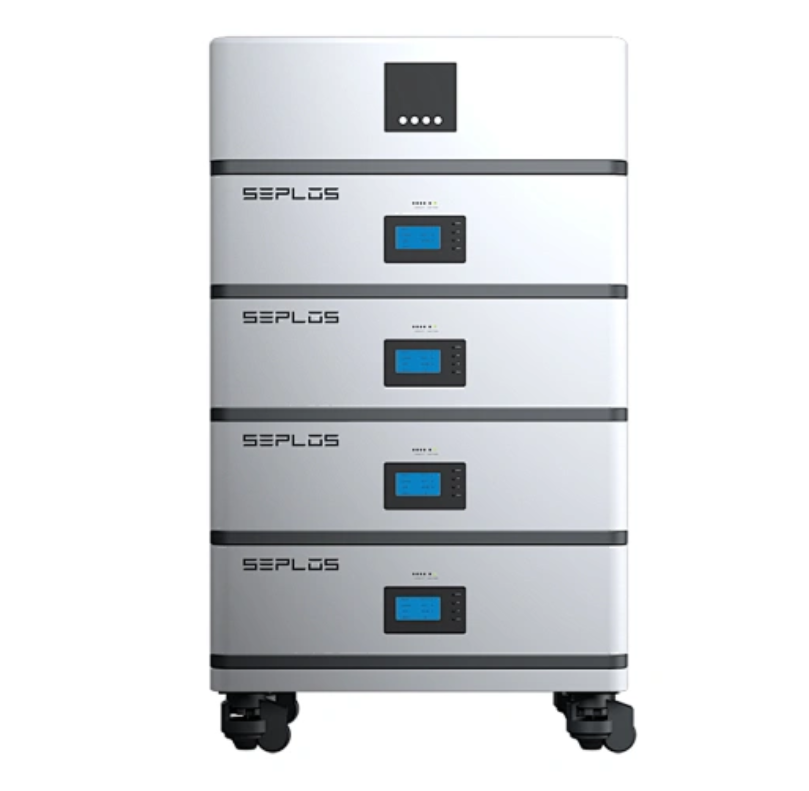
A solar battery warranty can protect buyers against certain product defects or performance losses, but coverage varies by manufacturer, battery model, installation method, operating conditions, application, and market.
Buyers should review more than the warranty period. Important terms may include capacity retention, cycle or energy-throughput limits, approved applications, installation requirements, internet or monitoring requirements, labor coverage, transport costs, exclusions, and the warranty claim process.
This article explains the main warranty types, the information usually required for a claim, and the support responsibilities that should be confirmed before purchasing a solar energy storage system.
Types of Warranties for Solar Energy Storage Systems
A complete solar storage project may include separate warranties for the battery, inverter or PCS, energy management equipment, solar panels, installation workmanship, and overall system performance. These warranties may have different start dates, durations, exclusions, and claim procedures.
Product and Manufacturing Defect Warranties
Product warranties generally cover specified defects in materials or manufacturing during the warranty period. Depending on the terms, the manufacturer may repair the product, replace a component, provide a refurbished unit, or offer another stated remedy.
Coverage does not automatically include installer labor, removal, reinstallation, shipping, travel, lost energy, business interruption, or damage to other equipment. Buyers should confirm which costs are covered and which party is responsible for onsite service.

Capacity Retention and Performance Warranties
Battery performance warranties may specify a minimum retained energy capacity at a certain point in the warranty period. Some products also limit coverage by cycle count, total energy throughput, operating application, or whichever limit is reached first.
Buyers should check how capacity is measured, where the measurement is taken, what operating conditions apply, and what remedy is available if the battery falls below the stated threshold. The warranty period alone does not provide a complete comparison.
Workmanship Warranties from Installers
Installer workmanship warranties cover specified problems caused by installation work, such as certain wiring, mounting, connection, or commissioning errors. They are separate from the manufacturer’s product warranty.
Buyers should confirm the workmanship warranty period, the legal entity responsible, response procedures, labor coverage, and whether the installer will still provide support if a component manufacturer rejects a claim. For commercial projects, these responsibilities should be written into the supply and installation contract.
Warranty Claims Process and Manufacturer Support
Identify the Responsible Warranty Contact
The first warranty contact may be the installer, distributor, system integrator, or manufacturer, depending on the sales channel and contract. Buyers should confirm this responsibility before commissioning.
For commercial projects, record the contact details, escalation path, required response time, and responsibilities of each party. If the installer stops trading or no longer supports the product, the buyer should know whether claims can be submitted directly to the manufacturer.
Documents and Steps Required for a Warranty Claim
A warranty claim commonly begins with fault diagnosis and verification that the product is still within the applicable warranty period. The supplier may request:
- Product model and serial number
- Purchase and installation records
- Commissioning documents
- Photos or videos of the installation
- Fault codes and event logs
- BMS, inverter, or monitoring data
- Operating and temperature records
- A description of the problem and troubleshooting already completed
Claim timelines vary according to fault complexity, parts availability, location, installation access, and whether onsite inspection is required. Buyers should not assume that every claim will be resolved within a fixed number of days or weeks.
Handling Potential Defects or Performance Issues
When a performance problem appears, first follow the approved troubleshooting and safety procedure. Do not open, modify, bypass, or repair battery equipment unless authorized, because unauthorized work may create a safety risk or affect warranty eligibility.
Preserve monitoring records, alarms, fault codes, photos, and communication history. Clear documentation can help determine whether the issue involves the battery, BMS, inverter or PCS, communications, installation, environmental conditions, or another part of the system.
Ongoing Support for Solar Energy Storage Systems
Performance Monitoring Systems
Monitoring systems can provide useful evidence for troubleshooting and warranty claims by recording energy flow, state of charge, temperature, alarms, communication status, and system performance.
Buyers should confirm how long data is stored, who owns the data, whether remote access is included, what happens if internet connectivity is lost, and whether monitoring is required to maintain full warranty coverage.
Troubleshooting and Technical Support
Technical support may include remote diagnostics, software or firmware assistance, troubleshooting guidance, replacement-part coordination, and onsite service. The exact service level varies by supplier and contract.
Before purchase, confirm support hours, available languages, response targets, remote-access requirements, escalation procedures, spare-parts availability, onsite labor rates, and whether support continues after the installer’s standard service period ends.
What B2B Buyers Should Check in an Energy Storage Warranty
Commercial and large-scale buyers should review the warranty for the complete energy storage system, not only the battery cells or modules. Key points include:
- Warranty start date and commissioning requirements
- Product defect coverage
- Capacity retention, cycle, and throughput limits
- PCS, BMS, EMS, HVAC, and auxiliary-equipment coverage
- Approved operating applications and duty cycles
- Temperature, maintenance, and connectivity requirements
- Labor, travel, removal, shipping, and reinstallation costs
- Remote support and onsite response targets
- Spare-parts availability and replacement lead times
- Warranty transfer and change-of-ownership conditions
- Exclusions for misuse, unauthorized modification, or incompatible equipment
- Responsibility for system downtime and lost revenue
For large projects, these requirements should be aligned across the supplier, integrator, installer, and operations contract so that responsibility is clear if a fault affects multiple components.
Frequently Asked Questions
How long is a typical solar battery warranty?
Many products use a multi-year limited warranty, but the exact period varies by model, market, application, cycle count, and energy throughput. The number of years should not be reviewed alone.
What does a solar battery warranty usually cover?
It may cover specified manufacturing defects and minimum capacity retention. Labor, transport, removal, installation, and business losses may be excluded unless explicitly included.
What information is needed for a warranty claim?
Typical requirements include the serial number, proof of purchase, installation records, fault codes, monitoring data, photos, and troubleshooting results.
Who handles a solar battery warranty claim?
The responsible party may be the installer, distributor, integrator, or manufacturer. Buyers should confirm the claim route before purchasing the system.
Conclusion
A solar battery warranty should be evaluated by its coverage, performance conditions, exclusions, claim procedure, and support responsibilities—not only by the number of years shown on a product page.
Buyers should confirm capacity-retention terms, cycle or throughput limits, approved applications, monitoring requirements, labor and transport coverage, installer responsibilities, and technical-support arrangements. For commercial projects, the battery, PCS, BMS, EMS, installation, and service warranties should be reviewed together before signing the supply contract.
Evaluating warranty and support terms for a solar energy storage project? Share your battery configuration, inverter or PCS model, application, operating profile, target market, and service requirements with the Seplos team for warranty and compatibility review.