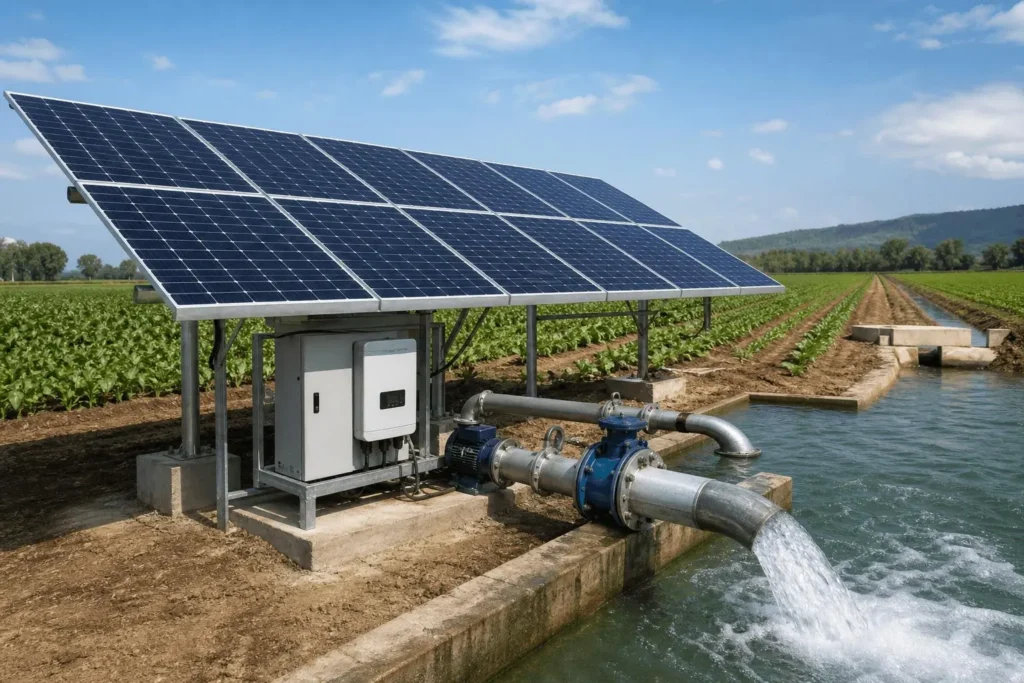
A farm may need to pump thousands of gallons of water during a narrow irrigation window. The challenge is not simply how much electricity the pump consumes, but when that electricity is needed, how long the pump must run, and whether the available power supply can keep up with the operation.
For agricultural projects that combine electric irrigation pumps with solar PV or grid electricity, battery storage can provide another way to manage energy use. It can store available electricity and make it available when pumping demand does not match generation or when the farm needs a more flexible power supply.
However, a battery is not automatically the right investment for every farm. The operating schedule, pump characteristics, water storage capacity and local electricity tariff all matter. These factors should be assessed before selecting an agricultural battery storage system.
1. Understanding the Energy Demands of Agricultural Irrigation
Irrigation pumping can create a demanding electrical load, particularly where water must be lifted from deep wells or delivered through pressurized distribution systems.
The energy required depends on more than the motor’s rated power. Well lift, required discharge pressure, flow rate, pump efficiency and operating hours all influence electricity consumption. A farm using several pumps may also experience overlapping demand when different irrigation zones operate at the same time.
Seasonality adds another complication. Some farms pump heavily during a few growing-season months, while others operate irrigation equipment more regularly throughout the year. Electricity demand can therefore change considerably between seasons.
Before considering battery storage, project developers should understand three parts of the operating profile:
- Pump demand: Motor power, starting requirements, operating hours and the number of pumps running simultaneously.
- Water demand: Required flow rate, pumping duration, irrigation schedule and the amount of water that can be stored.
- Energy supply: Grid availability, electricity tariffs, solar generation and any existing backup source.
The USDA Natural Resources Conservation Service identifies well lift and system operating pressure as important factors when estimating irrigation pumping energy costs. This is why a pump’s nameplate rating alone is not enough for reliable system planning.
2. Where Battery Storage Can Create Value
Battery storage becomes useful when the timing of electricity supply and the timing of irrigation demand do not line up.
Using Solar Energy Beyond Peak Generation Hours
A solar-powered irrigation system may generate more electricity during sunny hours than the pumps can use at that moment. A battery can store some of the surplus energy for later operation, including evening pumping or other farm loads.
This can be relevant where irrigation schedules cannot be moved entirely into daylight hours. The value depends on the amount of surplus solar generation, battery losses, storage capacity and the cost of alternative electricity.
Managing Electricity Demand
Where utility tariffs include time-of-use pricing or demand charges, a properly configured battery may help reduce grid consumption during expensive periods or limit short periods of high site demand.
The control strategy matters. If irrigation can already be shifted to lower-cost hours without affecting crop water requirements, changing the pumping schedule may be a simpler option. Battery storage should be evaluated against that alternative rather than assumed to be the cheaper choice.
Supporting Power Availability
For farms exposed to grid interruptions, battery storage may support selected electrical loads when the system includes the required backup-capable inverter or PCS, switching equipment and control configuration.
That does not mean every irrigation pump can run during an outage. The supported motor load, starting demand, backup duration and electrical arrangement must all be checked in advance.
3. How to Configure Battery Storage for Irrigation Pumping
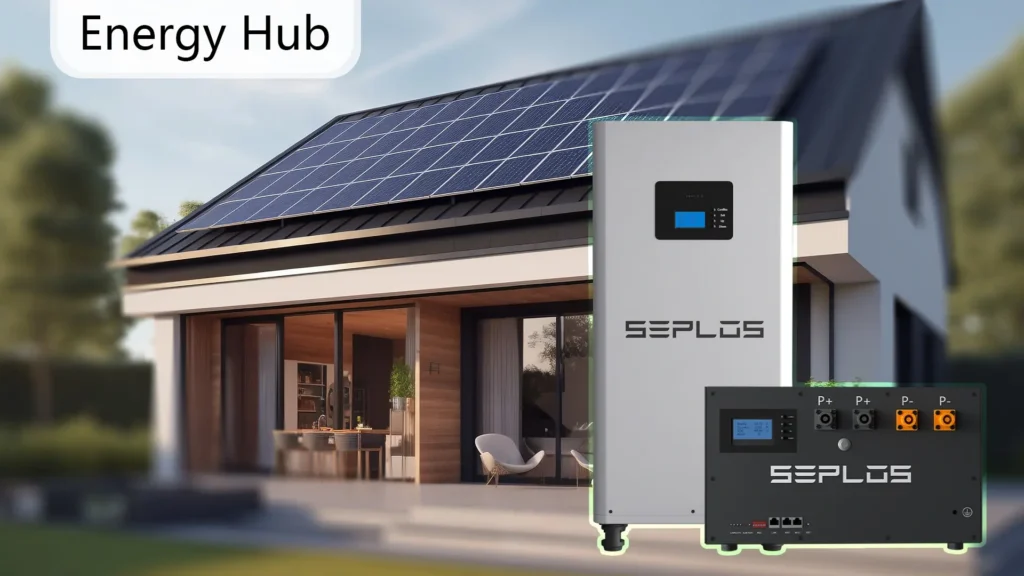
A typical solar-plus-storage arrangement may connect the following components:
- Solar PV panels for on-site electricity generation.
- A battery energy storage system for storing and supplying electrical energy.
- A compatible inverter or PCS for power conversion and grid interaction.
- A battery management system (BMS) for monitoring battery conditions and providing battery protection.
- An energy management or control system for coordinating charging, discharging and site loads.
- Irrigation pumps, motor controls and the associated water distribution equipment.
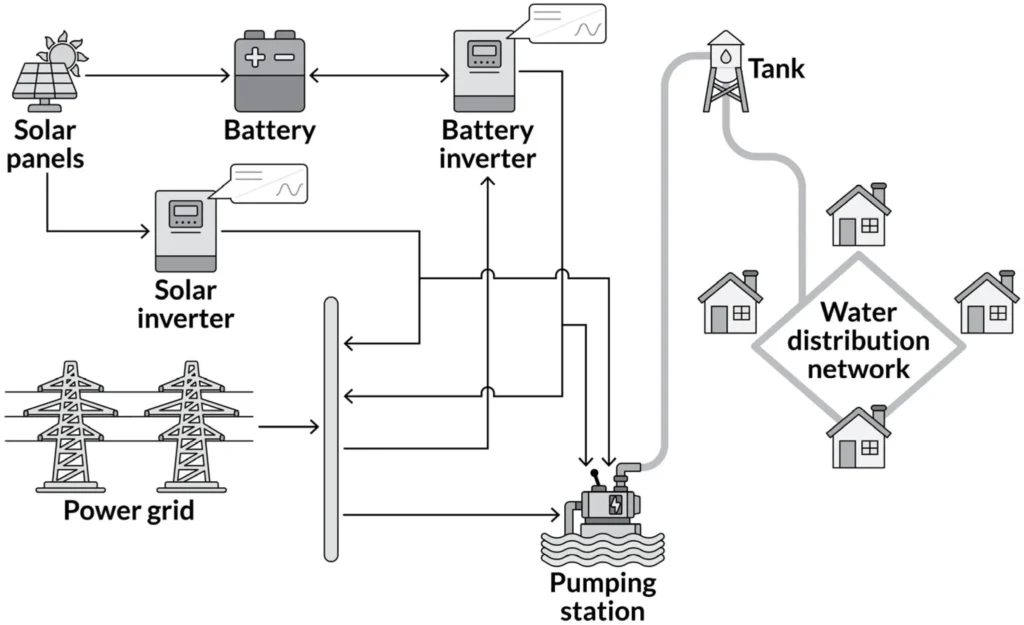
The exact arrangement depends on whether the project is grid-connected, off-grid or designed as a hybrid system. Existing diesel generators may also remain part of the power supply where site reliability requirements justify them.
One detail deserves particular attention: irrigation pumps use electric motors, and motor starting can impose a higher instantaneous demand than normal running operation. The inverter or PCS must be checked against motor starting requirements, not just average pump consumption. Where variable-frequency drives (VFDs) are used, their electrical compatibility and control arrangement should also be confirmed.
Battery capacity and inverter power are different design questions. A system may have enough stored energy in kWh but still lack the power capability in kW to start or operate the required pumps.
4. What Should Be Checked Before Sizing the System?
There is no reliable standard battery size for agricultural irrigation. Two farms with similar acreage may have very different energy requirements because their well depths, pump pressures, irrigation schedules and water storage arrangements are not the same.
Before requesting a system proposal, collect the following information:
- Pump specifications: Rated power, voltage, phase, rated current, starting method and VFD details.
- Operating data: Daily pumping hours, seasonal operating months, peak demand and the number of pumps running together.
- Hydraulic requirements: Well lift, flow rate, operating pressure and required water delivery volume.
- Energy supply: Grid connection details, electricity tariff, solar PV capacity and generator availability.
- Backup requirements: Which pumps or other loads must remain operational during a grid outage, and for how long?
- Site conditions: Installation location, ambient temperature, available space and environmental exposure.
Also review whether water storage tanks or reservoirs can provide operational flexibility. In some projects, pumping water when electricity is readily available and storing it for later irrigation may reduce the amount of battery capacity required.
That comparison is worth making before investing in a larger battery system.
5. Exploring a Seplos Energy Storage Solution
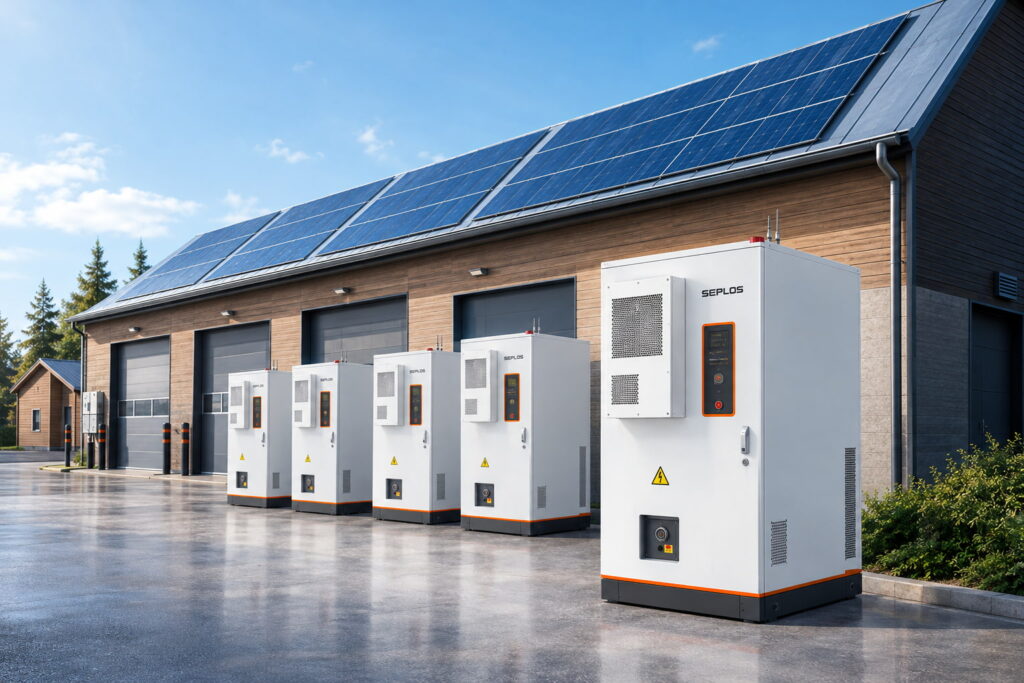
For agricultural projects considering battery-backed irrigation, Seplos commercial and industrial energy storage systems provide a relevant product pathway for evaluating battery storage requirements.
Seplos offers C&I energy storage systems and integrated energy storage solutions covering battery systems, BMS, inverter integration and project-specific configuration. The appropriate system depends on the required power, energy capacity, electrical architecture and operating conditions.
For an irrigation project, the first step is not choosing a battery model from a product list. It is confirming the pump load profile, motor starting requirements, available solar or grid supply, backup expectations and the intended operating schedule.
With this information, the project team can assess whether battery storage is technically suitable and identify the configuration that should be reviewed with the supplier.
If you are planning an agricultural irrigation or pumping project, share your pump specifications, operating schedule, electricity supply and backup requirements with the Seplos team. These details provide a much more useful starting point for discussing a suitable energy storage configuration than farm size alone.
Explore Seplos commercial and industrial energy storage systems or contact the Seplos team to discuss your project requirements.