
Commercial solar storage can work off-grid when the solar array, battery capacity, inverter or PCS, load demand and backup strategy are properly designed. For businesses, remote facilities and commercial sites, off-grid operation depends on matching daily energy use with solar generation, usable battery storage and reliable system control.
In an era of rising energy costs and increased focus on sustainability, businesses are increasingly turning to renewable energy sources like solar power. One of the most significant innovations in this space is commercial solar energy storage, which allows companies to operate off-grid entirely. By combining solar panels with battery storage, businesses can capture and store energy during the day for use when the sun isn’t shining. While transitioning to an off-grid system requires careful planning and a significant investment, the long-term benefits of energy independence and reduced costs can make it a worthwhile venture. In this article, we will examine how businesses can successfully make the switch to off-grid energy and the key considerations involved.
Can a Business Use Commercial Solar Storage Off-Grid?
| Factor | Why It Matters |
|---|---|
| Daily energy demand | Determines required solar generation and battery capacity |
| Solar conditions | Affects how much energy can be produced each day |
| Battery storage capacity | Supports night use, cloudy days and backup power |
| Inverter or PCS capacity | Determines how much load can be powered at once |
| Backup generator need | Helps cover long periods of low solar production |
| EMS and BMS control | Supports charging, discharging, safety and system reliability |
| Load priority | Helps decide which equipment must stay powered first |
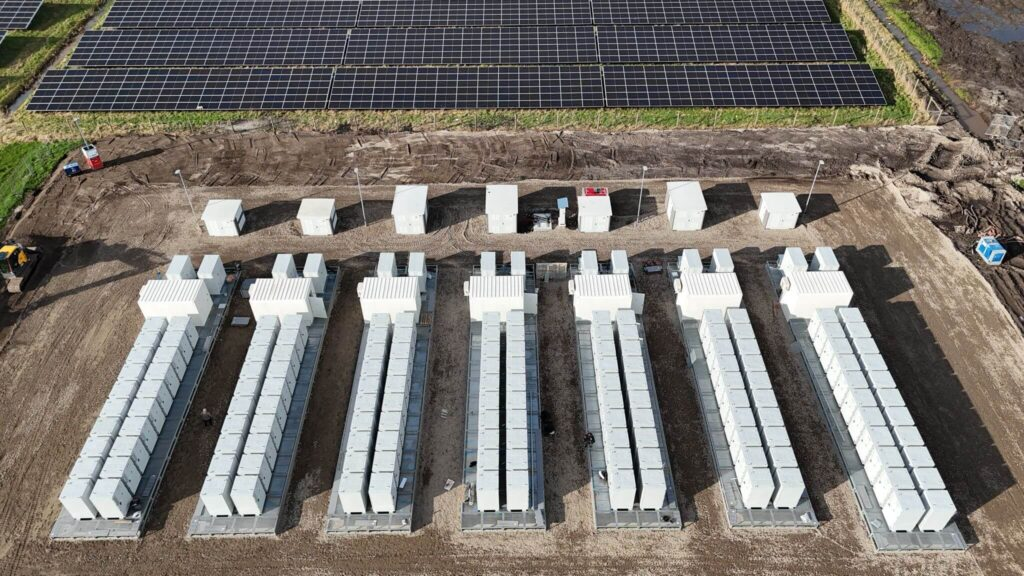
How Commercial Solar Storage Supports Off-Grid Operation
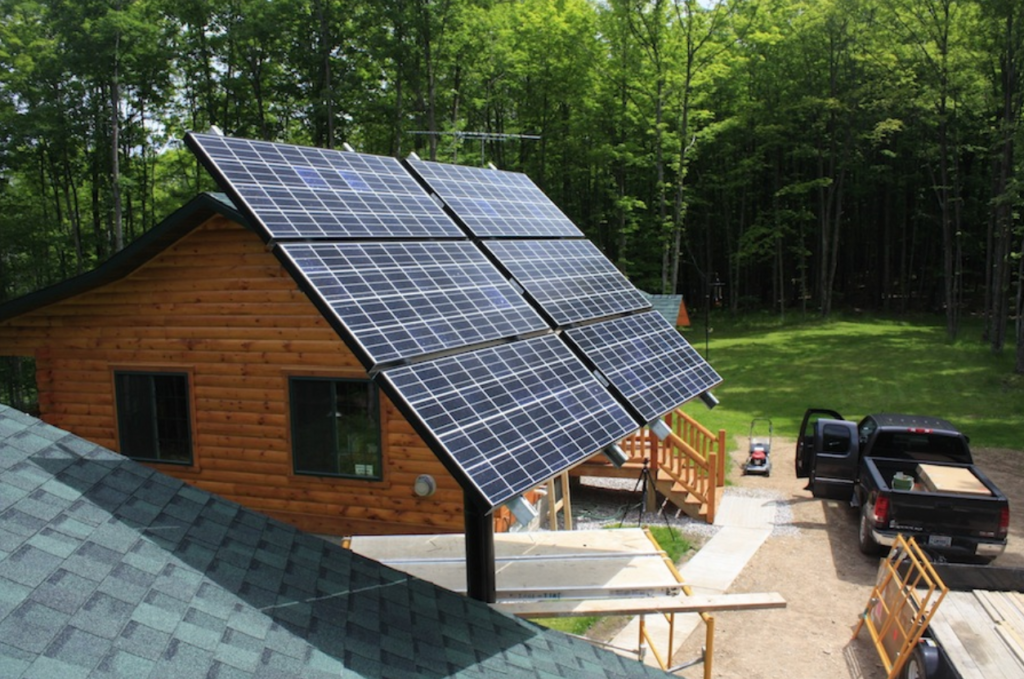
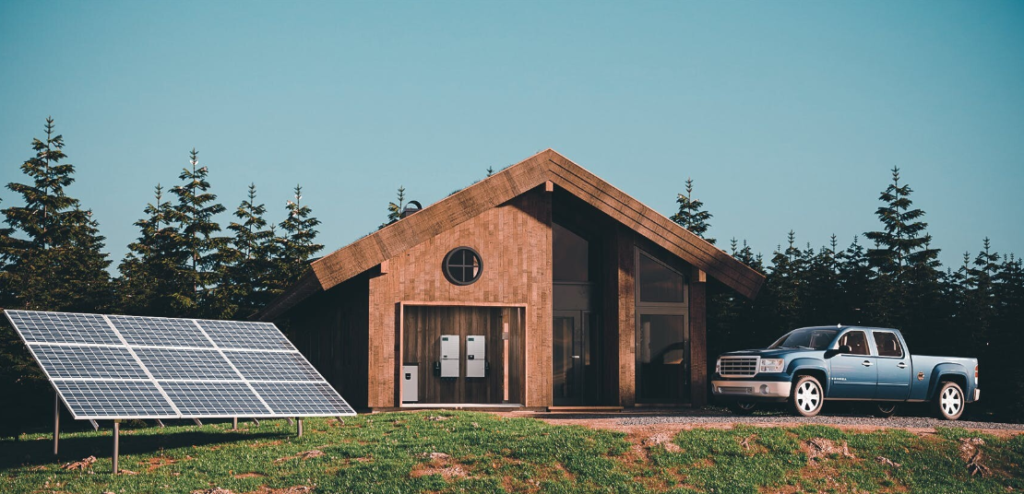
To fully disconnect from the grid, businesses need a robust commercial solar energy storage system. Off-grid systems operate by storing solar power in batteries, which can then be used to meet business energy demands. During the day, solar panels capture energy, and any excess power is stored for later use, such as during the night or on cloudy days. Achieving off-grid status requires a significant upfront investment, but it can offer long-term benefits, especially for companies with steady or predictable energy needs.
Battery Capacity and Energy Demand for Off-Grid Commercial Solar Storage
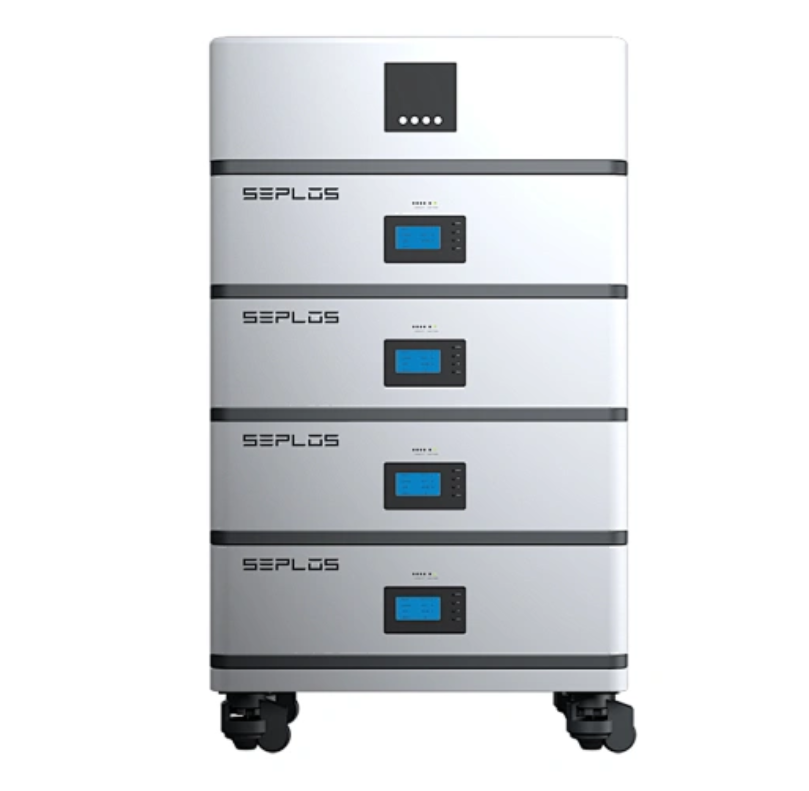
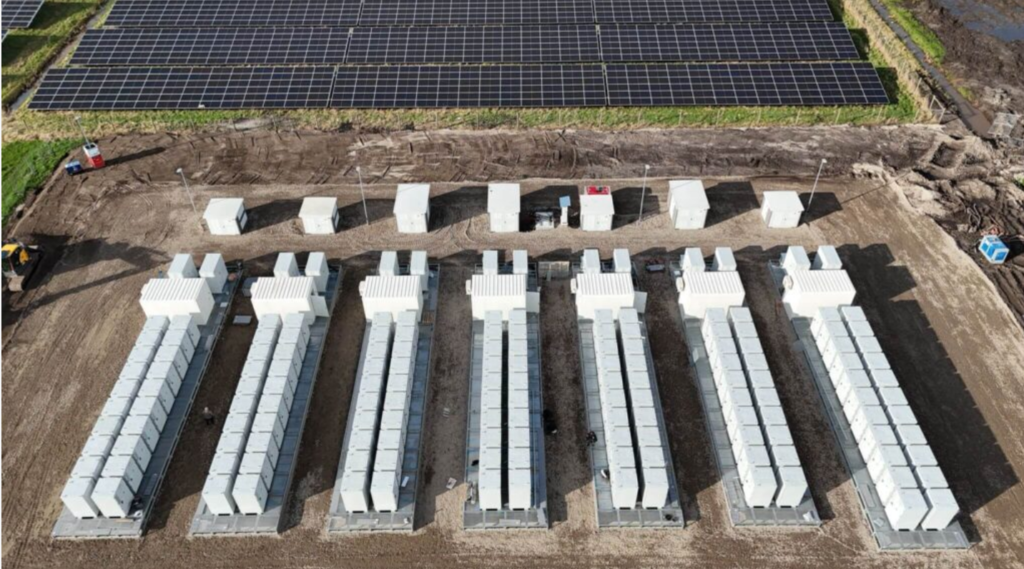
The most crucial factor in determining whether a business can successfully operate off-grid is the size of the battery storage. Commercial solar energy storage systems must have a large enough capacity to store sufficient energy for times when solar production is low or energy demand spikes. Businesses with higher energy consumption may face challenges unless they invest in larger batteries or consider supplementing their system with backup generators. Backup generators can ensure that power is always available, particularly in regions with extended periods of cloud cover or poor sunlight.
Benefits and Limits of Off-Grid Commercial Solar Storage
Adopting an off-grid solar system offers numerous operational benefits. By eliminating grid dependence, businesses can significantly reduce energy costs, especially during peak hours when grid electricity is more expensive. In addition, commercial solar energy storage systems can provide enhanced energy security, protecting businesses from potential outages or power disruptions. However, businesses must consider the initial capital required for installation and maintenance. The cost of large batteries and solar panels, as well as potential ongoing upkeep, can be substantial.
Why BMS and EMS Matter in Off-Grid Commercial Solar Storage
Off-grid commercial solar storage requires stable system control because the site cannot rely on the grid as a backup source. The BMS monitors battery voltage, temperature, SOC, SOH and protection status, while the EMS manages charging, discharging, load priority and energy scheduling. For business sites, BMS and EMS integration helps improve battery safety, backup readiness and long-term system reliability.
FAQ
A1: Yes. Commercial solar storage can work off-grid if the solar array, battery capacity, inverter or PCS, EMS, BMS and backup strategy are properly designed for the site’s load demand.
A2: A complete system usually needs solar panels, battery storage, inverter or PCS, EMS, BMS, protection devices, monitoring and sometimes a backup generator.
A3: Battery capacity depends on daily energy use, backup duration, critical loads, solar production, seasonal conditions and whether a backup generator is included.
A4: Not always. It is more suitable for remote sites, unstable grid areas, facilities with predictable loads or businesses that need stronger energy independence.
A5: The BMS monitors battery status, temperature, SOC, SOH and protection conditions, helping support safer and more reliable off-grid battery operation.
Conclusion
Commercial solar storage can support off-grid business power when solar generation, battery capacity, load demand, inverter or PCS design, BMS protection and backup planning are properly matched. It’s essential to evaluate the energy needs of the company, the location’s solar conditions, and the system’s size before making the transition to an off-grid solution.
Need Off-Grid Commercial Solar Storage Support?
Off-grid business power depends on more than solar panels. Battery capacity, backup duration, inverter or PCS compatibility, BMS protection, EMS control, load priority and system expansion all affect long-term reliability.
Seplos can help installers, distributors and project buyers evaluate commercial solar storage and battery solutions for off-grid sites, remote facilities, backup power and C&I energy storage applications.