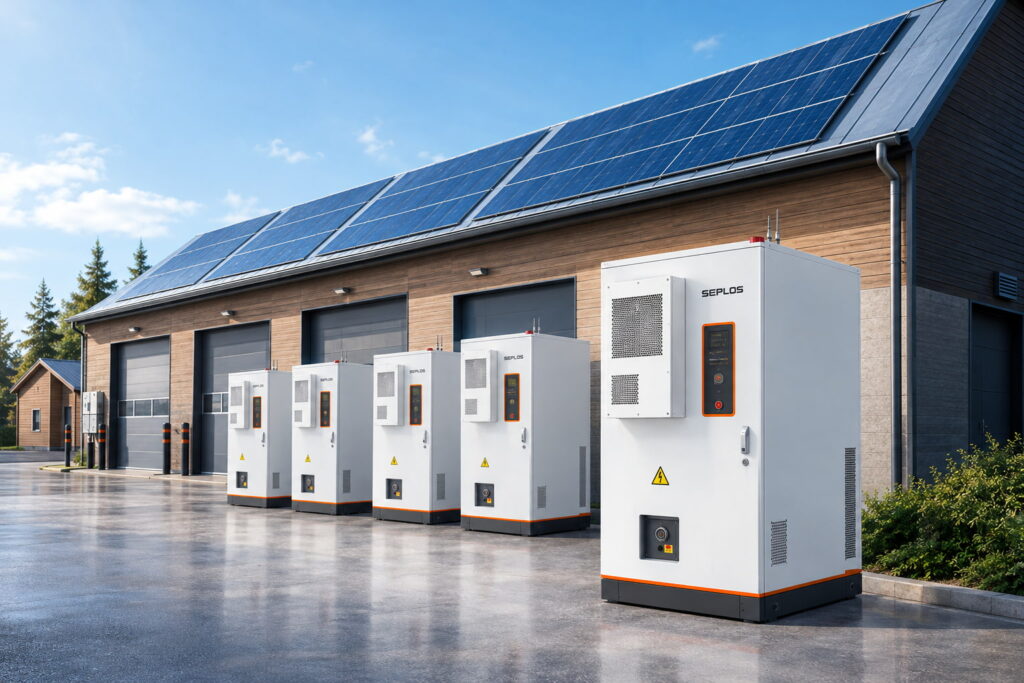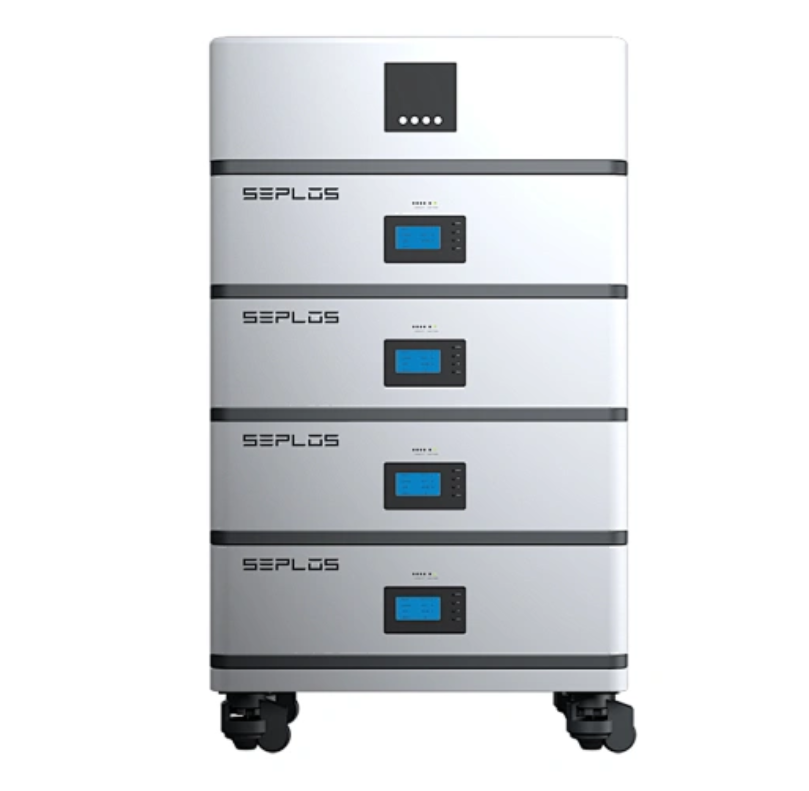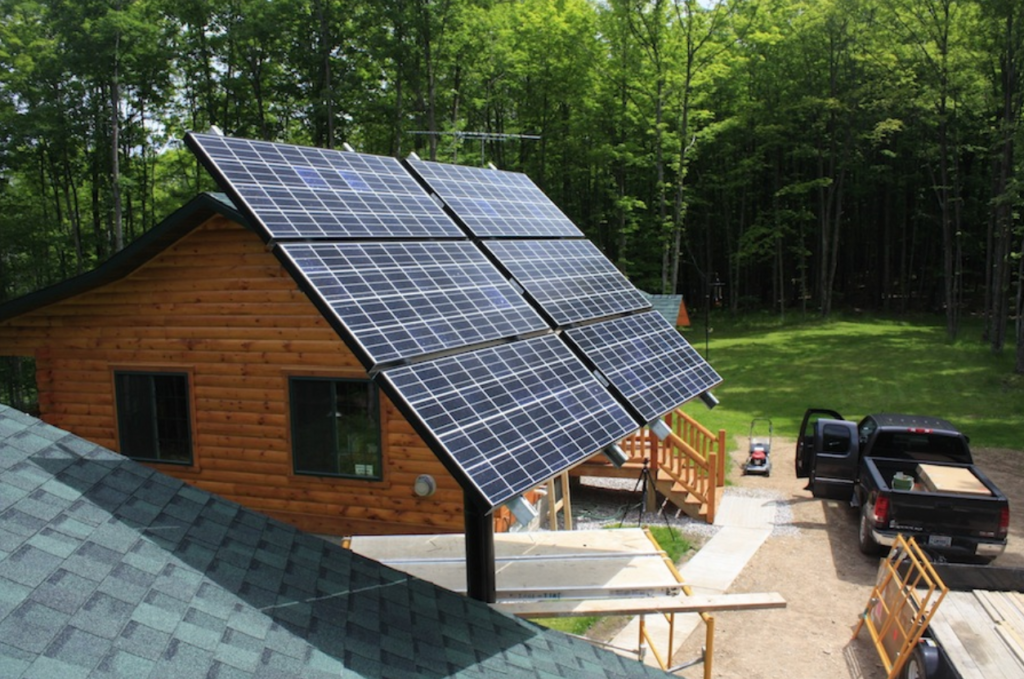
As homeowners increasingly turn to renewable energy sources, the demand for efficient home energy storage batteries has grown. These batteries allow homeowners to store excess energy generated from solar panels or wind turbines, providing a reliable power source during peak demand or outages. But with various options available, determining the best battery for home energy storage can be challenging.
For most modern residential systems, lithium iron phosphate batteries are generally considered one of the best battery options for home energy storage because they offer a strong balance of safety, cycle life, usable capacity, efficiency, and low maintenance requirements.
Quick answer: Lithium-ion batteries, especially LiFePO4 batteries, are usually the preferred choice for daily residential energy storage. Lead-acid batteries may still suit lower-budget or occasional backup applications, while alternative chemistries can be considered where environmental impact, installation conditions, or special system requirements are more important.
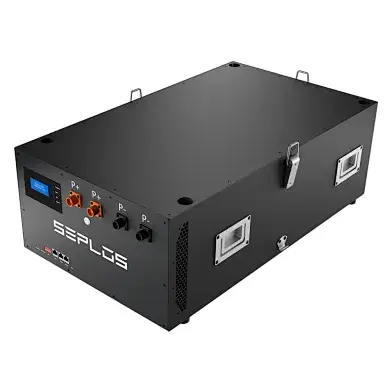
A household energy storage battery should be selected according to usable capacity, output power, expected cycle life, inverter compatibility, installation conditions, and backup power requirements.
Types of Home Energy Storage Batteries
When it comes to home energy storage batteries, several types stand out, each with unique advantages and disadvantages. The most common types include lithium-ion, lead-acid, and saltwater batteries.
The best batteries for home energy storage are not determined by chemistry alone. Homeowners should also compare usable depth of discharge, round-trip efficiency, warranty coverage, safety, maintenance, installation space, and total lifetime cost.
Lithium-Ion and LiFePO4 Batteries
Lithium-ion batteries are the most popular choice for home energy storage. Known for their high energy density, long lifespan, and minimal maintenance requirements, they can efficiently store large amounts of energy. These batteries are lightweight and can be installed in various locations, making them ideal for residential use.
Lithium-ion batteries are also commonly selected for efficient battery storage because they usually provide high round-trip efficiency, deeper usable discharge, and lower standby maintenance than traditional lead-acid systems.
Within the lithium-ion category, LiFePO4 batteries are widely used in home energy storage because of their thermal stability, long cycle life, and suitability for frequent charging and discharging. Actual performance still depends on cell quality, BMS design, inverter settings, and operating temperature.
Lead-Acid Batteries
Lead-acid batteries, while older technology, are still used in some home energy storage systems. They are generally less expensive than lithium-ion options but come with a shorter lifespan and lower energy density. These batteries require more maintenance and are bulkier, making them less attractive for modern home energy storage needs.
When comparing the best battery for long-term storage, homeowners should distinguish between a battery that remains unused for long periods and a battery that operates daily for many years. Self-discharge rate, storage temperature, maintenance requirements, calendar life, and the recommended storage state of charge all affect long-term performance.
Saltwater Batteries
Saltwater batteries are an emerging alternative that offers a more environmentally friendly option. They use saltwater as an electrolyte, making them non-toxic and safe. While their energy density is lower compared to lithium-ion batteries, they have the potential for longer lifespans and are less prone to thermal runaway, enhancing safety.
However, product availability, inverter compatibility, power output, installation size, warranty coverage, and replacement support should also be reviewed before choosing an alternative battery chemistry for residential use.
Factors to Consider When Choosing a Battery
Selecting the best home energy storage battery depends on several factors, including capacity, lifespan, cost, and installation requirements.
Battery Capacity and Power Output
Capacity is crucial as it indicates how much energy the battery can store. Homeowners should compare usable capacity rather than relying only on nominal capacity. Usable capacity reflects how much energy can actually be delivered after depth-of-discharge limits, reserve settings, and system protection requirements are considered. Homeowners should assess their energy consumption patterns to determine the ideal capacity. For instance, a larger household may require a higher capacity battery to meet its needs.
Capacity determines how long the battery can supply energy, while power output determines how many appliances can operate at the same time. Both continuous power and short-term peak power should be checked when selecting a system for backup use.
Homeowners should compare usable capacity rather than relying only on nominal capacity. Usable capacity reflects how much energy can actually be delivered after depth-of-discharge limits, reserve settings, and system protection requirements are considered.
Battery Lifespan and Long-Term Value
Lifespan is another essential consideration. Lithium-ion batteries typically last between 10 to 15 years, while lead-acid batteries may only last 3 to 5 years. Choosing a battery with a longer lifespan can lead to better long-term value.
Long-term value should be evaluated using expected cycle life, usable capacity, warranty conditions, degradation rate, replacement cost, and the number of kilowatt-hours the battery can deliver over its service life.
Battery Cost and System Efficiency
Cost is always a significant factor. While lithium-ion batteries may have a higher upfront cost, their efficiency and longevity often make them a more economical choice over time. Homeowners should also factor in installation costs and potential incentives, such as tax credits or rebates, when evaluating total expenses.
When comparing the most efficient battery storage options, review battery round-trip efficiency together with inverter efficiency, standby consumption, usable depth of discharge, and expected degradation. A high cell efficiency alone does not guarantee the highest complete-system efficiency.
Conclusion
In conclusion, the best home energy storage battery will depend on individual needs and circumstances. Lithium-ion batteries are generally the top choice for their efficiency, longevity, and versatility. However, options like lead-acid and saltwater batteries may be suitable for specific situations. By considering factors such as capacity, lifespan, and cost, homeowners can make informed decisions that enhance their energy independence and contribute to a sustainable future.
How to Choose the Best Battery for Home Energy Storage
Before choosing a home energy storage battery, compare:
- Battery chemistry
- Nominal and usable capacity
- Continuous and peak output power
- Round-trip efficiency
- Recommended depth of discharge
- Expected cycle life and degradation
- BMS and inverter compatibility
- Backup power capability
- Operating and storage temperature
- Installation space and system weight
- Product warranty and technical support
- Initial cost and lifetime ownership cost
- Future battery expansion options
For many homeowners, a LiFePO4 battery provides a practical balance of safety, efficiency, lifespan, and maintenance. The final choice should still match the household’s electricity consumption, solar generation, essential backup loads, installation environment, and budget.
FAQs About Home Energy Storage Batteries
For many residential systems, LiFePO4 batteries are a strong option because they offer long cycle life, good thermal stability, high usable capacity, low maintenance, and suitable efficiency. The best choice still depends on the household’s power, capacity, budget, and installation requirements.
Battery lifespan varies by chemistry, cell quality, depth of discharge, temperature, and usage pattern. LiFePO4 batteries generally provide longer cycle life than traditional lead-acid batteries in daily residential energy storage applications.
Lithium-ion batteries typically provide high round-trip efficiency, but overall system efficiency also depends on the inverter, BMS, standby consumption, operating temperature, and system configuration.
Lead-acid batteries may suit lower-budget or occasional backup applications. However, they usually have lower usable depth of discharge, shorter cycle life, greater maintenance requirements, and lower efficiency than modern lithium-ion systems.
Required capacity depends on daily electricity consumption, essential backup loads, solar generation, expected outage duration, and whether the system is intended for bill savings, backup power, or greater energy independence.
Compare usable capacity, power output, battery chemistry, efficiency, cycle life, depth of discharge, inverter compatibility, backup capability, temperature range, warranty, installation cost, and future expansion options.