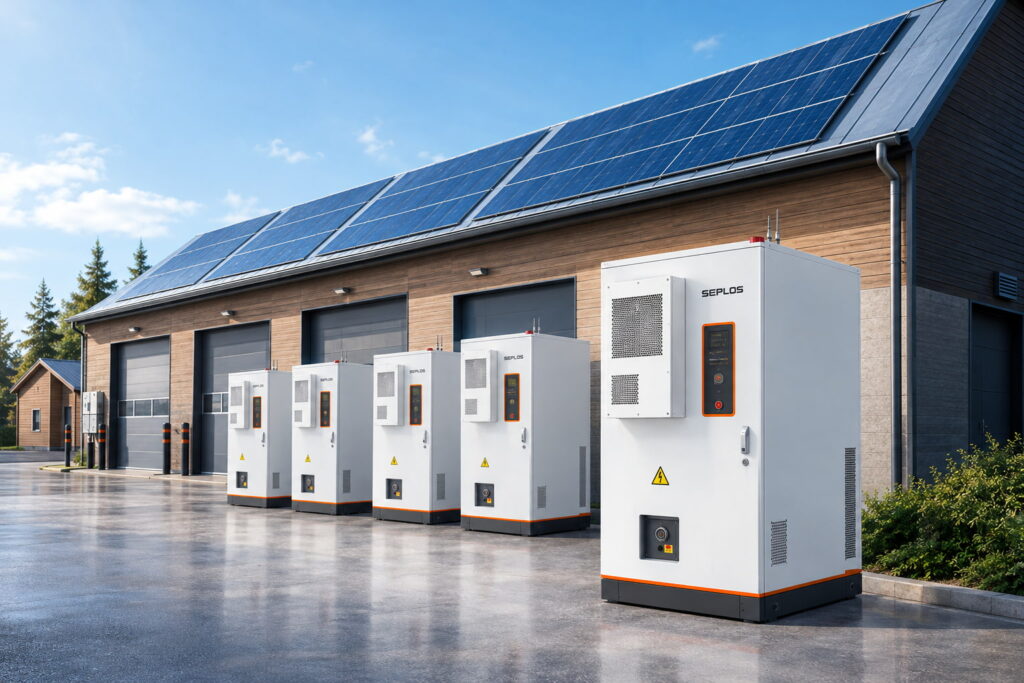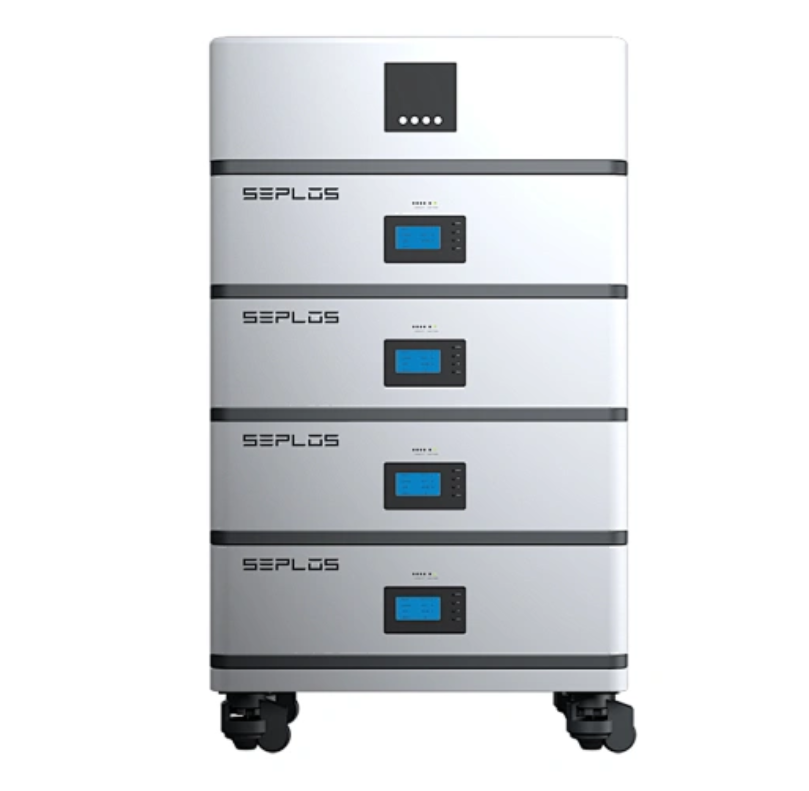


Commercial battery replacement should be considered when battery capacity, runtime, safety margin, cell consistency, maintenance cost or BMS health data no longer meets the needs of the energy storage system. For commercial and industrial sites, timely replacement or upgrade helps reduce downtime risk, improve backup readiness and maintain long-term system reliability.
Commercial batteries play a crucial role in commercial and industrial energy storage systems, ensuring businesses can store and manage energy efficiently. However, like all equipment, batteries degrade over time. Knowing when to replace or upgrade batteries can save businesses from costly disruptions and inefficiencies. This article explores key indicators for battery replacement and the benefits of timely upgrades.
Commercial Battery Replacement Warning Signs
| Warning Sign | What It May Indicate | Why It Matters |
|---|---|---|
| Reduced backup runtime | Capacity fade or battery aging | May affect outage protection |
| Frequent alarms | Abnormal voltage, temperature or system events | May increase operation risk |
| Cell imbalance | Uneven battery behavior across the pack or string | May reduce usable capacity and reliability |
| Higher maintenance cost | Aging components or recurring faults | May make upgrade more cost-effective |
| Lower SOH | Battery health is declining | Helps determine replacement timing |
| Incompatibility with new loads | System no longer meets site demand | May require capacity upgrade |
| Outdated monitoring or BMS | Limited visibility into battery health | May affect safety and O&M efficiency |
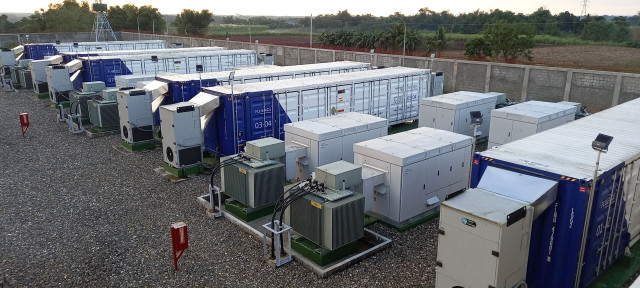
Key Indicators for Commercial Battery Replacement
According to the IEEE 450 guideline, when a battery string has 20% or more of its cells compromised, it is time to consider full replacement. At this point, the performance of the battery will likely be significantly affected, and the cost of repairs may not yield long-term benefits. Commercial and industrial energy storage systems depend on battery performance for uninterrupted power supply. When 20% of the cells are compromised, attempting to repair or replace individual cells may be inefficient and could result in inadequate performance over time. Full replacement ensures that the entire system is operating at optimal efficiency, offering a more reliable and cost-effective solution in the long run.
Battery Aging and Performance Changes Over Time
As lead-acid cells age, their float characteristics change. Float current typically increases over time, which can impact the overall performance of the battery. Older cells in a commercial and industrial energy storage system may not maintain the same voltage levels as new cells, leading to imbalances in the system. When new cells are introduced to replace aged ones, they may exhibit higher float voltages, further exacerbating these imbalances. This mismatch can lead to performance issues, as older cells may become undercharged while newer cells could be overcharged. Upgrading the battery bank ensures uniformity across all cells, preventing these issues and optimizing the system’s performance.
For lithium-based commercial energy storage systems, battery aging is usually evaluated through capacity retention, internal resistance, cycle count, temperature history, SOC behavior and BMS-recorded SOH data.
Risks of Undercharging, Overcharging and Poor Battery Management
Undercharging and overcharging can have serious repercussions on the lifespan and efficiency of battery cells. Commercial and industrial energy storage systems rely on maintaining proper polarization to ensure the battery performs efficiently. When cells are undercharged, they can sulfate, leading to short circuits and eventual failure. On the other hand, overcharged cells experience premature aging, with active materials degrading and excessive water loss. Both scenarios reduce the overall effectiveness of the energy storage system, leading to frequent maintenance and potentially costly repairs. Replacing or upgrading batteries at the appropriate time helps prevent these problems, ensuring that the energy storage system remains reliable and cost-efficient.
Why BMS and SOH Data Matter Before Battery Replacement
Before replacing or upgrading commercial batteries, buyers should review BMS data such as voltage consistency, temperature history, SOC behavior, SOH, cycle count, alarm records and charge/discharge performance. These indicators help determine whether the issue is caused by battery aging, system configuration, operating conditions or a real need for replacement. For C&I energy storage projects, BMS-based evaluation can support safer maintenance planning and more accurate upgrade decisions.
FAQ
A1: Commercial batteries should be considered for replacement when capacity, runtime, SOH, cell consistency, alarm history or maintenance cost no longer meets system requirements.
A2: Common signs include reduced backup runtime, frequent alarms, abnormal temperature, cell imbalance, lower usable capacity, higher maintenance needs and declining SOH.
A3: The decision depends on battery type, failure pattern, system age, replacement cost, safety risk, available test data and manufacturer recommendations.
A4: BMS data helps operators review voltage, temperature, SOC, SOH, cycle count, alarms and charge/discharge behavior before deciding whether replacement or upgrade is needed.
A5: An upgrade may be needed when the existing system no longer supports site load, backup duration, monitoring needs, safety requirements or future expansion plans.
Conclusion
Recognizing when commercial battery replacement or upgrade is needed is important for maintaining backup readiness, system safety, usable capacity and long-term reliability in commercial and industrial energy storage systems. By adhering to the 20% compromise rule, monitoring float characteristics, and understanding the risks of undercharging and overcharging, businesses can avoid costly downtime and ensure their energy storage systems continue to perform optimally.
Need Help Evaluating Commercial Battery Replacement?
Battery replacement decisions should be based on more than age alone. Capacity, backup runtime, SOH, alarm history, BMS protection, system load and expansion needs all affect whether a battery should be replaced or upgraded.
Seplos can help installers, distributors and project buyers evaluate commercial energy storage battery replacement, LFP battery upgrades and BMS-based system reliability for C&I applications.